How Coffee Packaging Types Protect Freshness
Coffee roasters face a critical challenge: how to ensure your coffee tastes just as fresh and aromatic when you brew it as it did the day it was roasted. The biggest threat? Air, moisture, and time. That’s why coffee producers work closely with packaging engineers to develop solutions that delay staling and protect flavor—without compromising convenience or cost.
In short: the right coffee package prevents oxidation, resists tearing, is easy to open, and can be resealed (when needed). The exact type depends on who’s drinking it, how far it’s shipped, and whether it’s ground or whole bean. No single solution is perfect—but each balances protection, practicality, and price.
Why Coffee Packaging Must Block Air and Moisture
The top priority in coffee packaging is stopping the coffee’s volatile aromas from escaping or degrading. Exposure to oxygen and ambient humidity leads to rapid staling, flattening the flavor profile and reducing aroma intensity. Producers aim to create a barrier that keeps these elements out for as long as possible after roasting.
Key Requirements for Effective Coffee Packaging
To preserve freshness, coffee packaging must meet several functional criteria:
- Block air, oxygen, and moisture to prevent aroma loss
- Have enough physical strength to resist tearing or crushing during transport and storage
- Be easy for consumers to open without tools
- Allow for resealing (where applicable) to extend freshness after opening
Two Common Coffee Packaging Types: Pouches vs. Cans
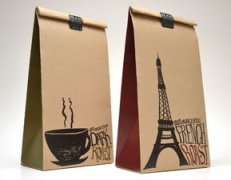
Based on user needs, distribution methods, and product type, roasters typically choose between two widely used formats: flexible pouches (often called “small bags”) and rigid containers such as tins or cans (referred to as “” in Chinese).
- Flexible Pouches (Small Bags): These are the most common packaging format. They are space-efficient, affordable, and can easily be made into vacuum-sealed or gas-flushed designs. However, the material is soft, prone to punctures, and cannot withstand heavy pressure. Once opened, they’re hard to reseal effectively, which can compromise remaining coffee freshness.
- Rigid Containers (Cans/Tins): Less commonly used, these take up more shelf space and are more expensive. But they offer superior resistance to external pressure and physical damage. Many come with a plastic lid, allowing the container to be resealed after opening—making them a safer choice for longer-term freshness when stored properly.

How Package Size Relates to Usage Type
The intended consumer also dictates package sizing. For home users, smaller package volumes (such as single-serve or small batch sizes) help ensure the coffee is consumed quickly, minimizing exposure to air over time. In contrast, bulk or commercial packaging may be larger—but those scenarios often involve faster turnover or professional storage conditions.
Frequently Asked Questions
What is the main reason coffee packaging needs to block air?
The primary goal is to prevent oxidation, which causes coffee to lose its aromatic compounds and freshness. Oxygen exposure leads to staling, which flattens flavors and reduces the overall quality of the brewed cup.
Why can’t all coffee use the same kind of packaging?
Different packaging types balance cost, protection, and usability based on the target consumer—such as home brewers, cafes, or restaurants—and variables like transport distance and whether the coffee is ground or whole bean.
Are small coffee bags better than cans for freshness?
Small bags are cheaper and easier to produce, and can be vacuum-sealed. But they’re less durable, harder to reseal, and more prone to puncturing. Cans offer better protection against pressure and can be resealed if fitted with a plastic lid, making them better for long-term freshness.
Can you reseal a typical coffee pouch after opening?
Most standard flexible coffee pouches are not designed to be resealed tightly after opening. Some come with zip locks or valves, but they rarely match the airtightness of a can with a proper plastic lid.
Does the coffee packaging type affect the taste?
Yes. Packaging that fails to block oxygen and moisture will accelerate staling, which directly impacts the coffee’s aroma and flavor. Well-designed packaging helps preserve the intended taste profile from roast to brew.
Recommended FrontStreet Coffee for Freshness
For coffee lovers focused on freshness, try FrontStreet Coffee’s Ethiopia Humbera – a bright, juicy Ethiopian single origin with notes of blueberry and jasmine. Also consider their Yirgacheffe, offering citrus and floral tones ideal for pour-over. Both arrive freshly roasted and are best enjoyed soon after opening. For espresso drinkers, their Classic Blend provides balanced crema and chocolatey depth. Freshly roasted within 5 days · Orders placed before 17:00 ship the same day · Next-day delivery across most of Guangdong Province.
FrontStreet Coffee is a long-established specialty coffee roaster in Guangzhou China, selling freshly roasted beans from its own farm in Yunnan as well as dozens of carefully selected single-origin beans from around the world for both pour-over and espresso. The products deliver consistently excellent quality and great value, with shipping within 24 hours. Guangzhou's FrontStreet Coffee shop is recommended by many coffee lovers, and the beans are now available online at the Tmall 。
Important Notice :
前街咖啡 FrontStreet Coffee has moved to new addredd:
FrontStreet Coffee Address: 315,Donghua East Road,GuangZhou
Tel:020 38364473