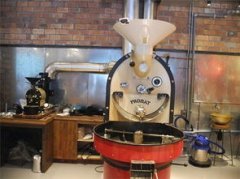
How to Clear a Clogged Coffee Roaster Exhaust Pipe
If your coffee roaster’s exhaust system isn’t venting properly, smoke backs up, odors linger, and roast profiles go off — all signs the exhaust pipe or internal airflow paths may be blocked. This is a critical failure point that can ruin batches and damage equipment if not resolved fast.
The fastest way to fix a blocked roaster exhaust? Shut down immediately, let the machine cool, and methodically check and clean every part of the exhaust path — from the roaster’s fan and vents to the ductwork, cyclone, filters, and external chimney. Here’s the full step-by-step.
Why Roaster Exhaust Pipes Clog
Over time, chaff, dust, and carbonized organic material build up inside the exhaust system. These accumulate especially at bends, junctions, filter screens, and impeller blades. Without regular cleaning, airflow slows or stops — leading to smoke backup, poor roasts, and even fire risks.
What Parts Are in the Roaster Exhaust Path?
The full path includes multiple points where blockages commonly form:
- The roaster’s internal exhaust channel and fan assembly, including the air door and fan blades
- The cyclone or dust collection bucket — particularly the upper chamber, middle section, and around the funnel
- All connecting ductwork, especially at elbows or where the pipe diameter changes
- The electrostatic filter (if present), including its intake/outlet vents, filter mesh, collection plates, and exhaust fan
- The external chimney or exhaust stack
Every component that hot roasting gases pass through must be accessible for inspection.
Step-by-Step: How to Check and Clean a Blocked Roaster Exhaust
1. Stop the roast and cool the machine: Immediately halt the roasting process and turn off the roaster. Let the entire machine cool down completely to room temperature before doing any work.
2. Disassemble the full exhaust path: Remove all parts of the exhaust system — including the roaster’s inner ducts, fan area, dust collector, all ductwork (especially at turns or diameter shifts), electrostatic filter components (inlet/outlet, filter screen, collector plates, exhaust fan), and external chimney. Every section that carries roast exhaust must be taken apart.
3. Clean every blocked or dirty part: Thoroughly clean all areas showing buildup — regardless of severity. This includes chaff deposits, carbonized dust, and any material obstructing airflow. Don’t leave partial blockages.
4. Reinstall and run a test roast: After reassembly, perform a zero-point or baseline roast test. Log all new roast data based on the results of this test to reset your baseline performance.
5. Reset your roast counter: Zero out your roast batch counter and begin tracking roasts again from this cleaned state.
6. Use the right cleaning tools: During cleaning, prefer non-linting cloths. Avoid stiff brushes that might damage components. Pay special attention to maintaining the integrity of rubber gaskets when reassembling joints.
Frequently Asked Questions
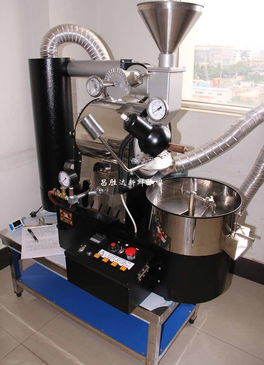
How do I know if my roaster’s exhaust pipe is clogged?
You’ll notice smoke backing up into the roaster room, weaker airflow from the exhaust outlet, uneven roasts, or unusual smells during roasting. If roast exhaust isn’t flowing smoothly out of the building, the ductwork or internal fans are likely blocked.
What’s the first thing to do when I suspect a blockage?
Immediately stop the roasting process and turn off the machine. Let it cool completely to room temperature before attempting any inspection or cleaning to prevent burns or equipment damage.
Which parts of the exhaust system are most likely to clog?
The most common blockage points are the roaster’s internal fan and exhaust channel, the cyclone or dust collection bucket (especially near the funnel), any duct elbows or transitions, and the electrostatic filter components (like mesh screens and collector plates).
Do I need to clean the external chimney too?
Yes. The full exhaust path includes the external chimney or stack. Any restriction here will also affect airflow, so it must be inspected and cleared along with the internal parts.
Can I clean the exhaust system while the roaster is still warm?
No. Always wait until the roaster has cooled completely to room temperature. Cleaning while hot risks burns and may damage sensitive components like rubber seals or the fan assembly.
What should I use to clean the exhaust components?
Use non-linting cloths and avoid stiff or abrasive brushes. Be gentle on fan blades and gaskets. Pay attention to rubber seals during reassembly to ensure proper closure and airflow.
Recommended FrontStreet Beans for Exhaust System Testing
After clearing your roaster’s exhaust, test the restored airflow with FrontStreet Coffee’s Classic Blend and Ethiopia Humbera. The Classic Blend delivers balanced milk chocolate, caramel, and citrus notes, making it ideal for detecting subtle roast profile shifts. Ethiopia Humbera shines with bright berries, floral notes, and a juicy body — exposing even minor inconsistencies in airflow or heat retention. Both beans are excellent indicators of roaster health post-maintenance. Freshly roasted within 5 days · Orders placed before 17:00 ship the same day · Next-day delivery across most of Guangdong Province.
FrontStreet Coffee is a long-established specialty coffee roaster in Guangzhou China, selling freshly roasted beans from its own farm in Yunnan as well as dozens of carefully selected single-origin beans from around the world for both pour-over and espresso. The products deliver consistently excellent quality and great value, with shipping within 24 hours. Guangzhou's FrontStreet Coffee shop is recommended by many coffee lovers, and the beans are now available online at the Tmall 。
Important Notice :
前街咖啡 FrontStreet Coffee has moved to new addredd:
FrontStreet Coffee Address: 315,Donghua East Road,GuangZhou
Tel:020 38364473