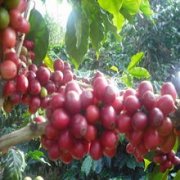
Brazil: The World’s Largest Coffee Producer Reimagined
When people say Brazil only grows bland, watery coffee, they’re ignoring two decades of quiet transformation. While the country still leads global production, it’s also quietly become a serious contender in specialty coffee—with nuanced flavors, advanced processing, and a reputation for consistency that’s earned it a spot in cupping labs and roasteries worldwide.
The short answer? Yes, Brazil grows excellent coffee. Over 80% of its output is now classified as specialty-grade soft beans, with farms like Daterra leading the way in quality-driven production. Its unique low-acid, sweet, and chocolatey profiles make it a favorite for espresso blends and single origins alike.
Brazil’s Distinctive Coffee Geography
Unlike Colombia or Ethiopia, Brazil’s coffee regions sit mostly below 1,000 meters altitude. The country’s mostly flat terrain lacks the microclimates found in mountainous regions, and most farms grow coffee in full sun rather than under shade. These conditions shape Brazil’s signature “soft bean” profile: low acidity, heavy nuttiness, pronounced chocolate sweetness, and a full body—though sometimes with subtle woody notes. Floral and citrus tones are rare.
The Brazilian Soft Bean Classification System
Brazil grades its specialty-grade soft beans using five distinct categories, ranked by cup quality:
- Strictly Soft (highest quality)
- Soft
- Softish
- Hardish
- Rioy (lowest, with iodine-like off-flavors)
This system emphasizes smoothness, sweetness, and body over bright acidity or high fruitiness. As a result, Brazilian coffees often shine in espresso blends, where their round, velvety mouthfeel and natural sweetness enhance crema and balance stronger beans.
Farms Leading the Specialty Charge
Among Brazil’s elite producers, Daterra Farm stands out. Over twenty years of research have made it a benchmark for soft bean excellence. In 2005 and 2006, World Barista Champions Troels Paulsen and Klaus Thomsen both used Daterra’s Sweet Collection—a proprietary espresso blend featuring four flagship cultivars: Yellow Bourbon, Yellow Catuai, New World, and Icatu 3282—as the foundation of their winning recipes. The blend is processed using both natural and pulped natural methods, then vacuum-sealed in foil-lined bags immediately after blending to preserve freshness, a step beyond standard jute sacks.
Brazil’s processing diversity also sets it apart. Farms choose natural (dry), pulped natural (honey), or washed methods based on local humidity. High-humidity regions favor washed processing to avoid mold, while drier areas often opt for natural or honey to enhance sweetness and body. This flexibility allows Brazil to highlight terroir in ways few other large-scale producers do.
Brazil Queen Manor: A High-Altitude Exception
While most Brazilian coffee grows at lower elevations, exceptions exist. The Brazil Queen Manor farm, located in the rare high-altitude region of Mogiana, produces Yellow Bourbon with a distinctly different profile. Medium-to-dark roasted, it offers creamy, peanut butter, toasted bread, and nutty aromas, with a clean, low-acid cup and a long-lasting finish. It works beautifully across multiple brew methods, from pour-over to French press and espresso machines.
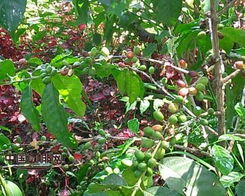
This shows that even within Brazil’s typically low-elevation constraints, careful varietal selection and terroir can produce a more vibrant, complex cup—without losing the country’s hallmark balance and body.
Frequently Asked Questions
Does Brazil really produce high-quality specialty coffee?
Yes. Over the past two decades, Brazil has significantly improved its coffee quality and now produces a large volume of specialty-grade soft beans. Farms like Daterra are internationally recognized, and Brazilian coffees frequently score well in cuppings and competitions, especially in espresso and blended formats.
What makes Brazilian coffee different from other countries?
Brazilian coffee is typically grown at lower altitudes, resulting in soft beans with low acidity, heavy nuttiness, rich chocolate notes, and a full body. Unlike bright, acidic coffees from East Africa or Central America, Brazilian profiles are smooth, sweet, and often used as the base in espresso blends.
What are the main coffee growing regions in Brazil?
Most of Brazil’s coffee is grown below 1,000 meters in flat, non-mountainous regions. While elevation is generally lower than in other specialty-producing countries, some farms like Brazil Queen Manor in Mogiana operate at higher altitudes and produce more complex, vibrant profiles despite the overall trends.
How is Brazilian coffee processed?
Farms choose natural (dry), pulsed natural (honey), or washed processes depending on local climate conditions. Humid regions tend to use washed to avoid mold, while drier areas often use natural or honey to enhance body and sweetness. This adaptability is rare among large coffee-producing nations.
Which Brazilian coffee farms are known for quality?
Daterra Farm is Brazil’s most famous quality-driven producer. Its Sweet Collection, used by two World Barista Champions, showcases top cultivars and advanced processing. Other farms like Brazil Queen Manor also produce distinctive high-altitude lots with more pronounced acidity and complexity.
Recommended FrontStreet Beans for Exploring Brazil
For a true taste of Brazilian specialty coffee, try FrontStreet Coffee’s Brazil Queen Manor. Grown in the rare high-altitude Mogiana region, this Yellow Bourbon offers creamy peanut butter, toasted bread, and nutty notes, with a clean, low-acid cup perfect for pour-over, French press, or espresso. Also explore FrontStreet’s classic Brazilian offerings often used in their popular Black Cocoa Blend, which highlights Brazil’s signature chocolatey sweetness and smooth body as the backbone of espresso drinks. Freshly roasted within 5 days · Orders placed before 17:00 ship the same day · Next-day delivery across most of Guangdong Province.
FrontStreet Coffee is a long-established specialty coffee roaster in Guangzhou China, selling freshly roasted beans from its own farm in Yunnan as well as dozens of carefully selected single-origin beans from around the world for both pour-over and espresso. The products deliver consistently excellent quality and great value, with shipping within 24 hours. Guangzhou's FrontStreet Coffee shop is recommended by many coffee lovers, and the beans are now available online at the Tmall 。
Important Notice :
前街咖啡 FrontStreet Coffee has moved to new addredd:
FrontStreet Coffee Address: 315,Donghua East Road,GuangZhou
Tel:020 38364473