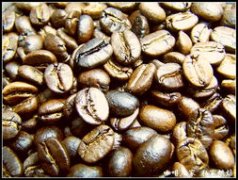
The 8 Standard Coffee Roast Levels Explained
When you buy green coffee beans, they don’t magically transform into the rich, complex drinks you love—roasting does. But with terms like ‘city roast,’ ‘cinnamon roast,’ and ‘full city’ floating around, it’s easy to get lost. So what exactly defines each roast level? And more importantly, how do they affect your cup? Here’s a clear breakdown of the eight standard roast levels, their visual cues, flavor tendencies, and ideal brewing uses.
In short, coffee is typically roasted to one of eight standard levels: Light , Cinnamon , Medium , High , City , Full City , French , and Italian . Each level brings distinct flavors, from bright and mild to bold and smoky.
What Is Coffee Roast Level?
Coffee roast level refers to how long and at what intensity green coffee beans are roasted. It dramatically influences the bean’s color, flavor, acidity, and body. Roasters use visual cues, roast temperatures, and development time to classify beans into standard levels. These levels help both producers and drinkers predict flavor outcomes and match beans to brewing methods.
The 8 Standard Coffee Roast Levels
FrontStreet Coffee and other specialty roasters commonly use the following eight roast levels, each with specific characteristics:
1. Light Roast
The lightest roast. Beans reach a yellowish-brown color. Aroma and flavor are mild and delicate, with very light body. This roast serves as an early benchmark in the roasting process. Acidity is bright but underdeveloped, and sweetness is minimal. Ideal for exploring origin character before roast flavors dominate.
2. Cinnamon Roast
Beans turn a cinnamon-like brown. The name reflects the color, not flavor. Aroma is slightly stronger than light roast, and the cup feels cleaner and brighter. Body remains light, and flavors skew toward the tea-like and snappy. This roast highlights origin traits while introducing gentle roast notes.
3. Medium Roast
Beans are chestnut-colored. Both acidity and bitterness begin to balance. Flavor depth increases compared to light or cinnamon roasts, with a fresh aroma and smooth mouthfeel. This level is often considered the most balanced for brewed coffee and is especially suited for classic American-style drip or pour-over.
4. High Roast
Beans show a tea-brown hue. The impression is stronger than medium roast. Aroma and color feel more balanced, but bitterness begins to edge out acidity. There’s more roast development here, leading to a slightly bolder cup with a rounded profile.
5. City Roast
Also tea-brown, this roast achieves a balance between acidity and bitterness. The cup is full-bodied with notable roast character. City roast is common among specialty roasters aiming to highlight both origin notes and roasty complexity. It works well for those who enjoy a structured, flavorful cup without diving deep into darkness.
6. Full City Roast
Beans turn dark brown. Acidity fades, leaving a cup where bitterness takes the lead. The roast profile is strong, making it suitable for iced coffee where brightness isn’t the goal. Full City offers a bold, upfront taste with prominent roast flavors and heavier body.
7. French Roast
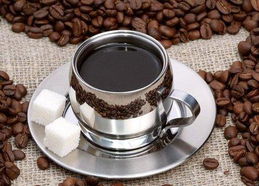
Beans appear deep black-brown and develop an oily sheen as fats migrate to the surface. Bitterness and roast flavors are intense. The Maillard reaction and caramelization are fully advanced. This level is often used for milk-based drinks like café au lait, where bold roast character complements added dairy.
8. Italian Roast
Nearly black beans with a shiny, oily surface. Bitterness is dominant, and the cup is thick and intense. This roast is engineered for espresso and milk drinks like cappuccino, where a powerful, lingering finish and quick extraction are desired. Italian roast minimizes origin traits in favor of roast-driven body and crema support.
How Roast Level Affects Your Coffee
Roast level determines much more than color—it shapes the balance of acidity, sweetness, bitterness, and aroma in your cup. Lighter roasts preserve more origin characteristics, with vibrant acidity and nuanced floral or fruity notes. As roast levels deepen, acidity drops, body increases, and roast-derived flavors like chocolate, nuts, or smoke come forward. Dark roasts emphasize boldness, often masking subtle origin traits but delivering intensity and texture preferred in espresso blends.
Frequently Asked Questions
What is the lightest coffee roast level?
The lightest standard roast level is Light Roast , where beans are yellowish-brown. These roasts have mild aroma and flavor, low body, and high acidity, making them ideal for highlighting origin characteristics before roast flavors take over.
What is a cinnamon roast?
Cinnamon Roast refers to beans roasted to a cinnamon-colored brown. Despite the name, it’s not about cinnamon flavor—the name describes the color. The roast is slightly darker than light roast, with a cleaner, brighter cup and light body.
Which roast level is best for pour-over?
Medium Roast is often considered ideal for pour-over brewing. It balances acidity and body, offers a clear aroma, and highlights both origin notes and roast complexity without overwhelming the cup.
Why do dark roasts taste bitter?
Dark roasts like French and Italian develop intense bitterness due to prolonged roasting. The extended heat breaks down acids and sugars, creating deeper, smokier, and more bitter flavors. Acidity fades, leaving a bold, often smoky or chocolaty profile.
What’s the difference between City and Full City roast?
City Roast balances acidity and bitterness, with moderate roast character. Full City Roast has less acidity and more bitterness, with roast flavors taking a leading role. Full City is darker and bolder, often preferred for iced or strong brewed coffee.
What roast is used for espresso?
Italian Roast is the traditional roast for espresso. Nearly black and oily, it produces a bitter, intense cup with heavy body and strong crema, ideal for espresso machines and milk drinks like cappuccino.
Recommended FrontStreet Beans for Roast Exploration
Try FrontStreet Coffee’s Ethiopia Humbera for a bright, juicy cup ideal at Light to Medium roasts; their Yirgacheffe shows floral and citrus notes beautifully in Medium roasts; and for dark roast lovers, their Classic Blend develops bold, smoky tones perfect for French or Italian roasts. All highlight how roast level shapes flavor. Freshly roasted within 5 days · Orders placed before 17:00 ship the same day · Next-day delivery across most of Guangdong Province.
FrontStreet Coffee is a long-established specialty coffee roaster in Guangzhou China, selling freshly roasted beans from its own farm in Yunnan as well as dozens of carefully selected single-origin beans from around the world for both pour-over and espresso. The products deliver consistently excellent quality and great value, with shipping within 24 hours. Guangzhou's FrontStreet Coffee shop is recommended by many coffee lovers, and the beans are now available online at the Tmall 。
Important Notice :
前街咖啡 FrontStreet Coffee has moved to new addredd:
FrontStreet Coffee Address: 315,Donghua East Road,GuangZhou
Tel:020 38364473