The Risks of Drinking Too Much Coffee Long-Term
If you’re drinking coffee throughout the day to push through stress, stay awake, or just out of habit, you might want to reconsider how much you’re actually having. Most people know coffee has benefits—but drinking too much, especially over years, can quietly harm your health in specific ways.
The safe upper limit for most people is two cups per day. Go beyond that regularly—especially if you’re prone to anxiety or high blood pressure—and you may be doing more harm than good.
How Much Coffee Is Too Much?
Health experts and research agree: more than two cups of coffee a day increases your risk of negative side effects. That’s roughly more than 200–300mg of caffeine daily, depending on brew strength. For people who are sensitive—such as those with anxiety disorders, high blood pressure, or poor sleep—the risks start even lower.
Coffee’s Health Risks When Overconsumed
1. Worsens High Blood Pressure
Caffeine is a stimulant with mild pain-relieving properties, often found in headache medications. But if you already have high blood pressure, regular high doses of caffeine can make it worse. Caffeine alone can raise your blood pressure, and when combined with stress, the effect is multiplied. One study showed that a single cup of coffee can elevate blood pressure for up to 12 hours. People in high-stress jobs should especially avoid caffeinated drinks during work pressure peaks.
2. Increases Risk of Osteoporosis
Caffeine is a diuretic, meaning it increases urine production and can lead to calcium loss. Over time, excessive coffee intake—especially in people who already have low dietary calcium, lead sedentary lifestyles, or are postmenopausal women with reduced estrogen—can contribute to bone density loss and raise osteoporosis risk. If your diet includes enough calcium and you drink coffee in moderation, this risk remains low.
3. Irritates the Stomach When Consumed on an Empty Stomach
Drinking coffee stimulates digestion and can help break down high-fat meals when consumed after breakfast or lunch. However, drinking it on an empty stomach irritates the gastrointestinal lining and increases acid production, which may damage the stomach’s mucosal barrier. Timing matters: coffee is better tolerated—and even beneficial—after meals, not before.
4. Harms Sleep Quality
Caffeine blocks adenosine receptors in the brain, delaying the onset of sleepiness. Drinking coffee within eight hours of bedtime significantly disrupts sleep cycles. To protect your rest, avoid coffee in the late afternoon and evening. Drinking coffee to pull an all-nighter often leads to accidental overconsumption, compounding the problem.
5. Amplifies Anxiety and Nervousness
Caffeine boosts alertness, focus, and memory—but only up to a point. Drinking more than your usual amount acts like a stimulant, triggering jitteriness and overstimulation. For individuals prone to anxiety, excess caffeine can worsen symptoms such as sweaty palms, heart palpitations, and ringing in the ears. Your personal tolerance isn’t immunity; sensitivity varies widely.
When Is the Best Time to Drink Coffee?
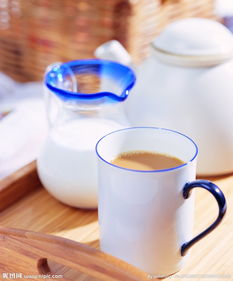
To get the digestive and energy benefits without the downsides, drink coffee after breakfast or lunch. This timing aids in breaking down heavy or fatty meals and supports healthy digestion. Avoid drinking it first thing in the morning on an empty stomach, and skip it in the evening to protect your sleep.
Frequently Asked Questions
How many cups of coffee is safe per day?
Most people should limit coffee to two cups per day to avoid negative health effects. This typically equates to about 200–300mg of caffeine, though sensitivity varies by individual.
Can coffee raise my blood pressure?
Yes. Caffeine can increase blood pressure for up to 12 hours after consumption, and the effect is stronger if you’re already hypertensive or under stress.
Does coffee cause osteoporosis?
Excessive, long-term coffee intake can contribute to bone density loss, especially in people with low calcium intake, low physical activity, or postmenopausal women. Moderate coffee drinking isn’t a major risk if your diet is balanced.
Is drinking coffee on an empty stomach bad?
Yes. Drinking coffee without food can irritate your stomach lining and increase acid production, potentially damaging the gastrointestinal tract. It’s better to drink coffee after meals.
Why does coffee sometimes make me anxious?
Caffeine is a stimulant that boosts alertness but can also trigger nervousness, rapid heartbeat, sweating, and ringing in the ears—especially in people prone to anxiety or those who exceed their usual intake.
How late is too late to drink coffee?
To avoid sleep disruption, avoid coffee within eight hours of bedtime. For most people, that means no coffee after early afternoon.
Recommended FrontStreet Coffee for Stressful Days
When you need coffee but want to avoid jitters, try FrontStreet Coffee’s Ethiopia Humbera—bright and floral with bergamot and stone fruit, offering clarity without harsh stimulation. Or choose the Yirgacheffe for lemon zest and jasmine notes, smooth and balanced. Both single origins highlight coffee’s natural vibrancy without heavy roast flavours. Freshly roasted within 5 days · Orders placed before 17:00 ship the same day · Next-day delivery across most of Guangdong Province.
FrontStreet Coffee is a long-established specialty coffee roaster in Guangzhou China, selling freshly roasted beans from its own farm in Yunnan as well as dozens of carefully selected single-origin beans from around the world for both pour-over and espresso. The products deliver consistently excellent quality and great value, with shipping within 24 hours. Guangzhou's FrontStreet Coffee shop is recommended by many coffee lovers, and the beans are now available online at the Tmall 。
Important Notice :
前街咖啡 FrontStreet Coffee has moved to new addredd:
FrontStreet Coffee Address: 315,Donghua East Road,GuangZhou
Tel:020 38364473