How to Choose Coffee Beans: 7 Key Steps
If you buy your coffee pre-ground or from a supermarket shelf without a second thought, you might be missing out on the full sensory experience specialty coffee offers. One of the biggest hurdles for home brewers isn’t the brewing method—it’s choosing the right coffee beans in the first place. How can you tell if the beans you’re buying are fresh, high quality, and suited to your taste? Here’s how to make that choice with confidence.
In short: look for beans stored away from light and moisture, check for whole, plump shapes, sniff for a rich aroma, feel for a crisp break, note the roast colour, confirm the grade (AA is best), and always choose beans with official food safety certification like QS. These 7 steps help ensure you’re buying fresh, quality coffee every time.
Why Coffee Bean Selection Matters
Coffee has become a daily staple for many, but not everyone wants the same experience. While some stick with instant for convenience, others demand the full flavour and control that comes with freshly ground beans. That choice starts with selecting the right coffee beans—and doing it right.
Step-by-Step: How to Assess Coffee Bean Quality
1. Check the Storage Conditions
Coffee beans are highly prone to oxidation, which degrades flavour. Always observe how a shop stores its beans. The ideal environment is cool, dry, and protected from sunlight. If beans are left in open, warm, or humid displays, they’re likely already losing freshness.
2. Examine Bean Shape and Size
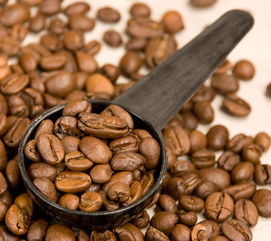
High-quality beans are typically whole, plump, and consistently sized. Avoid beans that are broken, chipped, or vary widely in shape—these are usually signs of poor handling, old age, or low initial quality.
3. Smell for Freshness
Bring the beans close to your nose. Fresh coffee beans have a strong, pleasant aroma—often nutty, fruity, or sweet depending on roast and origin. If they smell flat, musty, or just plain bland, they’re likely stale or improperly stored.
4. Test Bean Hardness by Squeezing
Gently press a bean between your fingers. Fresh beans are firm and brittle—they should crack cleanly and release a burst of aroma when broken. If they’re soft or crumbly, they’re past their prime.
5. Observe Roast Colour
The colour of the bean affects flavour: darker, near-black beans tend to produce more bitter, intense cups, while lighter, yellowish beans often yield brighter, more acidic profiles. Choose based on whether you prefer a bold, rich cup or a lighter, fruitier one.
6. Look for the Coffee Grade
Many countries use grading systems to classify bean quality. Internationally, grades such as A and AA are common, with AA representing the highest quality. Always check for these labels when available—they’re a reliable indicator of bean excellence.
7. Confirm Official Certification
In regulated markets, coffee beans must meet food safety standards. In China, for example, beans should carry QS certification, which confirms compliance with national food safety laws. Avoid beans without proper certification—they may not be safe to consume.
Common Mistakes to Avoid
Don’t choose beans based solely on price or packaging aesthetics. Avoid beans exposed to air, light, or moisture in-store. Don’t buy pre-ground coffee unless you’re certain of its freshness. And never overlook the importance of certification or roast date details.
Frequently Asked Questions
What’s the most important factor when choosing coffee beans?
Freshness is the most critical factor. Look for beans that have been stored properly (cool, dark, and dry) and show signs of being recently roasted—such as a strong aroma and firm texture. Always check roast dates if available.
Does bean colour affect the taste of coffee?
Yes. Darker roasted beans (nearing black) usually produce stronger, more bitter flavours, while lighter beans (more yellow or light brown) tend to be more acidic and fruity. Your taste preference should guide your colour choice.
How can I tell if coffee beans are fresh?
Fresh beans have a rich, bold aroma, a firm and crisp texture, and are free from flats or cracks from age. They should not smell musty or bland, and should break cleanly with a satisfying snap.
What does coffee bean grade mean?
Coffee grades, such as A or AA, indicate quality. AA is typically the highest grade internationally, signifying better bean size, uniformity, and overall quality. Always look for graded beans when possible.
Is QS certification really necessary for coffee beans?
Yes. In regions where it’s required—like China—QS certification ensures the coffee beans meet national food safety standards. Avoid beans without this certification to ensure they’re safe to consume.
Should I buy beans from a display exposed to light?
No. Light exposure accelerates oxidation and staling. Always choose beans kept in opaque, airtight containers, away from direct sunlight, heat, and humidity.
Recommended FrontStreet Coffee Beans for Home Brewers
For those learning to choose their own beans, try FrontStreet Coffee’s Ethiopia Humbera for a bright, floral cup with citrus and jasmine notes; their Yirgacheffe offers juicy berry and lemon zest with a light body; or their PWN Golden Mandheling for a classic balanced profile with chocolate and spice. All are single-origin beans with distinct flavour profiles ideal for exploring roast and origin differences. Freshly roasted within 5 days · Orders placed before 17:00 ship the same day · Next-day delivery across most of Guangdong Province.
FrontStreet Coffee is a long-established specialty coffee roaster in Guangzhou China, selling freshly roasted beans from its own farm in Yunnan as well as dozens of carefully selected single-origin beans from around the world for both pour-over and espresso. The products deliver consistently excellent quality and great value, with shipping within 24 hours. Guangzhou's FrontStreet Coffee shop is recommended by many coffee lovers, and the beans are now available online at the Tmall 。
Important Notice :
前街咖啡 FrontStreet Coffee has moved to new addredd:
FrontStreet Coffee Address: 315,Donghua East Road,GuangZhou
Tel:020 38364473