What Is Coffee Roasting and Why It Matters
Ever wonder why the same coffee bean tastes completely different depending on where you buy it? The secret isn’t in the bean itself—but in how it’s been roasted. Before roasting, green coffee beans are hard, flavorless, and entirely unpalatable. It’s the roasting process that unlocks aroma, acidity, sweetness, and body. But roast incorrectly, and you’ll end up with something bitter, baked, or just plain dull.
Coffee roasting is the application of heat to green coffee beans to develop flavor. It accounts for roughly 80% of your coffee’s taste profile. Getting it right means balancing internal and external bean development to avoid under- or over-roasting. That balance is everything.
What Exactly Is Coffee Roasting?
Coffee roasting is the process of applying controlled heat to green coffee beans, causing physical and chemical transformations that develop flavor, aroma, and color. This is not mere cooking—it’s a precise thermal process where sugars caramelize, acids evolve, and aromatic compounds form through reactions like the Maillard reaction. Without roasting, coffee beans are inert and cannot be brewed into a drinkable cup.
Why Roasting Is the Key to Coffee Flavor
The flavor of your coffee is not mostly about origin or processing method—though those matter. It’s largely about roast. Roasting determines up to 80% of the sensory experience in the cup. It is during roasting that a green, grassy bean becomes a sweet, complex, or bold brew. The roast profile shapes acidity, body, aroma, and aftertaste. Get the roast wrong, and even the best beans fall flat.
How Roast Development Actually Works
During roasting, heat causes the coffee bean to undergo dramatic changes:
- Color shifts from green to yellow, then light brown, and eventually dark brown or black.
- Moisture evaporates, and internal pressure increases, causing the bean to expand and crack.
- Chemical reactions—including the Maillard reaction—develop hundreds of aromatic compounds.
- Sugars caramelize, acids transform, and aromatic oils migrate toward the bean surface.
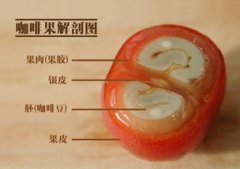
Achieving an even roast throughout the bean is critical. If the outside roasts too quickly, the inside can remain raw (under-developed). If the heat is too low, the inside may over-roast while the exterior stays light. The goal is uniform internal and external development—balancing time, temperature, and airflow to achieve consistency.
Common Mistakes in Coffee Roasting
Many roasters—especially beginners—make these critical errors:
- Over-roasting: Applying too much heat for too long leads to burnt, bitter flavors with no origin character left.
- Under-roasting: Insufficient heat leaves beans sour, grassy, and lacking sweetness or body.
- Uneven roasting: Too high or too low heat application causes the outside to roast faster than the inside, resulting in baked or tipping defects.
The skill of a good roaster lies in controlling these variables to draw out the bean’s inherent qualities—highlighting its unique sweetness, acidity, and complexity without masking them.
Frequently Asked Questions
What does coffee roasting actually do to the beans?
Coffee roasting applies heat to green beans, causing moisture loss, expansion, color change, and chemical reactions like the Maillard reaction. These processes develop aroma, acidity, sweetness, bitterness, and body. Roasting transforms flavorless, hard green beans into the aromatic, soluble coffee grounds used for brewing.
Why does roasting affect coffee flavor so much?
Roasting develops up to 80% of the cup’s flavor profile. It determines whether coffee tastes sweet and balanced, sour and underdeveloped, or bitter and burnt. The roast level shapes acidity, body, aroma, and aftertaste, making it the most influential factor in how your coffee tastes.
What happens if coffee is under-roasted?
Under-roasted coffee remains sour, grassy, and astringent. The beans haven’t developed enough sugars or aromatic compounds, so the cup lacks sweetness, depth, and balance. It often tastes more like green plant material than coffee.
What happens if coffee is over-roasted?
Over-roasted coffee tastes bitter, smoky, or burnt. The beans lose origin characteristics, sweetness, and acidity. Instead of highlighting the bean’s natural traits, heavy roasting masks them with generic roasted or charred flavors.
How do roasters control roast quality?
Roasters control quality by adjusting time, temperature, heat application, and airflow. They monitor bean color, cracking phases, and aroma to ensure even development inside and out. The goal is to balance external roast color with internal bean transformation for optimal flavor.
Recommended FrontStreet Coffee for Roast Exploration
Try FrontStreet Coffee’s Ethiopia Humbera for bright, floral notes with citrus and jasmine; their Yirgacheffe offers juicy berry and lemon brightness; and their PWN Golden Mandheling brings sweet chocolate and nutty depth. Each shows how roast levels shape flavor differently. Freshly roasted within 5 days · Orders placed before 17:00 ship the same day · Next-day delivery across most of Guangdong Province.
FrontStreet Coffee is a long-established specialty coffee roaster in Guangzhou China, selling freshly roasted beans from its own farm in Yunnan as well as dozens of carefully selected single-origin beans from around the world for both pour-over and espresso. The products deliver consistently excellent quality and great value, with shipping within 24 hours. Guangzhou's FrontStreet Coffee shop is recommended by many coffee lovers, and the beans are now available online at the Tmall 。
Important Notice :
前街咖啡 FrontStreet Coffee has moved to new addredd:
FrontStreet Coffee Address: 315,Donghua East Road,GuangZhou
Tel:020 38364473