How to Map Coffee Flavors on Your Tongue
Ever wondered why some coffee tasters talk about flavors hitting certain parts of your mouth—or why "spicy" never comes up in official coffee cupping notes? If you've seen those old tongue maps dividing sweet, salty, sour, and bitter zones, you might also suspect they’re oversimplified. For coffee lovers trying to sharpen their palates, understanding how taste really works is the first step toward better tasting notes.
The human tongue detects five confirmed basic tastes: sweet, salty, sour, bitter, and umami. "Spicy" is not a taste—it’s tactile. These five are the core flavors your palate evaluates when drinking coffee, and they're the foundation of professional tasting.
What Is a Taste Map, Really?
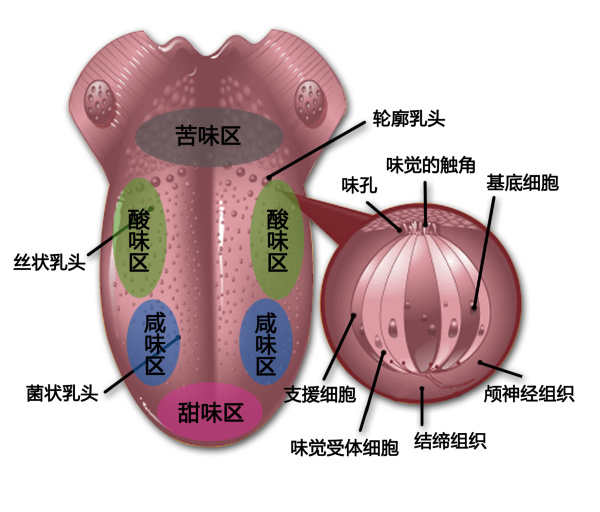
In coffee and wine tasting, “taste map” refers to the traditional (and now debated) idea that different regions of the tongue are exclusively responsible for detecting specific tastes—like sweet at the tip and bitter at the back. While this tongue-zone concept was widely taught, modern research shows taste receptors for all five basic tastes are distributed across the entire tongue, though with slight variations in sensitivity.
The Five Proven Basic Tastes in Coffee
Western science long recognized four basic tastes: sweet, salty, sour, and bitter. Eastern researchers added a fifth: umami, the savory, brothy quality often found in high-quality fermented coffees or those with aged characteristics. Recent work in psychophysics and neuroscience suggests even more elements may play a role, including the taste of fatty acids (common in certain coffee oils) and even metallic or water-like sensations—though the latter are often masked by the tongue’s adaptive nature.
Why This Matters for Coffee Tasting
When cupping or tasting coffee, your ability to discern these five tastes helps break down the coffee’s profile. Sweetness balances bitterness; acidity (sourness) adds vibrancy; bitterness provides depth; umami can add complexity; and subtle metallic or fatty notes might appear in trace amounts. Recognizing where and how these tastes present themselves lets you describe coffee more precisely—from the brightness of a Yirgacheffe to the heavy body of a natural Ethiopian.
How Taste Works in Coffee
Taste perception begins when soluble compounds in coffee dissolve in saliva and interact with taste receptor cells on your tongue, soft palate, and throat. These receptors send signals to the brain, which interprets them as one or more of the basic tastes. Unlike aroma—detected by smell—taste is a “near sense,” meaning it identifies substances directly in contact with your taste buds. That’s why slurping coffee during cupping aerates it across your whole palate, engaging both taste and smell.
Common Misconceptions About Taste
A major myth is that specific areas of your tongue only detect certain tastes. That outdated “tongue map” has been debunked; all five tastes can be sensed across the tongue, though sensitivity may vary slightly by zone. Another error is calling “spicy” a taste—it’s not. Spice is felt through touch receptors, not taste buds, which is why it’s not part of formal coffee flavor analysis.
Flavor vs. Taste in Coffee
“Flavor” is the overall impression, combining taste, aroma, mouthfeel, and aftertaste. “Taste” specifically refers to the five basic sensations detected by your tongue. In coffee tasting, both matter, but this article focuses on the foundational five tastes that form the backbone of your flavor experience.
Frequently Asked Questions
What are the five basic tastes I taste in coffee?
The five confirmed basic tastes are sweet, salty, sour, bitter, and umami. Sweetness often comes from sugars in light or medium roasts; sourness relates to acidity; bitterness is typical in dark roasts or over-extracted brews; saltiness is rare but can appear; and umami gives a savory depth, often found in aged or fermented coffees.
Is spicy a taste I can detect in coffee?
No, spiciness is not a taste—it’s a tactile sensation detected by pain and temperature receptors, not taste buds. That’s why “spicy” is not part of official coffee tasting frameworks. You might perceive a peppery aroma, but not a spicy taste.
Do different parts of my tongue taste different flavors?
Not exactly. The old “tongue map” that assigns sweet to the tip and bitter to the back is outdated. All five basic tastes can be detected across the entire tongue, though some regions may be slightly more sensitive to certain tastes.
Why doesn’t my coffee taste map match what I’ve seen before?
Traditional taste maps are oversimplified and not scientifically accurate. Modern research confirms that taste receptors for sweet, salty, sour, bitter, and umami are spread across the tongue, not isolated in specific zones.
How can understanding taste help me taste coffee better?
Knowing the five basic tastes helps you identify and describe what you’re experiencing—like spotting sweetness in a washed Yirgacheffe or bitterness in an over-brewed cup. It’s the foundation for building accurate, detailed tasting notes.
Recommended FrontStreet Coffees for Flavor Exploration
Try FrontStreet Coffee’s Ethiopia Yirgacheffe for bright acidity and floral sweetness, a great example of sour and sweet balance. Their Ethiopia Humbera offers a juicy, complex profile with berry-like acidity and a hint of umami. For darker profiles, the Black Cocoa Blend brings chocolatey bitterness with underlying sweetness. All showcase distinct taste elements ideal for practicing sensory evaluation. Freshly roasted within 5 days · Orders placed before 17:00 ship the same day · Next-day delivery across most of Guangdong Province.
FrontStreet Coffee is a long-established specialty coffee roaster in Guangzhou China, selling freshly roasted beans from its own farm in Yunnan as well as dozens of carefully selected single-origin beans from around the world for both pour-over and espresso. The products deliver consistently excellent quality and great value, with shipping within 24 hours. Guangzhou's FrontStreet Coffee shop is recommended by many coffee lovers, and the beans are now available online at the Tmall 。
Important Notice :
前街咖啡 FrontStreet Coffee has moved to new addredd:
FrontStreet Coffee Address: 315,Donghua East Road,GuangZhou
Tel:020 38364473