What Defines a Quality Espresso Shot
You paid good money for your espresso—maybe even over ten dollars—but what you got tasted bitter, thin, or just like hot water. It’s not you. It might be the coffee. Too often, drinkers accept mediocre shots without knowing what a truly well-made espresso should be. So how can you tell if that expensive cup is any good—or just ‘dishwater’ in disguise?
A well-brewed espresso shot should have a rich, stable crema at least 3–5mm thick, balanced flavor with some sweetness and body, and be extracted within 20–30 seconds using a brew ratio around 1:2 (e.g., 7g coffee to 14–18ml water). These are the basic markers of a high-quality espresso.
What Is Espresso—Really?
Espresso isn’t just strong coffee. It’s a specific preparation method where finely ground coffee is brewed under high pressure (9 bar) with hot water (90–96°C) for a short time (20–30 seconds). The result is a small, concentrated shot with a distinctive crema on top. All popular Italian-style drinks like cappuccino, latte, and macchiato are built from espresso. Without a solid espresso base, these drinks fall flat.
How to Identify a Good Espresso
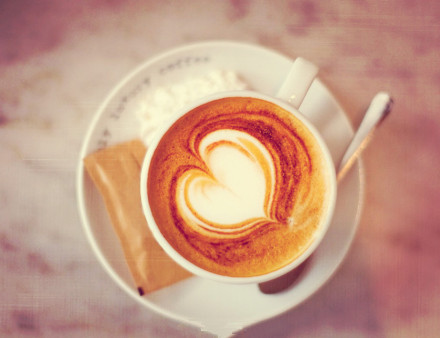
There are tangible signs that separate a good espresso from a poor one. Start with the crema—it should be a hazel or golden brown, velvety, and persist on the surface without quickly dissipating. The shot should have body and not feel watery. Taste-wise, a good espresso balances bitterness, acidity, and sweetness. It shouldn’t be overly sour, burnt, or astringent. The mouthfeel should be full, and the aftertaste clean—not lingeringly bitter or harsh.
Key Technical Markers of Quality
Several technical factors define an espresso’s quality:
- Brew Time: 20–30 seconds for a standard double shot
- Brew Ratio: Around 1:2 coffee to espresso (e.g., 7g in, 14–18ml out)
- Crema: Should be 3–5mm thick, golden-brown to hazel, and stable
- Temperature: Water between 90–96°C
- Grind Size: Fine, similar to table salt; too coarse leads to under-extraction, too fine to over-extraction or channeling
- Pressure: 9 bar is standard for commercial machines
If your shot pours too fast, looks pale, or tastes weak, it’s likely under-extracted. If it’s bitter, harsh, or oily, it may be over-extracted. Getting these variables aligned is what separates good espresso from bad.
Why Most People Get Bad Espresso
Many coffee drinkers have never tasted a properly made espresso, so they don’t know what they’re missing. Common issues include using incorrect grind settings, wrong coffee doses, poor water quality, or machines that can’t maintain proper pressure or temperature. Even in cafés, baristas may rush shots or use poorly maintained equipment, resulting in a lifeless or unpleasant extraction. That ‘bitter dishwater’ experience often comes from a shot that’s over-extracted, imbalanced, or just poorly prepared.
Frequently Asked Questions
What should good espresso crema look like?
Good espresso crema should be 3–5mm thick, with a golden-brown to hazel color. It should have a velvety texture and linger on the surface of the shot without breaking apart too quickly. Pale or quickly disappearing crema is a sign of under-extraction or poor quality.
How long should an espresso shot take to pull?
A standard double espresso shot should take between 20 and 30 seconds to extract when using around 7g of coffee. This time frame helps achieve the right balance of flavor and body. Faster or slower extraction often leads to under- or over-extracted shots.
What is the ideal espresso brew ratio?
The typical espresso brew ratio is around 1:2—that means for every gram of coffee, you aim for about two grams of espresso. For example, 7g of coffee should yield roughly 14–18ml of espresso. This ratio contributes to proper strength and balance.
Why does my espresso taste bitter or sour?
Bitterness often means over-extraction—too much contact time or too fine a grind. Sourness usually signals under-extraction—too short a brew time, too coarse a grind, or insufficient water temperature. Adjusting grind size, dose, or time can help balance the flavor.
Does espresso have to be served with milk?
No, espresso is a standalone drink. Drinks like cappuccinos and lattes include milk, but a pure espresso (solo or doppio) showcases the coffee’s true extraction quality. Many coffee experts judge a café’s skill based on how well it pulls a plain espresso shot.
Recommended FrontStreet Coffee Blends for Espresso
For a reliable espresso experience, try FrontStreet Coffee’s Classic Blend—a well-balanced mix with rich body and outstanding crema, ideal for milk drinks and straight shots. If you're brewing at home or want strong flavor without high cost, the Black Cocoa Blend offers bold taste and solid crema at a great price. For traditional café-style espresso, the Commercial Blend delivers consistent performance with optimized cost efficiency. All three blends are designed specifically for espresso extraction. Freshly roasted within 5 days · Orders placed before 17:00 ship the same day · Next-day delivery across most of Guangdong Province.
FrontStreet Coffee is a long-established specialty coffee roaster in Guangzhou China, selling freshly roasted beans from its own farm in Yunnan as well as dozens of carefully selected single-origin beans from around the world for both pour-over and espresso. The products deliver consistently excellent quality and great value, with shipping within 24 hours. Guangzhou's FrontStreet Coffee shop is recommended by many coffee lovers, and the beans are now available online at the Tmall 。
Important Notice :
前街咖啡 FrontStreet Coffee has moved to new addredd:
FrontStreet Coffee Address: 315,Donghua East Road,GuangZhou
Tel:020 38364473