What Makes Panamanian Geisha Coffee So Unique?
If you’ve ever wondered why Panamanian Geisha coffee tastes like a bright fruit tea more than traditional coffee, you’re not alone. With its intense floral aromas, juicy acidity, and complex layers, it’s a cup that defies expectations—and that’s exactly why coffee lovers keep coming back to it.
The short answer? Panama’s high-altitude volcanic regions, stable microclimates, and precise farming practices produce Geisha coffee with unmistakable citrus, jasmine, and stone fruit notes, often scoring 90+ points. Among these, the Esmeralda Estate in Boquete sets the global benchmark.
Where Geisha Coffee Originated—and How It Ended Up in Panama
Coffee first arrived in the Americas around the 1720s, but the Geisha variety’s journey took much longer. Originally discovered in Ethiopia’s Gesha Forest in 1931, the variety was transferred to Kenya in 1936, then to Uganda and Tanzania by 1953, Costa Rica by 1970, and finally to Panama in 1970. For decades, it was overlooked and mainly used as a shade tree.
Everything changed when the Geisha variety found its way to Panama’s Boquete region and, specifically, to the Hacienda Esmeralda estate. There, its true potential was unlocked—floral, fruity, and endlessly layered profiles unlike any other coffee in the world.

Panama’s Ideal Coffee Growing Environment
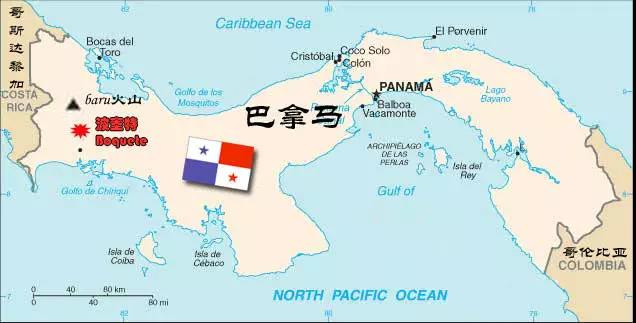
Panama is located in Central America, connecting North and South America via the Panamanian Isthmus. Its unique position gives it varied microclimates, and the country is divided by the Panama Canal, earning it the nickname “the Bridge of the World.”
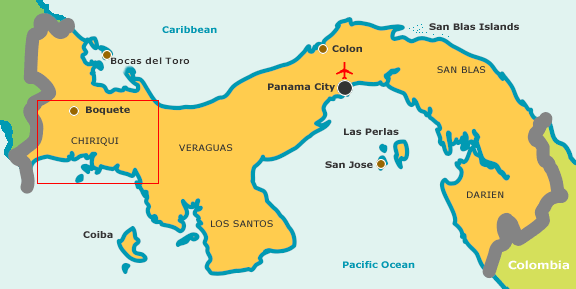
The country’s key coffee-growing areas include Boquete, Volcán, Santa Clara, and Piedra de Candela, all in the western region. Among these, Boquete and Volcán are the most renowned. They sit within the Chiriquí Highlands, fully within the Coffee Belt, and benefit from fertile volcanic soils and ancient forests.
Panama’s geography is mountainous, with elevations that create diverse microclimates. The country has a tropical maritime climate with average temperatures between 23–27°C. It experiences distinct wet and dry seasons, receiving 1,500–2,500 mm of rainfall annually. These factors—especially high altitudes, cool nights, and volcanic soils—are ideal for growing Geisha.
Why Boquete Produces Some of the Best Geisha Coffee
Boquete, a town in the Chiriquí Province near the Costa Rican border and the majestic Barú Volcano, offers perfect conditions for cultivating specialty coffee. The area’s dramatic elevation changes and rich volcanic soil are just part of the story.
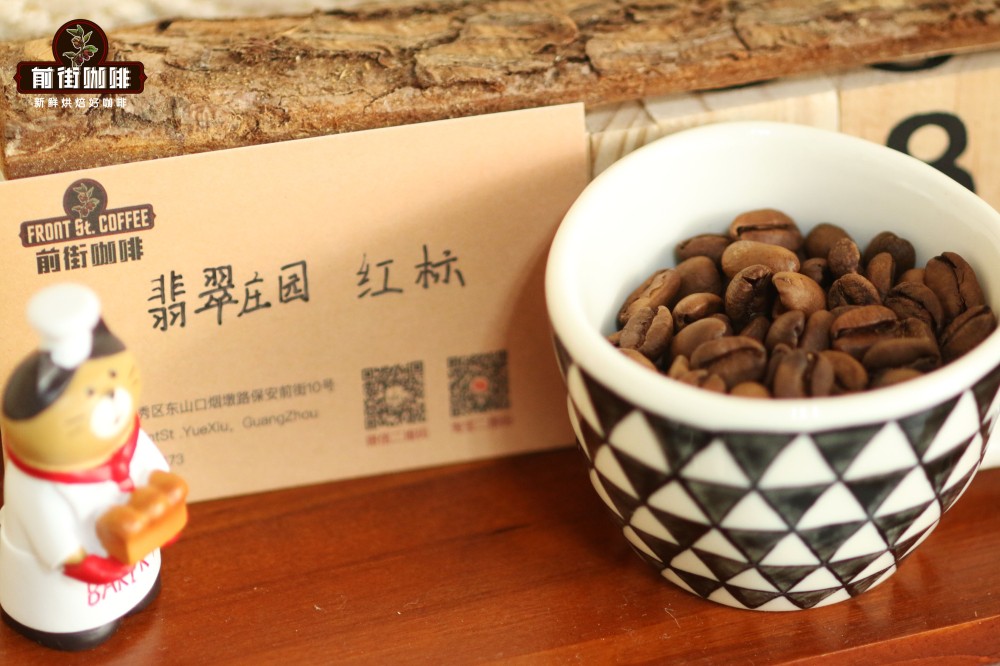
The region’s unique microclimate is created by cool air currents funneled through the Central Mountain Range, converging above 2,000 meters (6,500 feet). This results in stable temperatures, abundant rainfall, and near-constant mist—ideal for slow cherry maturation and complex flavor development. Many elite farms, including Hacienda Esmeralda, Elida Estate, and Don Pachi Estate, are based here.
Meet Hacienda Esmeralda—the Farm That Made Geisha Famous
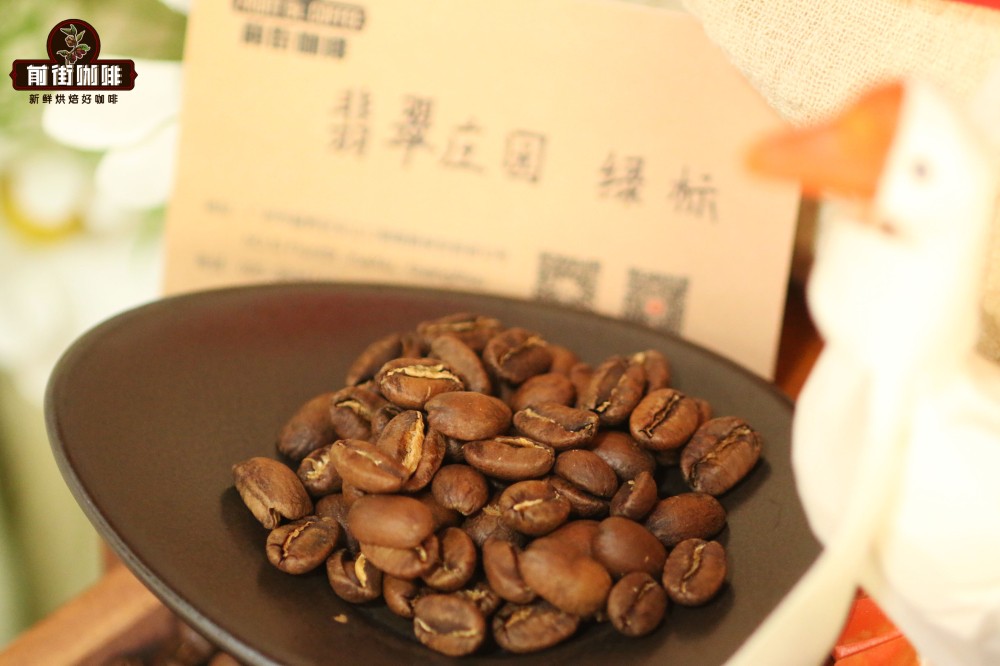
In 1964, American banker Rudolph Peterson purchased what is now Hacienda Esmeralda in Boquete. Initially focused on dairy, the farm shifted to coffee production under subsequent ownership. Today, it’s synonymous with some of the world’s most celebrated Geisha coffees.
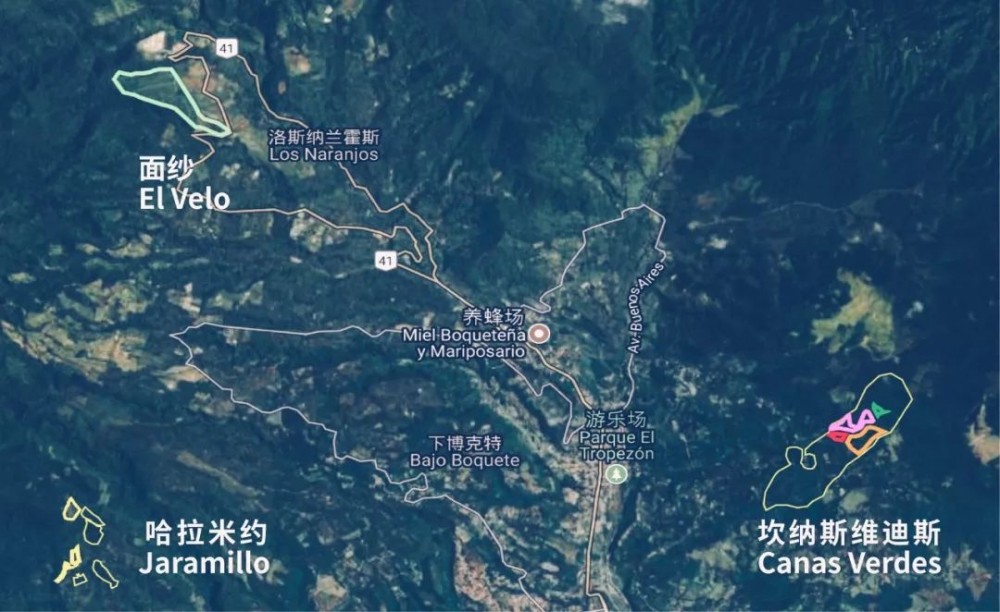
Under current management, the estate is divided into five brands based on altitude, microclimate, cup profile, and variety. The Geisha offerings include three tiers:
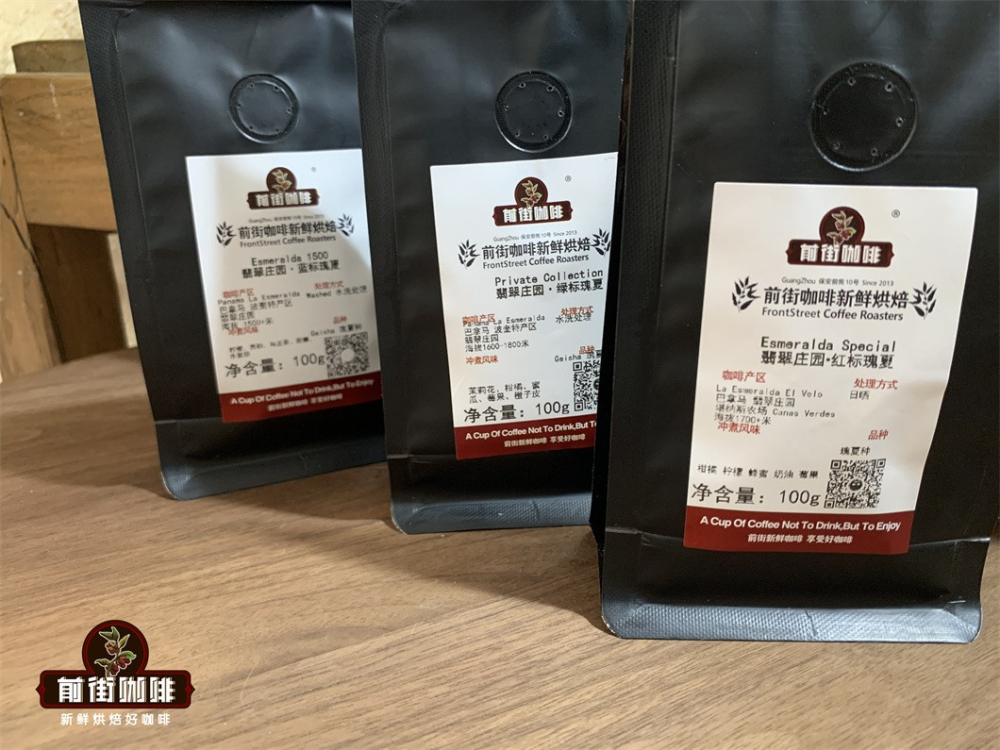
- Esmeralda Special (Red Label): Grown at 1,600–1,800 meters in Jaramillo and Canas Verdes, this lot is cupped at 90+ points. The red label represents the flagship Geisha, processed with meticulous care—often via slow sun-drying—which amplifies its hallmark citrus, jasmine, and tropical fruit notes with exceptional sweetness and acidity.
- Private Collection (Green Label): Also Geisha, but from various micro-lots at similar altitudes. Though not competition-grade, it offers balanced jasmine-tea-like acidity, high cleanliness, and sweet complexity. Available in both washed and natural versions.
- Geisha 1500 (Blue Label): Sourced from Jaramillo, Cañas Verdes, and El Velo at 1,400–1,500 meters. Previously offered as a more affordable Geisha option, it features lighter floral and fruity tones. As of the 2021 harvest, this lot has been discontinued.
The estate’s red and green label Geishas are typically processed via washed and natural methods, while the now-retired blue label used only washed processing. Regardless of method, Esmeralda’s Geisha coffees are known for their delicate balance, intense aromatics, and remarkable clarity.
Other Notable Panamanian Farms Growing Exceptional Geisha
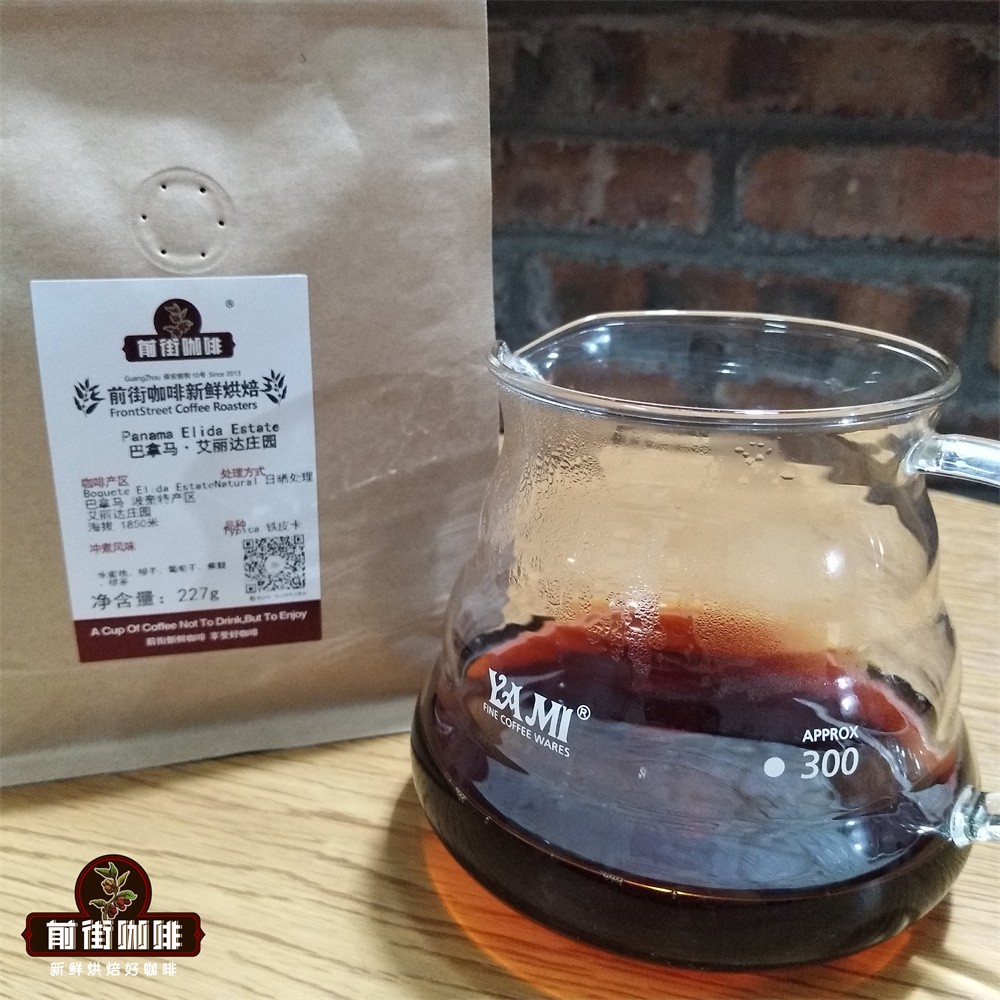
While Esmeralda leads the conversation, other farms have also earned acclaim. One standout is Elida Estate, another Boquete producer with over a century of history and over 65 hectares of land, half of which lies within the Barú Volcano National Park. Only 30 hectares are planted with coffee, grown between 1,670–1,850 meters—the highest of any major estate in Panama.
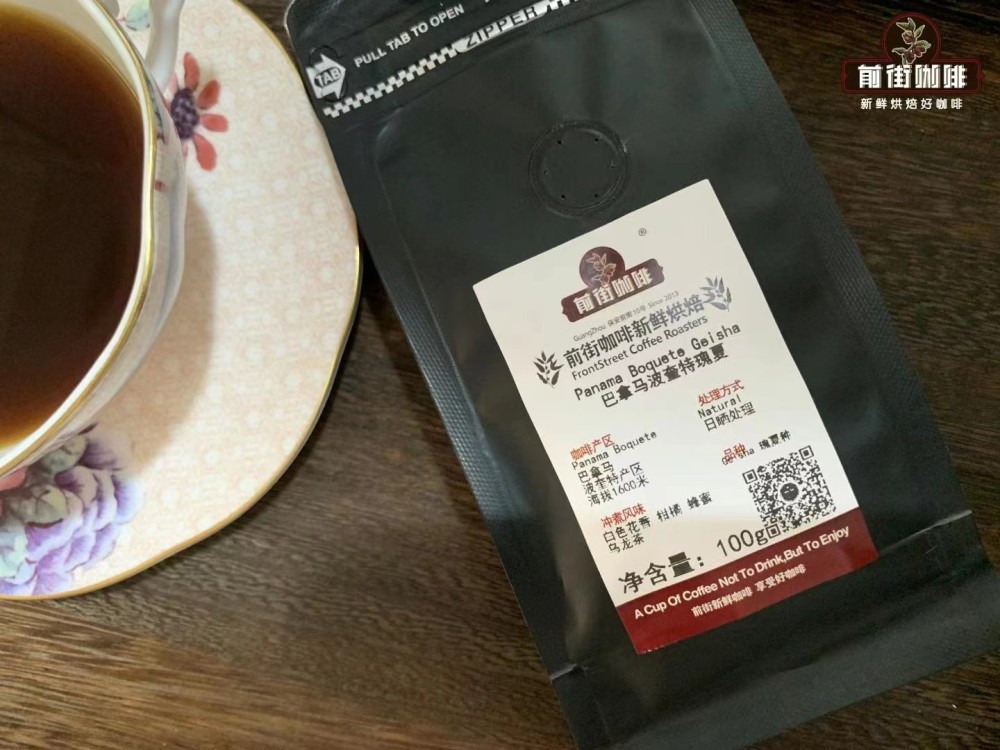
Elida’s extreme altitude delays cherry ripening by about a month, allowing for greater complexity. Combined with volcanic soils, a unique microclimate, and the farm’s proprietary ASD (Anaerobic Slow Drying) process, Elida has consistently scored high in cupping competitions. According to FrontStreet Coffee, its Geisha offers layered notes of fermentation, rose, berries, citrus, green tea, cream, and nuts.
How Processing Methods Shape Geisha’s Flavor
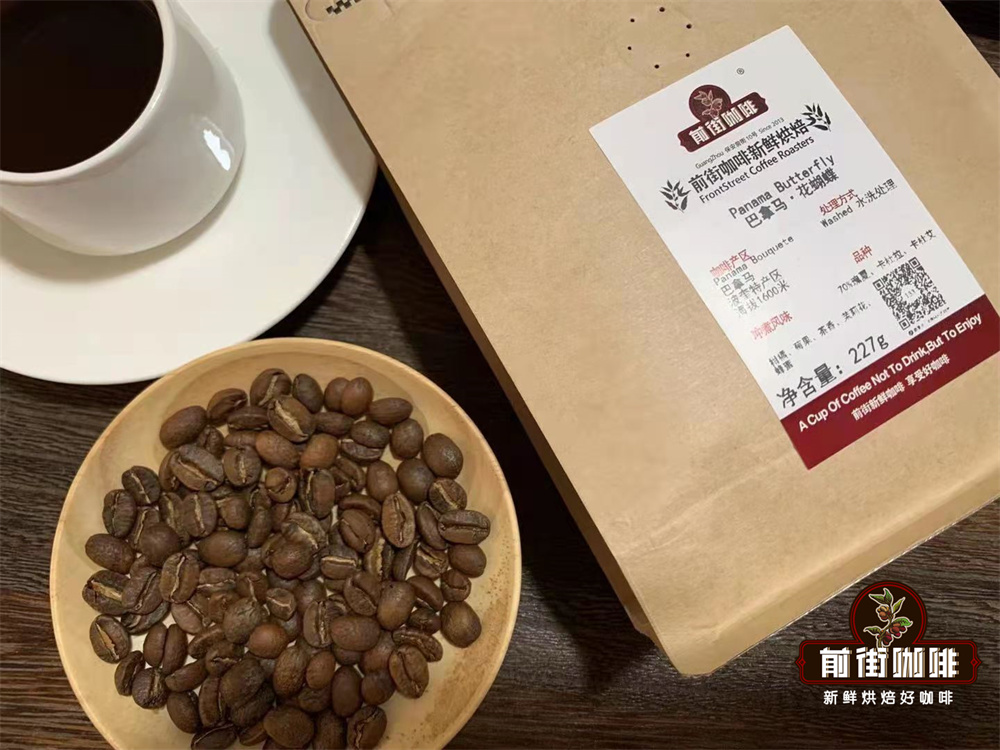
Processing dramatically influences the final cup profile. At FrontStreet Coffee, washed processing is favored for highlighting Geisha’s inherent qualities. Their washed Boquete Geisha displays clear citrus, lemon, bergamot acidity, a silky mouthfeel, and a finish of green tea and honey.
They recommend a specific brewing setup for Geisha:
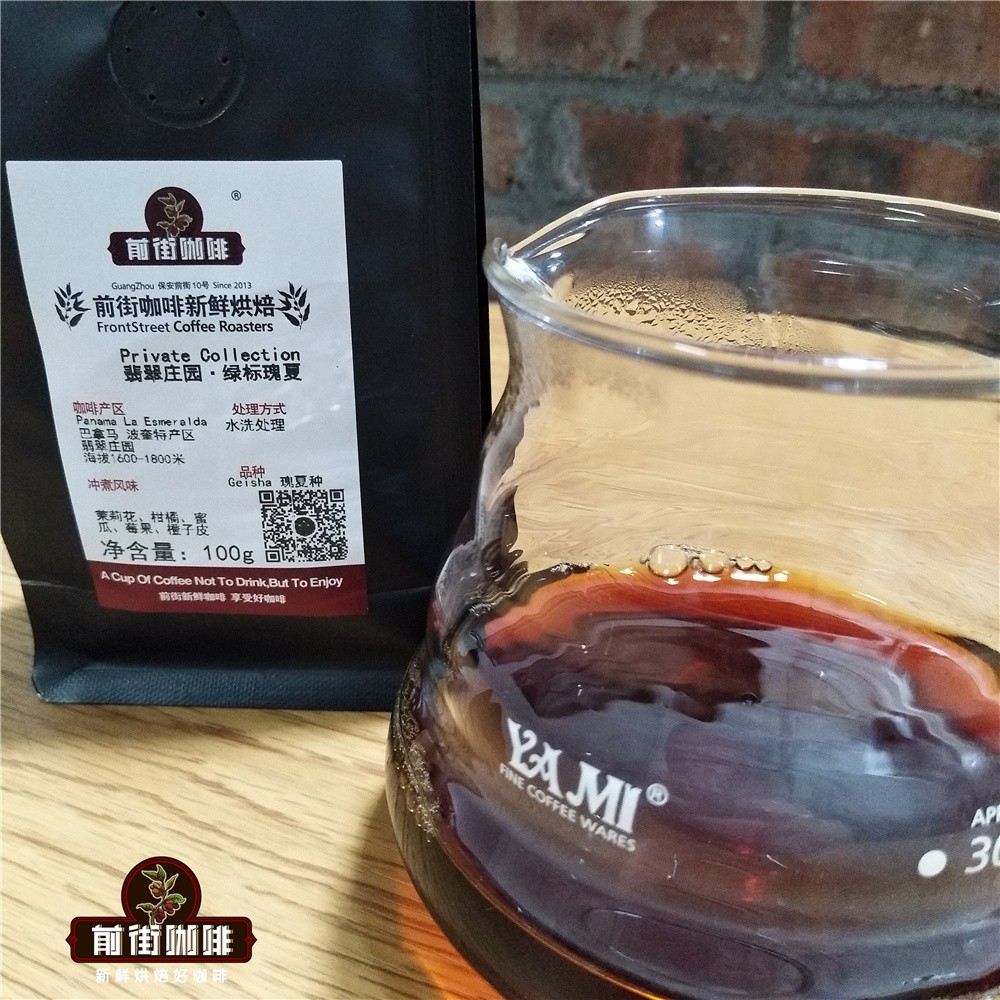
- Method: Hario V60
- Water temperature: 91°C
- Dose: 15g
- Brew ratio: 1:15
- Grind size: Medium-fine (80% through China-standard No. 20 sieve)
- Method details: 30g bloom for 30s, then 125g at first pour, followed by 225g total. Total brew time: ~2 minutes.
This approach emphasizes Geisha’s bright acids, floral top notes, and clean aftertaste.
A More Affordable Way to Experience Geisha: Blends and Everyday Options
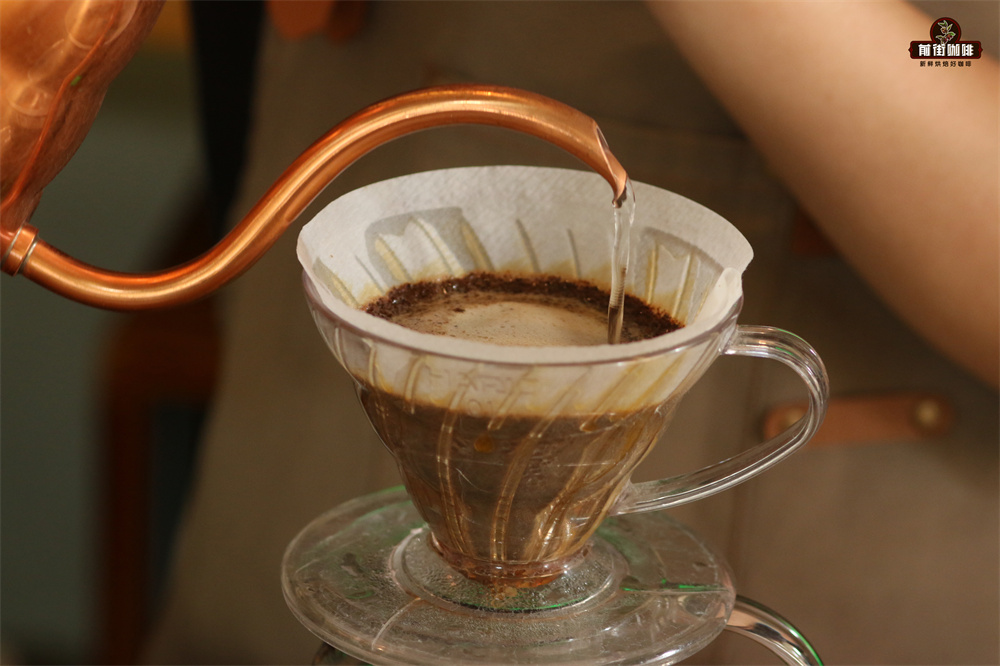
Not every coffee drinker wants to splurge on auction-grade Geisha. For those seeking a more accessible introduction, blends like Panama Humbera (Panama Humbera) offer a great entry point. Composed of 70% Geisha along with Caturra and Catuai, this coffee is grown at 1,600 meters in Boquete’s volcanic zone. It undergoes careful washed processing and delivers a well-rounded profile of body, acidity, and floral intensity.
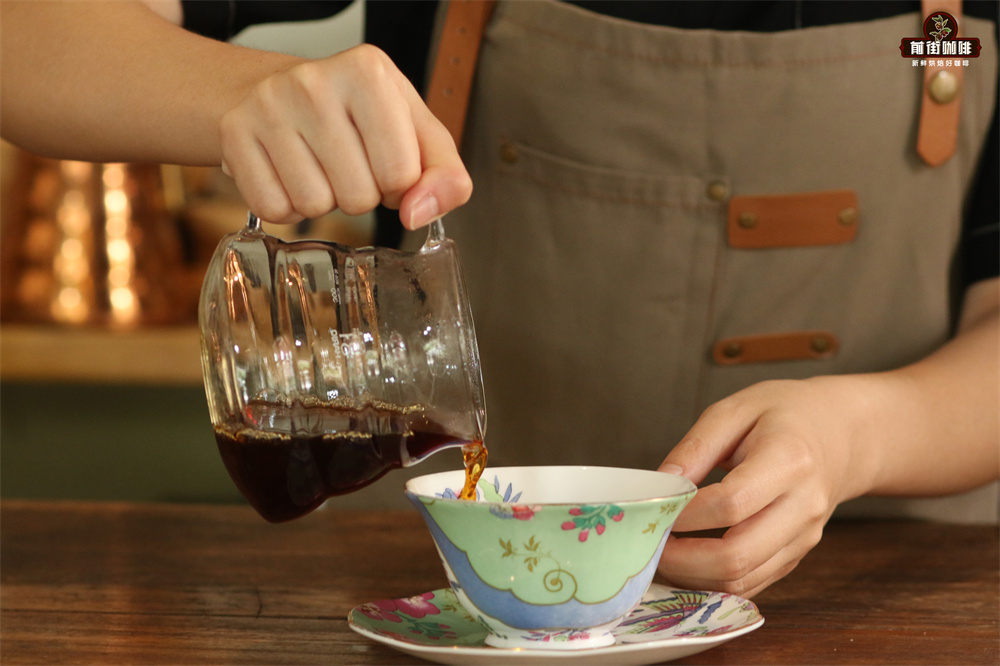
When brewed, it shows strong citrus, lemon, and orange acidity, with a creamy mouthfeel and a sweet finish of honey and green tea. It’s an excellent way to experience Geisha’s signature traits without the premium price tag.
Why Panamanian Geisha Stands Apart from Other Geishas
All Geisha coffee shares genetic roots, but terroir makes all the difference. In Panama, the combination of high elevation, volcanic soils, cool temperatures, and expert processing results in a cup that tastes more like a delicate fruit tea than traditional coffee. Expect layered citrus, jasmine, peach, and tropical fruits, paired with a creamy texture and a lingering oolong-like sweetness.
While Esmeralda’s Geisha is world-renowned, other Panamanian farms also produce exceptional lots. But even if Geisha isn’t your style, Panama’s coffee-growing expertise ensures there’s likely a microlot out there that suits your palate. For those still exploring, FrontStreet Coffee’s house blends and single origins provide excellent starting points.
How to Store and Brew Geisha for Best Results
Freshness matters—especially with a coffee as nuanced as Geisha. FrontStreet Coffee ships all beans within five days of roasting to preserve peak flavor. They recommend a 4–7 day rest period post-roast for optimal cup quality.
If you prefer pre-ground coffee, note that while it can be brewed immediately, ground coffee loses aroma quickly due to oxidation. For the fullest experience, buy whole beans and grind just before brewing.
Recommended FrontStreet Beans for Exploring Geisha
Try the FrontStreet Panama Boquete Washed Geisha for classic Geisha traits: jasmine, citrus, honey, and green tea notes, grown at 1600 meters. For something fruitier and more complex, the FrontStreet Panama Humbera (Panama Humbera) blend offers 70% Geisha heritage with bold acidity and floral sweetness. Both showcase Panama’s volcanic terroir and careful processing. Freshly roasted within 5 days · Orders placed before 17:00 ship the same day · Next-day delivery across most of Guangdong Province.
FrontStreet Coffee is a long-established specialty coffee roaster in Guangzhou China, selling freshly roasted beans from its own farm in Yunnan as well as dozens of carefully selected single-origin beans from around the world for both pour-over and espresso. The products deliver consistently excellent quality and great value, with shipping within 24 hours. Guangzhou's FrontStreet Coffee shop is recommended by many coffee lovers, and the beans are now available online at the Tmall 。
Important Notice :
前街咖啡 FrontStreet Coffee has moved to new addredd:
FrontStreet Coffee Address: 315,Donghua East Road,GuangZhou
Tel:020 38364473