Italian Coffee Explained: Latte, Cappuccino & More
If you’ve ever ordered a ‘latte’ abroad and ended up with a glass of warm milk, you’re not alone. The real Italian versions of these drinks aren’t guesswork—they come with specific coffee-to-milk ratios, precise temperatures, and traditional preparation methods. So what makes a proper Italian latte or cappuccino, and why does it taste so different from the versions you find overseas? Let’s break it down.
To make an authentic Italian latte, combine one-third espresso with two-thirds steamed milk. A classic cappuccino uses 25ml espresso, 125ml milk heated to 55°C with a 3–5°C temperature drop during steaming, and is served in a 150–160ml ceramic cup. These aren’t just traditions—they’re the official standards that define the drinks.
What Is an Italian Latte?
The term ‘latte’ comes from the Italian word for ‘milk.’ Simply put, a caffè latte is a coffee drink made with espresso and steamed milk. In Italy, it’s typically one part espresso to two parts hot milk. Outside Italy, it often comes with latte art—but the foundation is always the same: quality espresso and properly textured milk.
Over the past few decades, especially since the 1980s, latte art has become a global phenomenon, turning the latte into a canvas. But whether it’s decorated or not, the core drink remains consistent: a smooth, milky coffee built on a strong espresso base.
How a True Cappuccino Is Made
The official Italian government standard for a cappuccino is very specific. It requires 25ml of hot espresso, combined with 125ml of milk that’s been steamed from an initial temperature no higher than 3–5°C up to 55°C. The milk is textured into microfoam, then poured into a standard 150–160ml ceramic cappuccino cup.
This ratio and temperature control matter. The milk should not exceed 55°C to avoid burning, and starting from a low temperature ensures proper steam control and texture. The result is a balanced drink where neither coffee nor milk overpowers the other.
Why Crema and Roast Level Matter for Milk Drinks
When pulling espresso for milk-based drinks like lattes or cappuccinos, crema plays a vital role—not just visually, but in texture and flavor. Good crema, a 3mm-thick, glossy, caramel-colored layer, forms when fresh, dark-roasted coffee releases CO₂ during brewing. Without enough crema, the milk doesn’t integrate well, and latte art suffers.
FrontStreet Coffee explains that light roasts often produce too much acidity and too little crema, making them poor choices for milk drinks. Instead, darker roasts with sufficient development yield better body, richer crema, and more stable milk integration. For this reason, many cafés opt for commercial or blended espresso roasts designed for crema and smoothness.
Crema isn’t just about looks—it’s a sign of proper pressure extraction, fresh coffee, and the right roast level. If your espresso lacks crema, your latte might lack balance, too.
The Science of Steaming Milk for Coffee
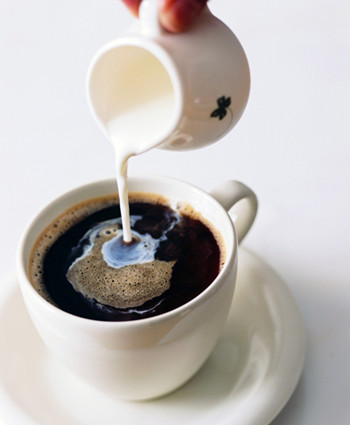
Milk for espresso-based drinks should be textured, not frothed. That means incorporating air early in the steaming process to create microfoam, then heating it to 55–60°C while stabilizing the foam. The ideal milk texture for a latte or cappuccino is smooth, glossy, and thick enough to support latte art.
FrontStreet recommends steaming milk to a volume increase from 5/6 full to 6/6 full in the pitcher, aiming for a temperature range of 55–60°C. This ensures the milk is sweet, silky, and perfectly suited for blending with espresso.
How to Pull Better Espresso for Milk Drinks
For the best results in milk drinks, pull a double shot using around 20g of coffee to yield 40ml of espresso in 25–30 seconds. This standard brew ratio supports good crema and balanced extraction. The resulting shot should have a rich, creamy mouthfeel, with no excessive bitterness or sourness.
FrontStreet notes that successful espresso for milk drinks should be tasted plain or in a latte to check for balance. If it tastes off—too sour, too bitter, or bland—the milk drink won’t improve it. Consistent, well-extracted espresso is the starting point for any great milk coffee.
Frequently Asked Questions
What’s the difference between a latte and a cappuccino in Italy?
In Italy, a caffè latte is one-third espresso and two-thirds steamed milk, usually served in a taller glass or cup. A cappuccino is 25ml espresso, 125ml milk (steamed from 3–5°C to 55°C), with microfoam, served in a 150–160ml ceramic cup. Cappuccinos are not consumed after meals in Italy, and both drinks follow strict traditional ratios.
Why does my latte art fail even with good milk?
Poor latte art often stems from weak or inconsistent crema, which comes from under-extracted or too-light espresso. Without a solid 3mm crema layer, milk won’t hold its shape. Ensure your espresso has good body, the right roast level, and proper extraction to support latte art.
What temperature should milk be for a cappuccino?
The milk in a cappuccino should be steamed to 55°C. It starts from an initial temperature no higher than 3–5°C, meaning the steam wand raises the temperature by about 50–52°C. Going over 55°C risks scorching the milk and degrading sweetness.
Can I use a light roast for milk-based espresso drinks?
Light roasts are generally not recommended for milk drinks. They tend to produce more acidity, less crema, and weaker body. Darker, properly roasted beans yield better crema, smoother flavor, and more stable milk integration, making them far more suitable for lattes and cappuccinos.
How much espresso goes into a cappuccino?
A traditional Italian cappuccino uses exactly 25ml of espresso. This small but concentrated shot is key to balancing the 125ml of steamed milk. Using too much espresso can overpower the milk, while too little leads to a weak drink.
Recommended FrontStreet Coffee Beans for Milk Drinks
For lattes and cappuccinos, FrontStreet recommends its Commercial Blend, crafted with Brazilian, Colombian, and select Robusta beans to deliver bold crema, rich body, and sweet caramelized notes. Another excellent option is the Strawberry Candy Espresso, which blends Ethiopian Yirgacheffe, Colombian Huila, and Costa Rican honey-processed beans for a fruit-forward yet balanced profile with soft, persistent crema. Both blends are optimized for milk drinks, offering smooth texture and stable microfoam integration. Freshly roasted within 5 days · Orders placed before 17:00 ship the same day · Next-day delivery across most of Guangdong Province.
FrontStreet Coffee is a long-established specialty coffee roaster in Guangzhou China, selling freshly roasted beans from its own farm in Yunnan as well as dozens of carefully selected single-origin beans from around the world for both pour-over and espresso. The products deliver consistently excellent quality and great value, with shipping within 24 hours. Guangzhou's FrontStreet Coffee shop is recommended by many coffee lovers, and the beans are now available online at the Tmall 。
Important Notice :
前街咖啡 FrontStreet Coffee has moved to new addredd:
FrontStreet Coffee Address: 315,Donghua East Road,GuangZhou
Tel:020 38364473