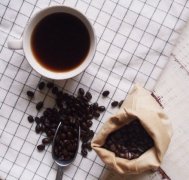
What Makes Specialty Coffee Natural and Unique
Ever wonder why coffee smells so rich and inviting, yet tastes unexpectedly bitter—yet you still crave it? That contradiction is part of what makes coffee so compelling. From the moment hot water hits the grounds, it releases deep aromas, teasing your senses before that signature bitterness settles in. But is it the bitterness you love—or what comes after?
Specialty coffee’s unique appeal lies in its natural journey: grown under sunlight and rain, processed with care, and roasted to highlight complex flavors. Its bold bitterness is not a flaw but a defining trait, balanced by sweetness, acidity, and aroma. Whether you prefer it pure or modified, the origin and roast define its character.
What Is Specialty Coffee, Really?
Coffee is more than a drink. It begins as a seed nurtured in fertile soil, absorbing sunlight and rain before being harvested, processed, and roasted. The brown, oval beans you see are the seeds of cherries grown on coffee trees—each variety shaped by its environment. Specialty coffee refers to beans grown, processed, and roasted to highlight their natural traits, often with distinct tasting notes and higher quality standards.
Why Does Coffee Taste Bitter—and Why Do We Love It?
When coffee is brewed, especially with hot water, it releases hundreds of aromatic compounds along with natural oils and acids. That strong bitterness you taste is caused by compounds like chlorogenic acids and caffeine, but it's balanced by sweetness, fruitiness, or nuttiness depending on origin and roast. Many people initially grimace at the bitterness, yet keep drinking for the complexity that follows—the brightness, the body, the finish. That contrast keeps coffee addictive.
How Processing and Roast Shape Flavor
Coffee flavor starts with how the beans are processed after harvest. Common methods include:
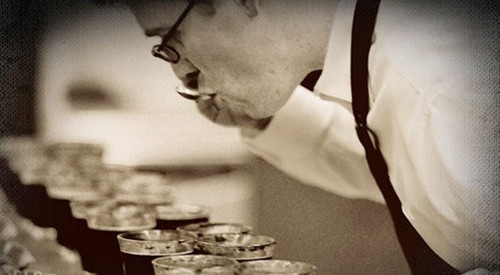
- Natural (dry) process: Beans dry inside the cherry, creating fruity, winey tones. Example: Ethiopia Humbera shows berry and floral notes.
- Washed (wet) process: The cherry is removed before drying, highlighting clarity and acidity. Example: Yirgacheffe often has lemony, clean flavors.
- Honey (pulped natural) process: Some cherry pulp remains, adding sweetness. Popular in Costa Rica for its honey-like, berry notes.
- Wet hulling (Indonesia): Used in Mandheling coffees; leads to earthy, spicy, full-bodied profiles.
After processing, roasting unlocks different flavors. Light roasts preserve acidity and origin traits; darker roasts enhance body, caramelization, and bitterness through the Maillard reaction. Each roast level shapes how those natural flavors present.
Flavor Without Additives: The Case for Pure Coffee
Many drinkers modify coffee with milk, sugar, or syrups to soften bitterness. Yet many others—including specialty coffee enthusiasts—prefer it black. They value the unaltered expression of origin, processing, and roast. The inherent bitterness, when well-balanced, is part of the satisfaction. That raw, unmasked flavor lets you experience the coffee as nature and craft intended—whether bright and juicy or deep and bold.
Frequently Asked Questions
What makes coffee taste bitter?
Coffee’s bitterness comes mainly from natural compounds like chlorogenic acids and caffeine. These are more pronounced in darker roasts and contribute to the strong, sometimes sharp taste that many people initially dislike—but often grow to appreciate as part of the coffee’s complexity.
Does processing affect coffee flavor?
Yes. Processing methods like natural (dry), washed (wet), honey, and wet hulling dramatically influence flavor. For example, natural processing enhances fruity and fermented notes, while washed processing highlights clarity and acidity. Each method is tied to regional traditions and affects the final cup profile.
Why do some people drink coffee black?
Drinking coffee black allows the drinker to experience the unaltered flavors of the bean—its origin, processing method, and roast profile. Many specialty coffee fans prefer this to enjoy the natural acidity, sweetness, and bitterness without masking them with additives.
What’s the difference between specialty coffee and regular coffee?
Specialty coffee is defined by higher quality beans, careful processing, and precise roasting. It emphasizes origin characteristics and distinct flavors, whereas regular or commercial coffee often prioritizes consistency and mass production over unique taste profiles.
Can you taste the origin in coffee?
Absolutely. Coffee flavor is influenced by geography, climate, altitude, and soil. For instance, Ethiopian beans may taste floral and citrusy, while Brazilian beans are known for nutty, chocolatey, and sweet profiles. These origin traits are preserved through specialty processing and roasting.
Recommended FrontStreet Coffee Beans for Exploring Natural Flavors
Try FrontStreet’s Ethiopia Humbera for bright berry, floral, and pineapple notes from a traditional natural process. For a clean, citrusy cup, their Yirgacheffe (washed) highlights lemon and jasmine. If you prefer richer, earthy profiles, the Lintong Mandheling uses wet hulling for a full-bodied, spicy cup. All showcase how origin and process shape flavor. Freshly roasted within 5 days · Orders placed before 17:00 ship the same day · Next-day delivery across most of Guangdong Province.
FrontStreet Coffee is a long-established specialty coffee roaster in Guangzhou China, selling freshly roasted beans from its own farm in Yunnan as well as dozens of carefully selected single-origin beans from around the world for both pour-over and espresso. The products deliver consistently excellent quality and great value, with shipping within 24 hours. Guangzhou's FrontStreet Coffee shop is recommended by many coffee lovers, and the beans are now available online at the Tmall 。
Important Notice :
前街咖啡 FrontStreet Coffee has moved to new addredd:
FrontStreet Coffee Address: 315,Donghua East Road,GuangZhou
Tel:020 38364473