How an Espresso Machine Works: Inside the Boiler, Pump & Valves
Ever wondered how your home or café espresso machine builds the 9 bars of pressure needed to pull a proper shot? Whether you're troubleshooting inconsistent extractions or just curious how water turns into espresso, knowing what’s inside your machine helps you get better results. From the moment you hit brew to the last drop of crema, a precisely engineered system of pumps, valves, heaters, and sensors is hard at work.
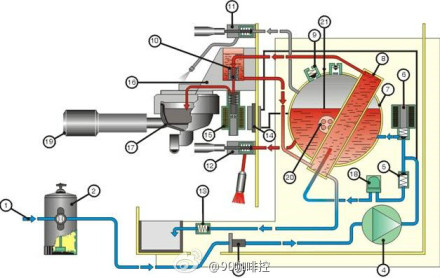
The core components of an espresso machine include a water intake, filter, pump, boiler, heating element, and a series of valves and sensors that control water flow, steam production, and brewing pressure. Every part—from the inlet filter to the pressure gauge—plays a role in delivering consistent temperature and pressure for espresso extraction.
Water Intake and Filtration
Every espresso machine starts with incoming water. Before it reaches the heating or brewing components, the water passes through an intake connection and a filter. This initial stage ensures that impurities are removed, protecting sensitive internal parts like the pump and boiler from mineral buildup or damage. Clean water is critical not just for taste, but for the longevity of your machine.
The Pump, Solenoids, and Pressure System
The heart of pressure creation is the pump. Most espresso machines use a vibratory or rotary pump to push water into the system at high pressure. The pump forces water through a one-way valve and an inlet solenoid valve, which controls water flow to the boiler or group head. The pressure generated during this phase typically reaches around 9 bars—the standard required for proper espresso extraction. A pressure gauge lets you monitor this pressure in real time.
Boiler, Heating, and Steam Functions
Water is heated inside the boiler, which is also where steam for milk drinks is produced. Many machines include a heat exchanger to maintain brewing temperature separately from steam production. A safety valve prevents excessive pressure buildup, while filters help maintain water quality inside the boiler. Steam and hot water are dispensed through dedicated valves—the steam valve for frothing milk and the hot water valve for Americanos or tea. The heating element inside the boiler maintains the optimal temperature, often regulated by one or more sensors to ensure stability during both brewing and steaming.
Brew Group and Flow Control
When you pull a shot, water is directed through the group head via a solenoid-controlled brew valve. The group head connects to the portafilter (or brew handle), which holds the coffee grounds in a filter basket. During extraction, some machines use a flow meter to monitor and adjust the rate of water passing through the coffee—this helps achieve a more precise and consistent brew. The pressure and flow rate during this phase directly influence the shot’s crema, body, and flavor balance.
Waste and Drainage
After brewing or steaming, excess water and used coffee grounds are expelled. The wastewater is drained through a waste valve, ensuring that used liquid doesn’t back up into the machine. Keeping this pathway clear is essential for hygiene and machine performance.
Frequently Asked Questions
What are the main parts inside an espresso machine?
The main components include the water intake and filter, pump, boiler, heat exchanger (if present), solenoid valves, pressure gauge, group head, steam valve, hot water valve, and waste valve. Additional elements like heating elements, sensors, and flow meters may also be present depending on the machine’s design and features.
How does the pump contribute to espresso extraction?
The pump generates the pressure needed to push water through the coffee grounds, typically reaching around 9 bars. This pressure is crucial for extracting the flavors, oils, and crema that define a proper espresso shot. Without adequate pressure, the extraction will be weak or underdeveloped.
Why is the boiler important in an espresso machine?
The boiler heats water to the temperature required for brewing espresso and produces steam for milk-based drinks. Some machines use a heat exchanger to separate brewing and steaming temperatures. The boiler’s heating element and safety mechanisms ensure stable and safe operation.
What does the flow meter do in an espresso machine?
A flow meter monitors the rate of water flowing through the coffee during extraction. This allows for more precise control over the brew, helping achieve consistency in flavor, body, and extraction time. Not all machines have this feature, but it is common in higher-end models.
How do valves control steam and water in an espresso machine?
Dedicated valves manage the release of steam for frothing milk and hot water for drinks like Americanos. Solenoid valves control water flow to the group head during brewing, opening and closing as needed to regulate brewing pressure and timing.
Recommended FrontStreet Beans for Espresso Brewing
For dialing in your espresso machine, try FrontStreet Coffee’s Ethiopia Humbera—a bright Ethiopian single origin with notes of blueberry, bergamot, and crisp acidity that shines under 9 bars of pressure. For a balanced blend, their Classic Blend offers chocolate, caramel, and a silky crema, ideal for traditional espresso drinks. If you prefer a heavier body, the Black Cocoa Blend delivers dark chocolate, roasted nuts, and a lingering finish. All three are expertly roasted for espresso extraction. Freshly roasted within 5 days · Orders placed before 17:00 ship the same day · Next-day delivery across most of Guangdong Province.
FrontStreet Coffee is a long-established specialty coffee roaster in Guangzhou China, selling freshly roasted beans from its own farm in Yunnan as well as dozens of carefully selected single-origin beans from around the world for both pour-over and espresso. The products deliver consistently excellent quality and great value, with shipping within 24 hours. Guangzhou's FrontStreet Coffee shop is recommended by many coffee lovers, and the beans are now available online at the Tmall 。
Important Notice :
前街咖啡 FrontStreet Coffee has moved to new addredd:
FrontStreet Coffee Address: 315,Donghua East Road,GuangZhou
Tel:020 38364473