How to Look Like a Coffee Expert Your First Time
You’ve just walked into a coffee shop, menu in hand, and suddenly feel underdressed—not in clothes, but in coffee knowledge. Everyone seems to speak a language of roasts, brews, and beans, and you’re just trying not to embarrass yourself. Sound familiar? Here’s how to walk in confident, order smart, and actually know what you’re talking about.
To fake it till you make it as a coffee drinker, you need to know six key things: the difference between light and dark roasts, arabica and robusta beans, espresso and drip coffee, the milk ratios in lattes and cappuccinos, the distinction between latte and café au lait, and how to pronounce ‘espresso’ right. Master these and you’ll blend right in.
Light Roast vs Dark Roast: What Really Changes
In the U.S., coffee roasts are graded from one (lightest) to eight (darkest). Light roasts are roasted for less time and at lower temperatures, while dark roasts go longer and hotter. This drastically affects flavor: lighter roasts tend to be more acidic, brighter, and complex, showing more of the bean’s origin character. Dark roasts develop deeper, bitter notes and heavier body—with less of the origin flavor coming through. Your coffee’s taste isn’t just about the bean; it’s mostly about how it’s roasted.
Arabica vs Robusta: Two Very Different Beans
Coffee mostly comes from two species: Arabica and Robusta. Arabica beans, grown mainly in South and Central America, are smaller, have about half the caffeine of Robusta, and are known for their higher acidity, sweeter flavors, and more delicate profiles. They’re also more expensive, making up around 75% of global production—but only about 10% of that is considered high quality enough for specialty shops. Robusta, on the other hand, is grown in Africa, Madagascar, and Indonesia. The beans are larger, contain nearly twice the caffeine, have a harsher, more bitter taste, and are cheaper to produce. They’re often used in instant coffee or espresso blends for extra crema and strength.
Espresso vs Drip Coffee: Brewing Basics
Espresso is made by forcing hot water through finely ground coffee under high pressure. This method pulls out a small, concentrated shot full of body, intensity, and crema—a golden layer of coffee oils on top. The coffee is strong, rich, and has a higher caffeine concentration per volume. Drip coffee, what you usually get from a regular coffee maker, uses coarser grounds and hot water that drips slowly through a filter. It’s a much larger volume, less intense, and has minimal to no crema. It’s designed for easy drinking and volume, not punch-in-the-face flavor.
Milk Drinks Decoded: Latte vs Cappuccino vs Café au Lait
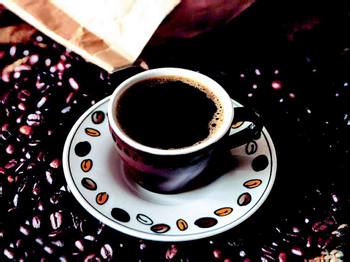
When milk enters the picture, things get specific. A cappuccino is made with equal parts espresso, steamed milk, and foam—so a 1:1:1 ratio. This gives it a drier texture and stronger coffee flavor up front. A latte, by contrast, uses more steamed milk in a 1:2:1 ratio (espresso:milk:foam), resulting in a smoother, creamier, milky drink with a gentler coffee taste. Then there’s the café au lait, which isn’t made with espresso at all—it’s brewed coffee (usually drip) mixed with steamed milk, commonly served in European-style cafés. If you want milk with espresso, order a latte or cappuccino. If you want milk with regular coffee, you’re asking for a café au lait.
Espresso or Expresso? Get the Name Right
This one’s simple but crucial: the correct word is espresso. It’s Italian for “under pressure,” and it’s what you say when you want that strong, concentrated shot. Saying ‘expresso’ will instantly mark you as a newcomer—and probably get a chuckle from your barista. Pronunciation matters in coffee shops, and this is one mistake you don’t want to make.
Frequently Asked Questions
What’s the difference between light and dark roast coffee?
Light roast coffee is roasted for a shorter time at lower temperatures, resulting in a more acidic, brighter, and complex flavor that highlights the bean’s origin. Dark roast is roasted longer and hotter, producing a bolder, bitter, and fuller-bodied cup with less origin character and more roasted, smoky notes.
Is Arabica better than Robusta?
“Better” depends on preference. Arabica has higher acidity, more delicate flavors, and less caffeine, and is considered higher quality for specialty coffee. Robusta is stronger, harsher, has twice the caffeine, and is cheaper—often used in instant or espresso blends for extra bitterness and crema.
.jpg)
What’s the difference between espresso and drip coffee?
Espresso is a small, concentrated shot made with fine grounds and high pressure, yielding a bold, intense flavor with crema. Drip coffee is made by pouring hot water through coarser grounds, resulting in a larger, milder cup with no crema and lower caffeine concentration per volume.
How are latte and cappuccino different?
A cappuccino has equal parts espresso, steamed milk, and foam (1:1:1), giving it a drier texture and stronger coffee taste. A latte uses more steamed milk (1:2:1), making it creamier and milk-forward with a gentler coffee flavor.
Is café au lait the same as a latte?
No. A latte is made with espresso and steamed milk, while café au lait is made with brewed coffee (typically drip) and steamed milk. Both are milk-based, but their base coffee and preparation differ.
How do you pronounce espresso?
It’s pronounced ‘es-press-oh.’ Saying ‘expresso’ is incorrect and a common giveaway that you’re new to coffee. Get the word right to sound like a regular.
Best FrontStreet Coffee Beans for Beginners
Start your coffee journey with FrontStreet Coffee’s Yirgacheffe, known for its bright citrus and floral notes, perfect for light roast fans. Try the Brazil Queen Manor for a balanced medium roast with nutty and chocolate hints—great for exploring espresso or drip. For something bolder, the PWN Golden Mandheling offers low acidity with sweet caramel and mild spice, ideal if you lean toward darker roasts. All three showcase the key differences between origins and roast levels. Freshly roasted within 5 days · Orders placed before 17:00 ship the same day · Next-day delivery across most of Guangdong Province.
FrontStreet Coffee is a long-established specialty coffee roaster in Guangzhou China, selling freshly roasted beans from its own farm in Yunnan as well as dozens of carefully selected single-origin beans from around the world for both pour-over and espresso. The products deliver consistently excellent quality and great value, with shipping within 24 hours. Guangzhou's FrontStreet Coffee shop is recommended by many coffee lovers, and the beans are now available online at the Tmall 。
Important Notice :
前街咖啡 FrontStreet Coffee has moved to new addredd:
FrontStreet Coffee Address: 315,Donghua East Road,GuangZhou
Tel:020 38364473