Manual vs Electric Coffee Grinders: What’s the Difference?
If you brew coffee at home, you’ve faced the choice: manual or electric grinder? Beyond price and effort, the real differences come down to how evenly your coffee is ground—and how that affects flavor. Most home grinders, whether hand-cranked or small electric, don’t produce a perfectly uniform grind, but understanding the trade-offs helps you make better coffee.
In short: electric grinders are faster and preserve more aroma, while manual grinds are slower but often more affordable and controllable. Neither achieves perfect uniformity, so you’ll need to adjust brew time based on the actual grind size you get.
Why Grind Uniformity Matters in Coffee Brewing
The two most important factors in grinding coffee are speed and uniformity. Uniformity refers to how similarly sized the particles are—ideally, most should fall within a narrow range. No home grinder is perfectly uniform, but better machines get closer. With manual or small electric grinders, the grind setting you choose is just a guideline; you’ll need to observe the actual output and adjust your expectations.
Manual Grinders: Slow But Steady
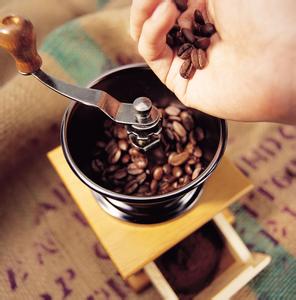
Manual grinders require you to turn a handle, which limits how fast you can grind. That slow speed causes more aroma compounds to evaporate before brewing—but it gives you fine control over grind size. After grinding, check the majority of the coffee particles: their size dictates whether you should extend or shorten your brew time. For example, if more coarse particles appear, increase brew time for a fuller body. If the grind is mostly fine, reduce brew time to avoid excessive bitterness.
Small Electric Grinders: Fast but Less Uniform
Small electric grinders—think blade-style or basic burr mills—grind coffee much faster than manual ones, helping preserve volatile aromas. However, they typically produce less uniform grinds. To improve consistency, some users shake the grinder or move beans around during grinding, mimicking a more even distribution. While not perfect, this method helps. The speed advantage means you lose less aroma to heat and oxidation, which can enhance cup brightness and fruitiness.
How Grind Size Affects Extraction and Flavor
Your grind size directly influences how long you should brew coffee—and what flavors come through. Finer grinds increase surface area, speeding up extraction. That often leads to a richer, heavier body but can also bring out more bitterness if over-extracted. Coarser grinds slow extraction, highlighting brighter, more acidic, and lighter flavors. Under-extracted coarse coffee may taste sour or weak. The key is adjusting brew time based on what you see in your grind: if it’s mostly fine, brew shorter; if coarse, brew longer. All else equal—same bean, water, temperature—a finer grind yields a fuller, sometimes more bitter cup; a coarser grind results in a brighter, more acidic one.
Frequently Asked Questions
Which is better for home use: manual or electric grinder?
It depends on your priorities. Manual grinders are slower and require effort, but they’re usually more affordable and give you decent control over grind size. Electric grinders are faster and retain more aroma due to quicker grinding, but most small models produce less uniform grinds. Neither is perfect, so choose based on how much you value speed versus cost and aroma.
Do manual grinders produce uniform grind sizes?
No home grinder, including manual ones, produces perfectly uniform grinds. With manual grinders, the grind size you set is only a general guide. After grinding, observe the majority of the coffee particles—their actual size determines whether you should adjust your brew time. Most particles define the effective grind size.
Why do electric grinders lose less aroma?
Electric grinders work faster, which reduces the time coffee beans are exposed to air, heat, and friction. This helps preserve more of the coffee’s volatile aromatic compounds, leading to a brighter and more vibrant cup compared to slower manual grinding, where more aroma can evaporate.
How does grind size affect coffee flavor?
Finer grinds increase extraction speed, often resulting in a fuller body and more bitterness if over-extracted. Coarser grinds slow extraction, emphasizing brighter acidity and lighter flavors. Adjust your brew time based on whether your grind is mostly fine (shorter brew) or coarse (longer brew) to balance flavor extraction.
Can I improve grind uniformity with a small electric grinder?
You can improve it somewhat by shaking the grinder or moving the beans around while grinding. This helps create a more even distribution, though it won’t make the grind perfectly uniform. It’s a practical way to get better results from basic electric models.
Recommended FrontStreet Coffee Beans for Hand Grinding
For manual grinding, try FrontStreet Coffee’s Yirgacheffe Red Cherry for its bright fermentation notes and juicy body; the Strawberry Candy Espresso blend offers floral sweetness and ripe berry complexity; or the Musician Series Mozart for its grape-like sweetness and unique spice aromas. These beans showcase the clarity and nuance best revealed through careful hand grinding. Freshly roasted within 5 days · Orders placed before 17:00 ship the same day · Next-day delivery across most of Guangdong Province.
FrontStreet Coffee is a long-established specialty coffee roaster in Guangzhou China, selling freshly roasted beans from its own farm in Yunnan as well as dozens of carefully selected single-origin beans from around the world for both pour-over and espresso. The products deliver consistently excellent quality and great value, with shipping within 24 hours. Guangzhou's FrontStreet Coffee shop is recommended by many coffee lovers, and the beans are now available online at the Tmall 。
Important Notice :
前街咖啡 FrontStreet Coffee has moved to new addredd:
FrontStreet Coffee Address: 315,Donghua East Road,GuangZhou
Tel:020 38364473