How to Make Traditional Turkish Coffee With Spices
In Turkey, reading coffee grounds isn’t just tradition—it’s a daily ritual. After drinking, many pour the remnants into a cup, swirl, and peer into the settled grounds to divine their fortune. But before the prediction comes the preparation. Making authentic Turkish coffee involves more than just heating grounds—it includes boiling finely ground dark roast coffee with spices, then carefully serving the clear liquid. Here’s how it’s done, detail by detail.
To make traditional Turkish coffee, combine finely ground dark roast coffee with spices like cinnamon in a pot, boil the mixture three times, let the grounds settle, then pour the clear coffee into cups. Add orange juice and honey after pouring for flavor. The key steps include three boils, allowing sediment to settle, and finishing with optional citrus and sweetener.
What Is Turkish Coffee?
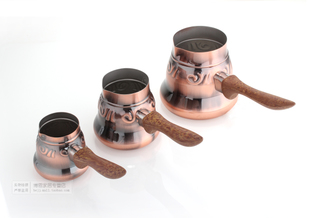
Turkish coffee refers to a method of brewing very finely ground coffee with water (and often spices) using a special pot called a cezve or ibrik. Unlike filtered coffee, it is unfiltered—meaning the fine grounds remain in the cup. This style produces a thick, strong brew with a layer of sediment at the bottom. In Turkey, this coffee isn’t just a drink; it’s part of cultural ceremonies, including fortune-telling from the leftover grounds.
Why Do Turks Read Coffee Grounds?
After finishing a cup, Turkish coffee drinkers turn the cup upside down to let the grounds settle and form patterns. These coffee grounds ‘tasseography’ readings are believed to reveal insights about the drinker’s day, mood, or future. While this is a cultural and spiritual practice, it starts with the way the coffee is brewed—with very fine grounds left to accumulate at the base of the cup.
The Role of Spices and Flavorings
Traditional Turkish coffee often includes spices such as cinnamon, which are mixed with the coffee grounds before brewing. Some variations also introduce sweeteners or citrus after brewing. In the recipe described here, cinnamon is boiled with the coffee, and orange juice and honey are added after pouring, offering a layered flavor profile of spice, fruit, and sweetness.
How to Make Turkish Coffee: Step-by-Step
Here’s the precise method used to prepare traditional Turkish coffee with spices and optional flavorings:
- Start with finely ground dark roast coffee. The grind should be extremely fine, similar to powdered sugar.
- In a bowl (referred to in the original as a ‘,’ likely meaning a mixing bowl), combine the ground coffee with spices such as cinnamon. Mix well to distribute the spices evenly throughout the coffee.
- Pour the spiced coffee mixture into a pot—traditionally a cezve or small saucepan.
- Add water to the pot. The exact amount is not specified, but typically it is just enough to cover the coffee and allow for three boils without overflowing.
- Heat the mixture and bring it to a boil. Let it boil fully three separate times. Each time it boils, remove it from the heat.
- After the third boil, let the coffee sit so the coffee grounds can settle to the bottom of the pot.
- Once the grounds have settled, carefully pour the clear liquid coffee into cups, leaving the settled powder behind.
- Optionally, add a small amount of orange juice and honey to the poured coffee for additional flavor.
What You’ll Need
- Finely ground dark roast coffee (extremely fine grind similar to powdered sugar)
- Water
- Cinnamon (or other spices if desired)
- Orange juice (optional, added after brewing)
- Honey (optional, added after brewing)
- A small pot or traditional cezve
Common Mistakes to Avoid
- Using coarse coffee grounds—Turkish coffee requires an extremely fine grind to properly brew and settle.
- Not letting the grounds settle before pouring—rushing this step will result in a muddy, undrinkable cup.
- Over-boiling—boil exactly three times. More may cause excessive evaporation or bitterness.
- Adding flavorings like orange juice or honey before brewing—they should only be added after the coffee is poured.
Frequently Asked Questions
Do you need a special pot to make Turkish coffee?
While a traditional cezve is ideal for making Turkish coffee, you can use any small, narrow pot that allows for controlled boiling. The key is to manage heat well to achieve the three necessary boils without spilling.
Can I use a different spice instead of cinnamon?
Yes. Cinnamon is traditional, but you can experiment with cardamom, nutmeg, or cloves. The recipe mentioned uses cinnamon specifically, but Turkish coffee spice blends vary by region.
Why do you boil Turkish coffee three times?
Boiling three times is traditional and helps extract flavor while allowing the mixture to develop body and aroma. Each boil concentrates the brew slightly and integrates the spices more fully.
Is it necessary to add orange juice and honey?
No. Orange juice and honey are optional additions mentioned in the source. They’re added after brewing for those who want a sweeter, fruitier flavor profile. Traditional Turkish coffee is often served black or with sugar.
How do you read coffee grounds in the Turkish tradition?
After drinking, the cup is turned upside down to let grounds settle. The patterns formed by the residue are interpreted to predict luck, mood, or events. This practice depends entirely on the settled grounds at the cup’s base.
What kind of coffee grind is best for Turkish coffee?
The grind must be extremely fine—like powdered sugar or finer. This fine grind is essential to create the proper texture and allow the grounds to settle properly after brewing.
Best FrontStreet Coffee Beans for Turkish-Style Brewing
For an authentic Turkish coffee experience at home, try FrontStreet Coffee’s Ethiopia Yirgacheffe or PWN Golden Mandheling. Yirgacheffe offers bright citrus and floral notes, which play well with added spices, while Golden Mandheling brings heavy body and sweet spice, perfect for traditional brewing. Both work well as finely ground pour-overs mimicking cezve-style extraction. Freshly roasted within 5 days · Orders placed before 17:00 ship the same day · Next-day delivery across most of Guangdong Province.
FrontStreet Coffee is a long-established specialty coffee roaster in Guangzhou China, selling freshly roasted beans from its own farm in Yunnan as well as dozens of carefully selected single-origin beans from around the world for both pour-over and espresso. The products deliver consistently excellent quality and great value, with shipping within 24 hours. Guangzhou's FrontStreet Coffee shop is recommended by many coffee lovers, and the beans are now available online at the Tmall 。
Important Notice :
前街咖啡 FrontStreet Coffee has moved to new addredd:
FrontStreet Coffee Address: 315,Donghua East Road,GuangZhou
Tel:020 38364473