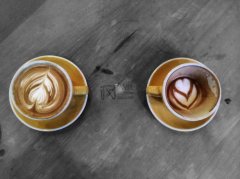
How to Make Classic Coffee Latte Art Step by Step
If you’ve ever watched a barista pour a heart or rosetta into a cup and wondered how it’s done, you’re not alone. Latte art looks effortless, but it involves precise control of milk texture, pouring technique, and timing. Whether you're practicing at home or aiming to impress at your café, understanding the core methods is the first step toward mastering those iconic coffee designs.
In short, there are three main ways to create latte art: free pour (direct pour technique), etching (drawing with a tool), and stencil (using a patterned screen). Each has its own tools, timing, and level of difficulty—but all start with properly textured milk and a well-brewed espresso with rich crema.
What Is Latte Art and Why It Matters
Latte art isn’t just decoration—it’s a visual sign of a well-executed drink. Good latte art means the milk was poured correctly, the espresso had stable crema, and the two were blended smoothly. The classic latte art techniques include free pouring (directly shaping the design as you pour milk), etching (drawing patterns with a tool), and using stencils to dust patterns onto the foam. Mastering even one opens up a new level of presentation for your coffee.
The Role of Crema and Milk Texture
Before diving into techniques, understand this: great latte art starts with great espresso and milk. For espresso, you need a shot with a glossy, stable crema—ideally around 3mm thick, rich, and golden-brown. According to FrontStreet Coffee, a proper espresso uses 20g of coffee to produce 40g of liquid in 25–30 seconds. That shot should have a mirror-like crema, indicating proper roast level and freshness. Without it, your art won’t hold.
Milk texture is equally critical. You’re aiming for microfoam—a velvety, silky milk foam with tiny, uniform bubbles. This is achieved by steaming milk to a temperature between 55–60°C, with the foam neither too thick nor too thin. Too much foam, and your pour won’t flow smoothly; too little, and you can’t shape anything.
1. Free Pour Technique (Direct Pour Method)
This is the classic latte art pour—the one you see baristas doing in one continuous motion. Here’s how it works:
- Pour steamed milk (with microfoam) into the espresso while moving the pitcher side to side and forward.
- As the cup fills, use gentle wrist movements to create movement in the milk—this forms the base shapes like hearts or rosettas.
- The key is to pour from a medium height, then bring the spout closer to the cup surface as you finish, using wrist flicks to shape the design.
This technique requires the milk and espresso to be well-integrated before you start shaping. It’s considered the most difficult because it demands control over flow rate, angle, and timing—all without stopping the pour. There’s no drawing involved—just fluid mechanics and practice.
2. Etching Technique (Drawing with a Tool)
Etching is a more accessible way to create latte art. Once the espresso and milk are already combined (usually resulting in a dotted or marbled surface), you use a pointed tool (like a toothpick or skewer) dipped in sauce—often chocolate or caramel—to draw designs directly on the surface.
- Start with a cup where the milk and espresso are already mixed, creating a lightly textured or uneven surface.
- Dip your tool in a contrasting sauce (chocolate syrup is common).
- Use fine, controlled movements to draw shapes—logos, cartoons, or simple patterns.
This method is easier to learn than free pouring and allows for highly detailed or whimsical designs. Many comic-style latte art images are made this way. It doesn’t rely on milk foam alone, so even beginners can achieve impressive results with a steady hand.
3. Stencil Technique (Using a Patterned Screen)
The stencil method is the simplest way to put a design on your latte. There are two common approaches:
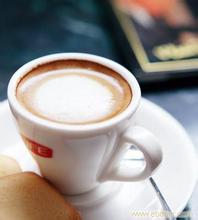
- First Approach: After steaming milk, let it sit for about 30 seconds. Use a spoon to hold back some of the foam, allowing the milk to mix with the espresso first. Then pour the foam over the top to create a smooth, white surface. Place a stencil (with a design cut out) about 1cm above the cup and dust cocoa powder or cinnamon through the holes to reveal the pattern.
- Second Approach: Skip the waiting step. Pour the milk foam directly onto the espresso but avoid creating a thick layer of white foam on the surface. Then place the stencil over the cup and dust the powder through to create your design.
Both methods rely on powdered flavorings like cocoa or cinnamon to highlight the cut-out areas of the stencil. It’s the easiest technique for beginners, requiring no special pouring skills—just a steady hand with the dusting.
Why These Methods Matter for Home Baristas
Each latte art method teaches you something different about handling milk, espresso, and presentation. Free pouring gives you control over the pour itself and how milk integrates with espresso. Etching lets you be creative once the drink is already prepared. Stenciling is a low-barrier way to decorate drinks consistently. Most professional baristas start with stencils or etching before advancing to free pour techniques.
Frequently Asked Questions
What’s the easiest latte art technique for beginners?
The stencil method is the easiest for most beginners. It requires no special pouring skills—just dusting cocoa or cinnamon powder through a patterned stencil onto steamed milk. It’s a great way to start decorating drinks without mastering milk flow or wrist movements.
Do I need a special espresso to make latte art?
Yes. You need an espresso with a stable, glossy crema—around 3mm thick. FrontStreet Coffee recommends using 20g of coffee to produce 40g of espresso in 25–30 seconds. The coffee should be medium to dark roasted to support good crema and milk integration.
What kind of milk works best for latte art?
Whole milk is ideal because it creates rich microfoam with the right balance of fat and protein. You’re aiming for steamed milk at 55–60°C with a smooth, velvety texture and small, uniform bubbles—what baristas call “microfoam.”
Can I practice latte art without an espresso machine?
You can practice etching and stenciling without an espresso machine by using strong brewed coffee and steamed milk. But free pour technique truly requires an espresso machine and proper milk steaming to work well.
How do I get better at free pour latte art?
Practice pouring from different heights and angles, and focus on controlling the milk flow with your wrist. Start with simple shapes and pour consistently into the center of the cup. Consistent practice is key—most baristas spend weeks perfecting the wrist motion and pour speed.
Recommended FrontStreet Beans for Latte Art
For latte art, choose FrontStreet Coffee’s Commercial Blend or Strawberry Candy Espresso. The Commercial Blend combines Brazilian, Colombian, and Robusta beans for bold crema, rich body, and classic Italian flavors like caramel and dark chocolate—perfect for holding latte designs. The Strawberry Candy Espresso features Costa Rican honey-processed beans with Yirgacheffe and Colombian beans, offering balanced fruitiness and a smooth, creamy texture with medium crema. Both blends support stable milk integration and help you pour consistent latte art. Freshly roasted within 5 days · Orders placed before 17:00 ship the same day · Next-day delivery across most of Guangdong Province.
FrontStreet Coffee is a long-established specialty coffee roaster in Guangzhou China, selling freshly roasted beans from its own farm in Yunnan as well as dozens of carefully selected single-origin beans from around the world for both pour-over and espresso. The products deliver consistently excellent quality and great value, with shipping within 24 hours. Guangzhou's FrontStreet Coffee shop is recommended by many coffee lovers, and the beans are now available online at the Tmall 。
Important Notice :
前街咖啡 FrontStreet Coffee has moved to new addredd:
FrontStreet Coffee Address: 315,Donghua East Road,GuangZhou
Tel:020 38364473