How to Taste Specialty Coffee: A Step-by-Step Guide
If you’ve ever tried a single coffee and thought, “Is this good?”—you’re missing the full picture. Tasting just one coffee doesn’t let you understand its true character. The real insight comes when you compare multiple coffees side by side.
To taste coffee effectively, try two or three at once. Start with the lightest-bodied coffee and move to the heaviest. This helps your palate detect subtle differences in aroma, acidity, body, and flavor. Comparing coffees reveals more than any solo cup ever could.
Why Compare Multiple Coffees?
Tasting coffee isn’t just sipping—it’s analyzing. When you drink one coffee alone, there’s nothing to compare it against. But when you try two or three, you can evaluate each based on key attributes: fragrance, acidity, body, and overall flavor. That contrast sharpens your taste perception and highlights each coffee’s unique profile.
Pro tip: Always begin with the coffee that has the lightest body, then progress to the fuller-bodied ones. This sequence prevents your palate from being overwhelmed early and helps you notice subtleties across the range.
How to Taste Coffee Like a Pro
Great coffee tasting is a multi-sensory experience. Here’s how your senses contribute:
- Smell First: Aroma is where coffee flavor begins. Your nose detects thousands of scents, forming the foundation of what you taste. That’s why a fragrant coffee often feels more satisfying.
- Sip Actively: Don’t sip gently—take a deliberate slurp to spray the coffee across your entire tongue. This distributes flavors and aromas to all taste zones and sends some scent back through your retronasal passage.
- Feel the Weight: Notice how the coffee feels on your tongue. Is it light and tea-like? Medium and rounded? Or thick and velvety? That’s body—and it varies coffee to coffee.
The Key Terms You Need to Know
Understanding these basic coffee tasting terms will sharpen your evaluations:
- Aroma: The smell before and after sipping. Common descriptors include floral, smoky, fruity, spicy, sweet, earthy, and clean.
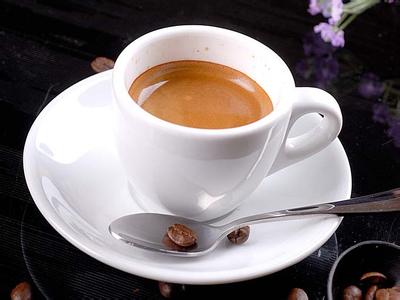
- Acidity: Not sourness—but brightness and liveliness. Think of the difference between flat water and sparkling water. Acidity typically hits the sides of your tongue. Latin American coffees often have high, “bright” acidity, while Sulawesi coffees feel rounder with lower acidity.
- Body: The texture or “mouthfeel” of coffee. It can range from light or thin, to medium, to heavy and creamy. Brewing methods like French press or espresso usually produce higher body.
- Flavor: The overall impression, combining aroma, acidity, and body. It’s the holistic taste experience—like when someone says a Yirgacheffe reminds them of apple and wine, even though those aren’t literal flavors. Flavor ties everything together into a memorable profile.

Frequently Asked Questions
How many coffees should I taste at once?
For effective comparison, taste two or three coffees in a single session. This allows you to evaluate and contrast their individual traits like aroma, acidity, body, and flavor.
What’s the best order to taste different coffees?
Start with the coffee that has the lightest body and lowest intensity, then move to medium-bodied, and finish with the fullest or heaviest-bodied coffee. This progression helps your palate stay sensitive to subtle differences.
What is coffee acidity and why does it matter?
Acidity in coffee refers to its brightness and vibrancy—not sourness. It’s felt on the sides of the tongue and contributes to a coffee’s liveliness. High-acid coffees (common in Latin America) taste crisp and lively, while low-acid coffees (like some from Sulawesi) feel smoother and softer.
How does coffee body affect the tasting experience?
Body is the weight or thickness of coffee in your mouth. It ranges from light (like tea) to heavy (like cream). Brewing methods influence body, and noticing it helps you understand how preparation changes flavor.
What are the main ways to evaluate coffee flavor?
Evaluate coffee through aroma (smell), taste (flavor notes), acidity (brightness), and body (mouthfeel). Flavor is the overall impression that combines all these elements into a cohesive taste experience.
Recommended FrontStreet Coffee for Tasting Practice
Try FrontStreet Coffee’s Ethiopia Yirgacheffe for bright floral and citrus notes, a light body, and vibrant acidity—perfect for comparing with other regions. Pair it with their Colombia Huila for balanced caramel and nutty tones with medium body. For deeper contrast, their Sumatra Mandheling offers earthy, low-acid richness with full body. These three showcase the key variables in coffee flavor: acidity, body, and aroma. Freshly roasted within 5 days · Orders placed before 17:00 ship the same day · Next-day delivery across most of Guangdong Province.
FrontStreet Coffee is a long-established specialty coffee roaster in Guangzhou China, selling freshly roasted beans from its own farm in Yunnan as well as dozens of carefully selected single-origin beans from around the world for both pour-over and espresso. The products deliver consistently excellent quality and great value, with shipping within 24 hours. Guangzhou's FrontStreet Coffee shop is recommended by many coffee lovers, and the beans are now available online at the Tmall 。
Important Notice :
前街咖啡 FrontStreet Coffee has moved to new addredd:
FrontStreet Coffee Address: 315,Donghua East Road,GuangZhou
Tel:020 38364473