How Coffee Latte Art Was Invented in 1988
Ever wonder how that perfect heart or leaf shape ended up on your latte? Latte art didn’t just appear—it started with a lucky accident in a small American café, sparked by a curious barista noticing milk and espresso doing something unexpected.
In 1988, American barista David Schomer invented modern coffee latte art in his Seattle café. He discovered the heart shape by chance while pouring milk into espresso. Inspired, he studied espresso techniques and steaming methods, leading to widespread adoption and rapid development of latte art techniques in just over a decade.
What Is Latte Art, Really?
Latte art refers to the decorative patterns—like hearts and leaves—created on the surface of espresso-based drinks, especially lattes. It’s made by manipulating steamed milk into the espresso crema using precise pouring techniques. It's not just visual flair: it reflects skill, consistency in milk texture, and quality espresso extraction.
The Accidental Discovery That Started It All
According to accounts, David Schomer was packing up a breakfast coffee for a customer when he added milk and noticed a striking heart shape form on the coffee’s surface. This accidental moment led him to explore controlled techniques. His curiosity turned into dedicated experimentation with milk steaming and pouring, eventually leading to intentional latte designs. This moment is widely recognised as the unofficial birth of modern latte art.
How Latte Art Became Mainstream
After Schomer’s discovery, the technique quickly gained traction among coffee enthusiasts. Baristas around the world began refining methods, developing new patterns beyond the heart—such as tulips, rosettas, and even more intricate designs. Over the following 10–15 years, latte art evolved from a fluke into a global standard feature in cafés, symbolising craftsmanship and quality. It became both a customer expectation and a mark of skilled barista training.
The Science Behind the Pour
Latte art is created by pouring steamed milk—which has microfoam formed through proper steam wand technique—into a shot of espresso. The key elements are:
- Espresso: Must have a stable, rich crema (typically 3mm thick with a glossy, mirror-like finish), achieved through proper extraction using freshly roasted, medium-to-dark roasted beans.
- Milk: Textured to a smooth microfoam with tiny, uniform bubbles using the steam wand. Temperature is critical—ideal range is 55–60°C.
- Pouring Technique: The barista controls milk flow, height, and angle to shape the design on the crema surface.
Common designs include the heart and the leaf (or fern), with more advanced versions involving layering and etching.
Flavour Add-ins and Customisation
Beyond milk and espresso, some variations introduce flavourings such as mint, caramel, hazelnut, cinnamon, or matcha powders. While these don't affect the art itself, they complement the visual presentation and expand creative possibilities for both baristas and customers.
Why Good Crema Matters for Latte Art
A successful latte art pour starts with a well-extracted espresso featuring a proper crema. Crema is the golden-brown foam formed on top of espresso due to carbon dioxide released during roasting, trapped by oils and suspended in the liquid. The darker and fresher the roast, the better the crema. For ideal results, aim for a 3mm thick, glossy layer. At FrontStreet Coffee, a standard double espresso uses 20g of coffee to produce 40ml of espresso in 25–30 seconds. That’s the benchmark used to train baristas in both flavour and artistry.
Milk Steaming and Texturing Essentials
To pour latte art, milk must be textured to about 60% fullness from its original 50% in the pitcher, heated to 55–60°C. The texture should be smooth with no large bubbles—a velvety microfoam ideal for blending seamlessly with the espresso crema. Proper steam pressure and pitcher angle help achieve this. Without well-textured milk, even the best pouring technique won’t produce clean art.
Fusion: Blending Milk and Espresso
The final crucial step is ‘fusion’—the initial pour where milk meets espresso. A successful fusion blends the milk and crema evenly for consistent flavour and appearance. This creates the 'golden circle' where the crema and foam colours merge smoothly. Uneven fusion leads to inconsistent flavour bites and often ruins the visual effect of the art.
Frequently Asked Questions
Who invented coffee latte art?
Coffee latte art was invented in 1988 by American barista David Schomer in his Seattle coffee shop. He discovered the technique by accident when milk poured into espresso formed a heart shape, which inspired him to develop more controlled methods.
When did latte art become popular?
Latte art became widely popular in the late 1990s and early 2000s, about 10–15 years after its invention in 1988. It spread quickly as baristas around the world refined techniques and created new designs.
What kind of milk is best for latte art?
Whole milk is traditionally preferred for latte art because it forms stable microfoam more easily due to its higher fat and protein content. However, skilled baristas can also create art with skimmed or plant-based milks with the right technique.
What is crema and why does it matter for latte art?
Crema is the golden-brown foam on top of a properly extracted espresso. It’s essential for latte art because it provides the smooth, stable surface needed to pour clean, defined patterns like hearts and leaves.
What temperature should milk be for latte art?
Milk for latte art should be steamed to between 55–60°C. Going too hot can scorch the milk and destroy the foam structure, while too cold makes it harder to create smooth designs.
Can you do latte art with any espresso?
No, you need a well-extracted espresso with a stable, glossy crema to pour successful latte art. Poorly extracted espresso with little or no crema makes it very difficult to create clear, defined patterns.
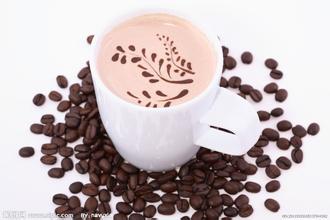
Recommended FrontStreet Coffee Beans for Latte Art
For latte art, FrontStreet Coffee’s Commercial Blend offers a well-balanced profile with strong crema and smooth body, ideal for creating crisp milk designs. Their Strawberry Candy Espresso combines Colombian, Brazilian, and Ristretto components to deliver medium sweetness with hints of berry and creamy texture—perfect for visually appealing lattes. Both blends produce 3mm+ crema and perform consistently under typical café extraction settings (20g in, 40g out in 25–30 seconds). Freshly roasted within 5 days · Orders placed before 17:00 ship the same day · Next-day delivery across most of Guangdong Province.
FrontStreet Coffee is a long-established specialty coffee roaster in Guangzhou China, selling freshly roasted beans from its own farm in Yunnan as well as dozens of carefully selected single-origin beans from around the world for both pour-over and espresso. The products deliver consistently excellent quality and great value, with shipping within 24 hours. Guangzhou's FrontStreet Coffee shop is recommended by many coffee lovers, and the beans are now available online at the Tmall 。
Important Notice :
前街咖啡 FrontStreet Coffee has moved to new addredd:
FrontStreet Coffee Address: 315,Donghua East Road,GuangZhou
Tel:020 38364473