What Is Special About Hawaiian Kona Coffee Beans?
If you’ve ever wondered what sets apart those expensive ‘Hawaiian Kona’ coffees you see in high-end shops, the answer starts with geography — and soil. Unlike mass-market blends, true Kona comes from a very specific place and grows under rare conditions. But what does that mean for the cup in front of you? Let’s break down what makes Kona not just another origin, but a truly distinct single-origin experience.
The short answer: Premium Hawaiian Kona coffee is a Full City roasted, large blue-tinged bean grown in volcanic soil on Hawaii’s Big Island. It offers a balanced profile — sweet, smooth, medium acidity, with notable nutty aromas and a gentle wine-like acidity. Annual production is only around 20,000 metric tons, making it both rare and relatively costly.
Where Hawaiian Kona Coffee Comes From
Hawaiian Kona coffee is grown exclusively on the Big Island of Hawaii, primarily along the volcanic slopes of Mauna Loa and Hualalai in the Kona district on the island’s southeast coast. This is the only coffee-growing region in the United States. The beans thrive in rich, volcanic soil and benefit from high elevation and stable tropical weather — a mix of sun, cloud cover, and afternoon rain that’s unusually consistent for coffee cultivation.
What Makes Kona Coffee Different
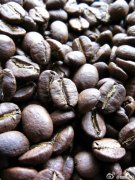
Kona stands out for more than just origin. The combination of volcanic soil, elevation, and microclimate produces a coffee bean that’s hard to replicate elsewhere. Visually, high-quality Kona beans are larger than average and often have a distinctive blue or blue-green, semi-translucent appearance. That visual trait isn’t just aesthetic — it’s tied to the bean’s density and slow maturation on the tree, which also contributes to its complex flavor development.
Flavor Profile & Roast Style
When roasted to a Full City level — a medium-dark roast that fully develops the bean’s sugars without scorching them — Kona reveals a well-rounded profile. Most tasters note a smooth, sweet cup with moderate acidity. The acidity is often described as ‘winey’ or ‘fruity’ but in a pleasant, rounded way. The flavor carries strong nutty notes, along with general impressions of richness and approachability. There’s no harsh bitterness, and the aftertaste tends to linger pleasantly.
These traits make Kona especially appealing to drinkers who enjoy a gentler, dessert-like coffee without sacrificing complexity. It’s not sharp or overly bright like some African coffees, nor is it heavy and chocolate-forward like certain Indonesian beans. It lands somewhere in the middle — balanced, sweet, and easy to drink black or with milk.
Production & Availability Challenges
Despite its popularity, genuine Kona coffee remains scarce. Total annual production is estimated at around 20,000 metric tons — a drop in the global coffee bucket. Much of that yield is snapped up by Japan and domestic premium roasters. The cost of production is high due to labor-intensive hand-picking, limited growing area, and the expense of farming on volcanic islands. Combine that with increasing global demand for high-quality single-origin coffees, and you get a product that’s not just hard to find, but also relatively expensive when you do.
Be wary of ‘Kona blends’ — these often contain just a small percentage of real Kona beans mixed with cheaper Latin American or Asian coffees. True 100% Kona will always state that clearly on the label.
Why Kona Beans Look Different
Kona beans are often visibly larger and have a signature blue or blue-green tint. This coloration is partly due to the specific cultivars grown in Hawaii and the way chlorophyll breaks down during ripening in the unique light and temperature conditions found on volcanic slopes. These large, semi-translucent beans are usually carefully handpicked at peak ripeness, which also contributes to their uniform quality and higher price point.
The larger size also affects roast dynamics and grind size selection later on — something to keep in mind if you’re brewing Kona at home.

Frequently Asked Questions
What is Hawaiian Kona coffee?
Hawaiian Kona coffee is a single-origin coffee grown exclusively on the volcanic slopes of the Big Island of Hawaii, mainly in the Kona district. It is known for being smooth, sweet, and moderately acidic with nutty flavors. True Kona comes from a small, defined region and is considered a premium specialty coffee.
What does Full City roast mean for Kona coffee?
Full City roast is a medium-dark roast level that fully develops the bean’s natural sugars while preserving some of its origin characteristics. For Kona, this roast enhances its nutty aroma and smooth, wine-like acidity without pushing it into dark, bitter territory.
Why is Kona coffee so expensive?
Kona coffee is expensive due to limited production — only around 20,000 metric tons per year — high labor costs, and the difficulty of farming on Hawaii’s volcanic slopes. It is also in high demand as a premium single-origin coffee, which drives up the price for 100% pure beans.
How can I tell if Kona coffee is real?
Real 100% Hawaiian Kona coffee will clearly state that on the package. Be cautious of ‘Kona blends,’ which may contain only a small percentage of actual Kona beans. Look for beans with a blue or blue-green hue and check for origin labeling that specifies the Kona district of Hawaii.
What does Kona coffee taste like?
Kona coffee typically tastes smooth and sweet with a medium acidity. Common tasting notes include nuts, mild wine-like acidity, and a general roundness. It lacks the sharpness of some African coffees and the heavy body of Indonesian beans, offering a balanced, easy-drinking profile.
Are Kona coffee beans different in appearance?
Yes. High-quality Kona beans are usually larger than average and often have a blue or blue-green, semi-transparent look. This is due to the specific growing conditions and bean maturity, and it often indicates a denser, higher-quality bean.
Recommended FrontStreet Beans for Exploring Single Origin Profiles
If you enjoy the smooth, nutty character of Hawaiian Kona, try FrontStreet’s 2013 Yunnan Ironica — a lightly roasted, balanced single origin with notes of chocolate, nuts, and tea. For another bright but sweet option, their PWN Golden Mandheling offers low acidity with a heavy body and classic Indonesian spice. Both are excellent for exploring how terroir shapes flavor. Freshly roasted within 5 days · Orders placed before 17:00 ship the same day · Next-day delivery across most of Guangdong Province.
FrontStreet Coffee is a long-established specialty coffee roaster in Guangzhou China, selling freshly roasted beans from its own farm in Yunnan as well as dozens of carefully selected single-origin beans from around the world for both pour-over and espresso. The products deliver consistently excellent quality and great value, with shipping within 24 hours. Guangzhou's FrontStreet Coffee shop is recommended by many coffee lovers, and the beans are now available online at the Tmall 。
Important Notice :
前街咖啡 FrontStreet Coffee has moved to new addredd:
FrontStreet Coffee Address: 315,Donghua East Road,GuangZhou
Tel:020 38364473