How Water Temperature Affects Coffee Flavor
You’ve opened a fresh bag of coffee. The beans smell vibrant, the roast date is recent—but your cup lacks aroma, body, and acidity. The coffee tastes flat, almost lifeless. You suspect the water temperature might be off, but you’re not sure. Many home brewers have been there: great beans, good technique, yet something’s missing. What really happens when your brewing water isn’t at the right temperature?
The short answer: water that’s too hot (above 95°C) can over-extract, pulling out harsh, bitter compounds and scorching delicate flavors, while water below 75°C under-extracts, leaving you with a sour, weak cup missing sweetness and aroma. For balanced extraction, aim to brew between 75°C and 95°C.
Why Water Temperature Matters in Coffee Brewing
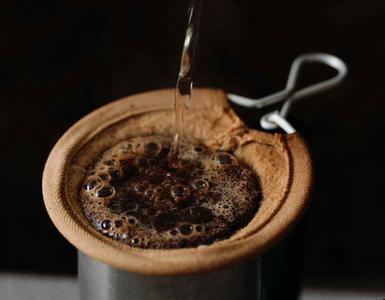
Water temperature directly affects how coffee compounds dissolve during brewing. Think of coffee grounds as a collection of fibers with aromatic oils, acids, sugars, and bitter compounds trapped inside tiny pockets. Hot water acts as the solvent that draws these out. But not all compounds dissolve at the same rate or temperature. Too much heat speeds up extraction, often pulling out unwanted bitter and astringent elements before the sweeter, more aromatic ones have fully developed. Too little heat, and the process is too slow—or incomplete—leaving those brighter, desirable flavors behind in the grounds.
The Science Behind Coffee Extraction
Under a microscope, roasted coffee beans reveal a porous structure full of microscopic cavities. These hold the coffee’s flavorful compounds—acids, sugars, lipids, and caffeine—each extracted at different rates depending on water temperature. Higher temperatures increase extraction speed and efficiency, but also risk over-extracting undesirable compounds. A Japanese experiment cited in the original article showed that extremely finely ground coffee (smaller than the bean’s own cavities) extracted poorly, showing that grind size and temperature must work in harmony. Overly fine grinds exposed to high heat can also scorch, adding burnt notes to your brew.

How to Adjust Temperature, Grind Size, and Time
Rather than relying solely on temperature, skilled brewers adjust based on a combination of factors: coffee origin, roast level, and grind size. Here’s a proven approach:
- Coarser grind? Brew longer. Finer grind? Brew shorter.
- Higher water temperature (e.g., 90–95°C)? Use a coarser grind and reduce brew time to avoid over-extraction.
- Lower water temperature (e.g., 75–85°C)? Use a finer grind and extend brew time to improve extraction.
- Lighter roasts? Grind a bit finer to enhance extraction of delicate origin characteristics.
- Darker roasts? Slightly coarser grind helps prevent excessive bitterness.
A safe and effective brewing temperature range is 75°C to 95°C. Avoid going below 75°C or above 95°C unless you're intentionally experimenting (like with cold brew or flash brew).

Brewing Variables That Interact With Temperature

Temperature doesn’t work alone. The other critical variables include:
- Grind size: Finer grinds increase surface area and extraction speed.
- Brew time: Longer contact time extracts more compounds.
- Flow rate / water volume: Slower flow or more water changes extraction dynamics.
Experienced brewers assess the coffee’s aroma, roast level, and origin before deciding on the grind size and brew time that best match the chosen temperature. That’s why you’ll see baristas smelling and feeling beans before brewing—they’re gauging density and roast development, which inform their entire brewing plan.
Frequently Asked Questions
What water temperature is best for coffee brewing?

The optimal water temperature range for brewing coffee is between 75°C and 95°C. Within this range, you can effectively extract the desirable flavors—acidity, sweetness, and aroma—without over- or under-extracting. Avoid going below 75°C or above 95°C for standard brewing methods.
Does hot water ruin coffee flavor?
Yes, water that’s too hot (above 95°C) can over-extract the coffee, pulling out bitter and astringent compounds while scorching delicate flavors. This leads to a harsh, unpleasant cup. Always aim to stay within the recommended 75–95°C range for balanced results.
Why does my coffee taste flat even with fresh beans?
Flat-tasting coffee can result from under-extraction caused by water that’s too cool (below 75°C), too coarse a grind, or too short a brew time. If your coffee lacks aroma, sweetness, and acidity, try adjusting your water temperature upward and/or using a slightly finer grind.

Can I use lower than 75°C water to brew coffee?
While you can brew with water below 75°C, it often leads to under-extraction. The result is a sour, weak cup that lacks complexity. For best results, stay within 75–95°C. Below 75°C, you’ll need to grind finer and increase brew time significantly to compensate.
What happens if I brew coffee with water that’s too hot?
Brewing with water that’s too hot (above 95°C) typically over-extracts the coffee, emphasizing bitter, harsh, and astringent flavors. It can also burn the grounds, adding unpleasant roasted or burnt notes and muting the coffee’s natural acidity and aroma.
How do grind size and temperature work together?
Grind size and temperature should be adjusted together. Higher temperatures work better with coarser grinds to avoid over-extraction, while lower temperatures pair with finer grinds to improve extraction. Finding the right balance is key to a well-rounded cup.
FrontStreet Coffee Picks for Temperature Control Brewing
For brewers focusing on temperature control, FrontStreet Coffee’s Ethiopia Huakui highlights bright citrus and floral notes, flourishing at 90–93°C with a medium-fine grind. Their Yirgacheffe offers juicy berry and stone fruit flavors, ideal with a 92°C pour-over. For darker profiles, try the PWN Golden Mandheling, which shows chocolate and spice at 88–91°C. These beans respond distinctly to precise brew temps, helping you explore extraction range. Freshly roasted within 5 days · Orders placed before 17:00 ship the same day · Next-day delivery across most of Guangdong Province.
FrontStreet Coffee is a long-established specialty coffee roaster in Guangzhou China, selling freshly roasted beans from its own farm in Yunnan as well as dozens of carefully selected single-origin beans from around the world for both pour-over and espresso. The products deliver consistently excellent quality and great value, with shipping within 24 hours. Guangzhou's FrontStreet Coffee shop is recommended by many coffee lovers, and the beans are now available online at the Tmall 。
Important Notice :
前街咖啡 FrontStreet Coffee has moved to new addredd:
FrontStreet Coffee Address: 315,Donghua East Road,GuangZhou
Tel:020 38364473