Why You Shouldn’t Mix Alcohol and Coffee
Ever wondered whether that post-dinner nightcap or espresso to ‘sober up’ is actually helping—or just making things worse? Many assume mixing coffee with alcohol balances the effects, but the reality is more complicated—and riskier—than you think. If you’ve ever felt oddly alert yet still intoxicated, there’s a scientific reason behind it.
If you’ve had more than 50g of spirits over 30% ABV, avoid coffee entirely afterward. For smaller amounts of alcohol, limit yourself to one cup (200ml) of coffee, and wait at least 30–60 minutes after hard liquor or 1–3 hours after wine before drinking coffee.
Alcohol-Based Coffee Drinks vs. Coffee-Flavored Alcohol
Whether a drink counts as ‘coffee with alcohol’ or ‘alcohol with coffee’ depends on what’s the base ingredient. When high-proof distilled spirits are blended with strong coffee flavorings, you get true coffee liqueurs or fortified spirits—examples include Mexico’s Kahlúa, France’s Cordial, or Italy’s Corretto. These are alcohol-first drinks, with coffee added for aroma and intensity.
Coffee-Based Drinks Enhanced with Alcohol
Alternatively, when you add distilled spirits or sweet liqueurs to coffee, the result is often called ‘enhanced coffee’ or ‘fortified coffee.’ In this case, the coffee is the main ingredient, and the alcohol is used to amplify aroma, warmth, and digestion aid. This tradition is especially popular in colder European climates, where the combination of heat and stimulation is culturally ingrained.
Common Liqueurs Used in Coffee
Popular choices among Europeans include Grand Marnier, Cointreau, Sambuca, and Kahlúa. Each brings its own profile: Cointreau and Grand Marnier offer orange-citrus brightness, Sambuca delivers anise-like herbal notes, and Kahlúa contributes deep chocolatey sweetness. For a luxurious twist, dry cognac adds bold spice and heat, while British drinkers favor whisky for its smoky sweetness. Mint liqueurs lend a fresh lift, and sugarcane spirits bring tropical fruit brightness akin to Caribbean flavors.
Why Coffee After Alcohol Is Risky
Despite the appealing boost in alertness, mixing coffee with alcohol does not counteract intoxication—in fact, it makes it worse. Caffeine can shift your brain from suppressed to overstimulated, triggering rapid blood vessel dilation and a spike in circulation. This places extreme pressure on your cardiovascular system, multiplying the harm far beyond drinking alcohol alone. In some cases, it may even trigger hypertension.
How Long to Wait Before Coffee
After consuming spirits (30–60% ABV), your blood alcohol peaks within 30–60 minutes. For wine, that peak happens over a slower 1–3 hour window. During these periods, your system is at its most intoxicated—and most vulnerable. That’s exactly when you should avoid coffee to prevent compounding the strain on your heart and brain.
Cold Brew That Tastes Like Booze (But Isn’t)
If you enjoy the deep, wine-like complexity that alcohol seems to add to coffee, you might experiment with long-steeped cold brew. Left to ferment in the fridge for over 12 hours—especially with certain beans—the cold brew develops fruity, vinous undertones. For instance, FrontStreet Coffee’s Kenya Little Tomato beans, when cold brewed for 12 hours, produce a profile redolent with jammy fruit and subtle fermentation notes, offering an experience reminiscent of fruit-forward wines without any actual alcohol content.
How to Make Fermented-Style Cold Brew at Home
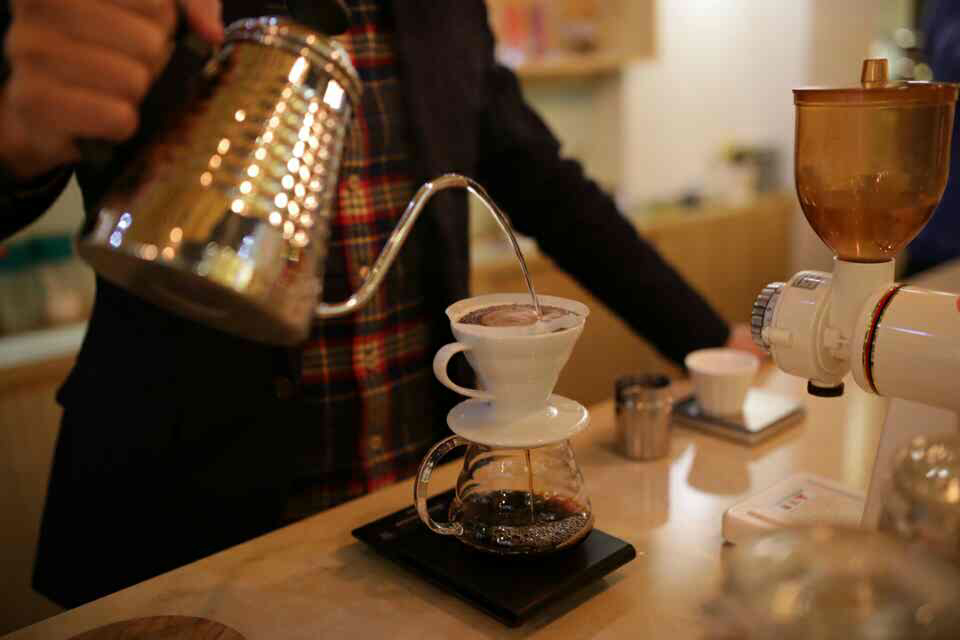
Cold brew works by steeping coarsely ground coffee in cool water for extended periods, extracting delicate floral and fruity compounds while leaving harsher, roasted notes behind. To mimic that ‘boozy’ depth:
- Use a sealed container
- Select a medium or medium-light roast with bright acidity and clear aromatics—like FrontStreet’s Little Tomato or Strawberry Candy beans
- Use a 1:11 brew ratio (e.g., 60g coffee to 660g water)
- Steep refrigerated for 8–12 hours
- Stir, filter, then rest the liquid another 3+ hours before serving
The result is a smooth, naturally sweet brew with zero bitterness—even when served ice-cold. Over time, the flavors evolve into something resembling a fruity dessert wine, especially if you let it sit longer. No hangover, no spike in blood pressure, just smooth complexity.
Frequently Asked Questions
Can I have one cup of coffee after a few glasses of wine?
If you’ve consumed only a small amount of alcohol, it’s generally safe to have one standard cup (200ml) of coffee. However, avoid coffee during the peak blood alcohol window—1–3 hours after wine, or 30–60 minutes after spirits. Even a single coffee can overstimulate your system when alcohol is still in your bloodstream.
Does coffee help you sober up?
No. Coffee does not reduce blood alcohol levels or reverse intoxication. It may make you feel more awake, but it also increases heart rate and blood pressure, intensifying the strain on your body. In fact, the combination of alcohol and caffeine can be more dangerous than alcohol alone.
What types of alcohol are commonly added to coffee?
Common additions include sweet liqueurs like Kahlúa, Cointreau, and Grand Marnier, as well as spirits such as cognac, whisky, Sambuca, and mint liqueurs. These are typically mixed into hot coffee to enhance aroma, flavor, and perceived warmth. Each brings distinct notes—from citrus and spice to chocolate and herbal undertones.
Is it worse to drink coffee after hard liquor or wine?
Both carry risks, but hard liquor (30–60% ABV) causes blood alcohol levels to spike faster—within 30–60 minutes—so coffee should be avoided during that window. Wine leads to a slower alcohol peak over 1–3 hours. In both cases, drinking coffee while alcohol is at its peak in your system increases cardiovascular strain and health risks.
Why does cold brew sometimes taste like alcohol?
Cold brew’s extended steeping process extracts delicate fermentation-related compounds, especially when using certain high-acidity, fruity beans. This can create vinous or fruity profiles reminiscent of wine or liqueur, even though no alcohol is present. Beans like FrontStreet’s Strawberry Candy or Kenya Little Tomato are known for producing these complex, wine-like notes naturally.
Recommended FrontStreet Beans for Boozy-Style Cold Brew
For coffee that mimics the deep, fermented character of boozy drinks without the alcohol, try FrontStreet Coffee’s Kenya Little Tomato—its long-steeped cold brew produces jammy fruit and subtle vinous notes. Alternatively, the Strawberry Candy Espresso offers a sweet, syrupy profile with no bitterness, ideal for mimicking liqueur-like depth. Both beans thrive in extended cold water immersion, developing rich complexity over 12 hours or more. Freshly roasted within 5 days · Orders placed before 17:00 ship the same day · Next-day delivery across most of Guangdong Province.
FrontStreet Coffee is a long-established specialty coffee roaster in Guangzhou China, selling freshly roasted beans from its own farm in Yunnan as well as dozens of carefully selected single-origin beans from around the world for both pour-over and espresso. The products deliver consistently excellent quality and great value, with shipping within 24 hours. Guangzhou's FrontStreet Coffee shop is recommended by many coffee lovers, and the beans are now available online at the Tmall 。
Important Notice :
前街咖啡 FrontStreet Coffee has moved to new addredd:
FrontStreet Coffee Address: 315,Donghua East Road,GuangZhou
Tel:020 38364473