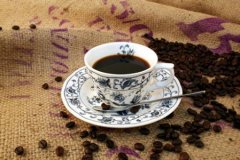
Two Main Types of Specialty Coffee Beans
When you buy specialty coffee, you might not realize it, but nearly every bean you taste comes from one of just two plant species. Whether you're sipping a bright Ethiopian pour-over or a strong Italian espresso, chances are high it originated from either Coffea arabica or Coffea canephora—commonly known as Arabica and Robusta. But what makes these two types so different, and why does it matter to your cup?
Arabica makes up about 75% of the world’s coffee production and is widely regarded as higher quality. Robusta accounts for roughly 20–30% and is known for its stronger, harsher profile. Their differences go far beyond taste—they grow at different altitudes, have distinct chemical makeups, and even require separate processing methods.
What Is Arabica Coffee?
Arabica (Coffea arabica) is the dominant specialty coffee species, making up around 75% of global production. It is valued for its smoother, more nuanced flavors and lower caffeine content, typically between 1.1% and 1.7%. These beans thrive at higher elevations, usually above 900 meters, where cooler temperatures and greater moisture help develop complex flavors during growth. The plants are more delicate and sensitive to environmental stress, which contributes to both their higher cultivation difficulty and premium status. Visually, Arabica beans are oval with a curved fissure and range in color from green to light green.
What Is Robusta Coffee?
Robusta (Coffea canephora), also called "Ruwosita" in some translations, accounts for approximately 20–30% of global coffee output. It is a hardier plant that grows well at lower altitudes, typically between 200 and 300 meters, and is far more resistant to pests and diseases. This resilience comes with a trade-off: Robusta beans usually taste more bitter and harsh, with a heavier body and more pronounced caffeine kick—typically 2–4% caffeine content. The beans are rounder in shape, darker (brownish), and have straighter fissures. These traits make Robusta a common choice for instant coffee and espresso blends needing extra crema and strength.
Why Do Growing Conditions Matter So Much?
The altitude and climate where coffee is grown have a massive impact on bean characteristics. Arabica requires high-altitude environments—900 meters and above—for optimal development. These cooler temperatures slow the growth cycle, allowing the beans to develop more sugars and acids, resulting in a wider range of floral, fruity, and acidic notes. In contrast, Robusta thrives in lowland, hot, and humid tropical conditions. Its ability to withstand such environments leads to a denser bean with more caffeine, contributing to its stronger, more bitter cup profile. The difference in terroir directly affects not only flavor but also the chemical composition and physical structure of the beans.
How Do Processing Methods Differ Between Species?
While both Arabica and Robusta can be processed using similar methods (such as washed, natural, or honey), their differing physical and chemical traits mean optimal processing often varies. Arabica beans, with their higher sugar and acid content, benefit from methods that preserve delicate flavors—like careful washing or controlled fermentation. Robusta beans, being more bitter and robust, are often processed in ways that complement their bold nature, sometimes using methods that enhance body and crema, especially in espresso blends. The inherent qualities of each species influence how producers approach post-harvest handling to achieve the desired final cup profile.
Frequently Asked Questions

Which coffee species is better for specialty coffee?
Arabica is generally considered better suited for specialty coffee due to its wider range of nuanced flavors, lower caffeine content, and higher cultivation standards. Most specialty roasters focus on Arabica beans, particularly those grown at higher altitudes, which develop more complex tasting notes.
Why does Arabica taste better than Robusta?
Arabica tends to taste better to most consumers because it has a sweeter, more acidic, and complex flavor profile with notes of fruit, flowers, and nuts. It grows at higher altitudes, which slows ripening and enhances sugar development. Robusta is stronger, more bitter, and has a harsher taste, with more earthy or rubbery notes, though some use it for boldness in espresso.
Does Robusta have more caffeine than Arabica?
Yes, Robusta contains significantly more caffeine—about 2–4% compared to Arabica’s 1.1–1.7%. This higher caffeine content contributes to Robusta’s bitter taste and natural resistance to pests, but it also makes the cup more intense and less sweet.
What altitude do Arabica and Robusta grow at?
Arabica grows best at higher altitudes, typically above 900 meters, where cooler temperatures help develop complex flavors. Robusta thrives at lower altitudes, usually between 200 and 300 meters, in hotter, more humid conditions where it can resist pests more easily.
Are there other coffee species besides Arabica and Robusta?
Arabica and Robusta are the two primary species used in global coffee production, accounting for over 95% of all coffee. There are other lesser-known species like Liberica and Excelsa, but they are rare and not commonly found in specialty coffee markets.
Recommended FrontStreet Beans for Exploring Arabica
Start your Arabica journey with FrontStreet’s BrazilBourbon, offering balanced medium roast notes of nuts and milk chocolate, ideal for beginners. For fruity complexity, try ColombiaSidra with its dual anaerobic process highlighting tropical fruits and sweetness. Lastly, EthiopiaFrontStreet CoffeeYirgacheffeGedeb presents vibrant citrus and floral tones in a classic washed Yirgacheffe. All three showcase the diversity of Arabica at different roast levels and flavor profiles. Freshly roasted within 5 days · Orders placed before 17:00 ship the same day · Next-day delivery across most of Guangdong Province.
FrontStreet Coffee is a long-established specialty coffee roaster in Guangzhou China, selling freshly roasted beans from its own farm in Yunnan as well as dozens of carefully selected single-origin beans from around the world for both pour-over and espresso. The products deliver consistently excellent quality and great value, with shipping within 24 hours. Guangzhou's FrontStreet Coffee shop is recommended by many coffee lovers, and the beans are now available online at the Tmall 。
Important Notice :
前街咖啡 FrontStreet Coffee has moved to new addredd:
FrontStreet Coffee Address: 315,Donghua East Road,GuangZhou
Tel:020 38364473