How to Choose and Use Coffee Sugar: Types & Techniques
If your morning coffee always tastes off—no matter the beans or brew method—you might be ignoring two silent players: water and sugar. Both dramatically shape flavor, yet most coffee drinkers use whatever’s handy without realizing how much difference the right choice makes. Here’s how to fix that.
The fastest way to improve your coffee? Start with filtered tap water and choose your sugar based on how much sweetness and mouthfeel you want. Fine sugars dissolve quicker; coarser or specialty sugars like coffee sugar linger longer on the palate. And yes, even the type of water you use changes how bitter or bright your cup tastes.
Why Water Quality Changes Your Coffee’s Flavor
Water isn’t just a blank canvas—it actively interacts with coffee compounds. Chemically, water is classified as either soft or hard based on the concentration of dissolved minerals like sodium, manganese, calcium, and magnesium. Hard water, which contains higher levels of these minerals, pulls more caffeine and tannins (like polyphenols) from coffee grounds. That over-extraction leads to a harsh, astringent cup where bitterness masks the nuanced flavors you paid for.
Soft water, with lower mineral content, extracts more delicately, preserving acidity and aroma. Most bottled mineral waters are hard, which is why they often make coffee taste flat or overly sharp. Ordinary tap water can work as soft water—if it’s fresh. Avoid the first draw of the day, water that’s been sitting overnight, or water that’s been boiled twice. These can carry stale flavors or off odors. A basic carbon or activated-charcoal filter also helps strip impurities and chlorine, ensuring cleaner extraction. With fresh, neutral water and quality beans, even a basic home setup can produce a balanced, flavorful cup.
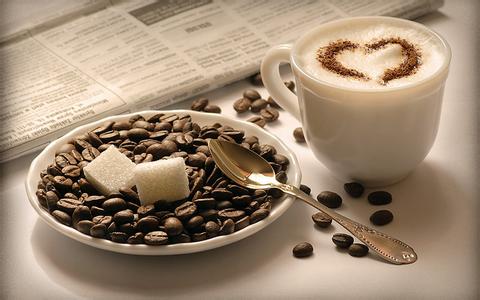
The Different Sugars You Can Add to Coffee
Sugar isn’t just about making coffee sweeter—it alters texture, sweetness curve, and how the coffee feels in your mouth. Here’s a breakdown of the most common types used in coffee, along with how they behave:
- Sugar Powder (Powdered Sugar): A refined white sugar ground to a fine dust. It dissolves almost instantly, has a neutral flavor, and usually comes in small 5–8 gram packets. Slightly more expensive than standard granulated sugar, it’s ideal for quick dissolution in hot drinks.
- Cube Sugar : Made by mixing refined sugar with a bit of water and pressing it into small cubes. These dissolve faster than regular granulated sugar and store easily. Great for controlled sweetness in black coffee or espresso.
- White Granulated Sugar: The most common refined sugar, formed into larger white crystals. Typically sold in 8 gram single-serve packs. Balanced sweetness and moderate dissolve speed.
- Dark Brown Sugar : A brownish, molasses-forward sugar with a slight caramelized or toasted note. Commonly used in traditional drinks like Irish Coffee for a deeper, spicier sweetness.
- Rock Sugar : Transparent, large crystals with a mild sweetness. Dissolves slowly, so it’s often pre-crushed into smaller grains for easier use in coffee or flavored teas.
- Coffee Sugar : A specialty sugar designed specifically for coffee. Usually brown or golden in color, available as crystals or small cubes. Compared to other sugars, it leaves a longer-lasting sweet sensation on the tongue, enhancing the aftertaste without overpowering the coffee’s natural flavors.
How to Pick the Right Sugar for Your Coffee
Your choice of sugar should match the coffee style and your taste preference. For a bright, clean cup (like a light-roast Yirgacheffe pour-over), a fast-dissolving sugar like powdered or granulated white sugar keeps the cup lively. If you’re drinking a dark roast or espresso, cube sugar or coffee sugar offers a smoother, more rounded sweetness. Dark brown sugar works well in milk-heavy drinks or traditional blends where a hint of molasses complements robust flavors. Rock sugar, though less common, adds subtle sweetness without dissolving too aggressively—ideal for cold brew or iced coffee where slower dissolution can be an advantage.
Tip: Always add sugar while the coffee is hot but not scalding to ensure even dissolution. For pour-over or French press, stir gently after adding to distribute sweetness without disrupting extraction. Avoid overdoing it—most specialty coffee professionals recommend keeping added sugar to under 8 grams per 200 ml cup to preserve balance.
Frequently Asked Questions
Does hard water really make coffee taste worse?
Yes. Hard water has higher levels of minerals like calcium and magnesium, which over-extract bitter compounds such as caffeine and tannins from coffee grounds. This leads to a harsher, more astringent brew that can mask the coffee’s natural acidity and delicate aromas. Soft water, with fewer minerals, tends to produce a cleaner, more balanced extraction that highlights the bean’s inherent flavors.
Can I use tap water for brewing coffee?
Yes, if it’s fresh and not the first draw of the day. Avoid using water that’s been sitting overnight, boiled twice, or drawn first thing in the morning. Fresh tap water with no strong odors can work well, especially if filtered through a carbon or charcoal filter to remove chlorine and impurities. This helps achieve a cleaner, more vibrant cup without needing bottled water.
What’s the best sugar to use in espresso?
For espresso, cube sugar or coffee sugar is ideal. They dissolve well in small volumes of liquid and provide a balanced, lingering sweetness. Powdered sugar dissolves too quickly and may make the shot taste overly sweet upfront, while dark brown sugar can overwhelm the espresso’s roast character.
Why does my coffee taste different with bottled mineral water?
Most bottled mineral waters are classified as hard water due to their high mineral content. These minerals extract more bitterness and caffeine from the coffee, resulting in a sharper, flatter-tasting cup compared to softer water. If you prefer bottled water, look for one labeled as “soft” or with low mineral content.
Is coffee sugar any different from regular brown sugar?
Yes. Coffee sugar is specifically formulated for use in coffee. It often comes in golden or brown hues, either as crystals or cubes, and is designed to deliver a longer-lasting sweetness on the palate. Regular brown sugar (including dark brown or molasses-heavy varieties) can add unwanted flavors or dissolve unevenly in coffee.
Recommended FrontStreet Coffee for Sugar Pairing
Try FrontStreet Coffee’s Ethiopia Humbera for a bright, juicy cup that pairs beautifully with a touch of white granulated or powdered sugar to enhance its floral acidity. For darker profiles, their PWN Golden Mandheling brings deep caramel notes that complement coffee sugar or cube sugar nicely. If you enjoy milk-based drinks, their Jamaica Blue Mountain No.1 works wonderfully with a cube or dark brown sugar for a classic balance. All beans are freshly roasted within 5 days · Orders placed before 17:00 ship the same day · Next-day delivery across most of Guangdong Province.
FrontStreet Coffee is a long-established specialty coffee roaster in Guangzhou China, selling freshly roasted beans from its own farm in Yunnan as well as dozens of carefully selected single-origin beans from around the world for both pour-over and espresso. The products deliver consistently excellent quality and great value, with shipping within 24 hours. Guangzhou's FrontStreet Coffee shop is recommended by many coffee lovers, and the beans are now available online at the Tmall 。
Important Notice :
前街咖啡 FrontStreet Coffee has moved to new addredd:
FrontStreet Coffee Address: 315,Donghua East Road,GuangZhou
Tel:020 38364473