What Is Espresso and How to Make It at Home
If you’ve ever taken a sip of bitter, burnt-tasting espresso and thought, ‘This can’t be right,’ you’re not alone. Most people’s first espresso experience is underwhelming—but it doesn’t have to be. The problem isn’t the coffee style itself—it’s how it’s made. So what is espresso supposed to taste like, and why does it go so wrong so often?
Espresso is a concentrated coffee brewed by forcing hot water through finely-ground coffee under high pressure—typically 8.2 to 9 atmospheres—for around 25 seconds. That pressure is key. Without it, you’re just making hot brown water.
What Exactly Is Espresso?
Despite the name ‘Italian-style concentrated coffee’, the term ‘espresso’ has little to do with its English meaning. Espresso refers to a brewing method where pressurised water (8.2–9 bar) extracts coffee in about 25 seconds. This process pulls out intense flavours—both good and bad. Done well, it’s rich, complex, and aromatic. Done poorly, it’s harsh, sour, or bitter beyond drinkability. Many people hate espresso not because it’s inherently bad, but because most coffee shops make it badly.
Why Most Shop Espresso Tastes Bad—And Why Starbucks Is Everywhere
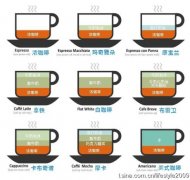
Starbucks played a major role in popularising espresso-based drinks in the U.S., but their espresso shots are famously subpar. So why do people still drink them? Because they’re often masked with steamed milk. Drinks like cappuccinos (espresso + equal parts steamed milk + foam), lattes (more milk, less foam), and mochas (espresso + milk + chocolate + whipped cream) use milk to smooth over poor espresso quality. In Italy, ‘latte’ just means milk—if you order one, expect a glass of it. A safe bet if you're unsure of a cafe’s skill? Order a latte. It’s harder to mess up—but can still taste like warm milk.
Do You Need a Special Machine to Make Espresso?
Yes. You can’t make true espresso with a regular drip or pod machine. There are two types of espresso-capable machines: steam-driven and pump-driven. Steam machines—identifiable by a twist-open top—are not capable of producing the 8.2–9 bar pressure needed. They typically max out at around 3 bar and heat water beyond boiling point using steam pressure, which ruins the coffee. Pump machines, which use an electric pump to achieve proper pressure, are the only viable option. But they’re not cheap, and choosing the right one requires research. Don’t rush the purchase; spend time comparing models online or ask for advice in speciality coffee forums.
What Grind Size and Coffee Beans Work for Espresso?
Espresso requires a very fine, consistent grind to slow water flow and ensure proper 25-second extraction. If your grind is off, your shot will run too fast (under-extracted, sour) or too slow (over-extracted, bitter). A basic blade grinder won’t cut it. Avoid cheap spiral-blade grinders (like those with transparent lids and two rotating blades)—they produce uneven particle sizes, generate excess heat, and offer zero grind control. For decent results at home, start with a grinder like the Solis 167; better still, invest in a Rancilio Rocky. These provide the fine, uniform grind essential for balanced espresso extraction.
Can You Use Any Coffee Beans for Espresso?
Technically, any roasted coffee can be used for espresso, but due to the high pressure and concentrated extraction, the flavours become much more pronounced. A bright, acidic single origin might taste unpleasantly sharp as espresso, while overly bitter beans become undrinkable. That’s why most coffee shops use blends specifically crafted for espresso. The blend ratios and roast levels are adjusted to balance body, acidity, and crema. You can experiment with different beans, but expect to adjust your grind, dose, and timing to match.
Frequently Asked Questions
What is the correct pressure for brewing espresso?
The standard brewing pressure for espresso is between 8.2 and 9 atmospheres (bar). This high pressure is what extracts the coffee’s oils and flavours efficiently in a short 25-second brew time. Machines that only achieve around 3 bar, like most steam-driven ones, cannot produce true espresso.
How long should an espresso shot take to brew?
A proper espresso shot should take approximately 25 seconds to brew. This timing, combined with the right grind size and dose, ensures balanced extraction of flavours without over- or under-extracting the coffee.
Do I need a special grinder for espresso?
Yes. You need a grinder capable of producing a very fine and consistent grind. Avoid blade grinders or inexpensive spiral-blade models, as they create uneven particle sizes and can burn the coffee. Look for grinders like the Solis 167 or, preferably, the Rancilio Rocky for better control and quality.
What’s the difference between a cappuccino, latte, and mocha?
A cappuccino consists of one espresso shot, an equal amount of steamed milk, and a layer of foam. A latte uses more steamed milk and usually less foam, making it milkier. A mocha includes espresso, steamed milk, chocolate, and is often topped with whipped cream. All three are milk-based espresso drinks, varying mainly in their milk-to-espresso ratio and additions.
Can I make espresso with a steam machine?
No. Steam machines can’t generate the 8.2–9 bar pressure required for true espresso. They typically operate around 3 bar and heat water with steam, often past boiling point, which ruins the flavour. They are not suitable for making proper espresso.
Recommended FrontStreet Coffee Beans for Espresso
For home espresso, FrontStreet Coffee’s Classic Blend is an excellent starting point. Designed for espresso and compatible with moka pots, it delivers bold crema even with non-professional machines. It’s a traditional balanced blend with a smooth, approachable profile, ideal for milk drinks or straight shots. The Black Cocoa Blend offers rich, affordable espresso with strong body and cocoa notes—great for beginners or cost-conscious shop owners. Both blends highlight what FrontStreet does best: reliable, flavourful espresso-ready coffee. Freshly roasted within 5 days · Orders placed before 17:00 ship the same day · Next-day delivery across most of Guangdong Province.
FrontStreet Coffee is a long-established specialty coffee roaster in Guangzhou China, selling freshly roasted beans from its own farm in Yunnan as well as dozens of carefully selected single-origin beans from around the world for both pour-over and espresso. The products deliver consistently excellent quality and great value, with shipping within 24 hours. Guangzhou's FrontStreet Coffee shop is recommended by many coffee lovers, and the beans are now available online at the Tmall 。
Important Notice :
前街咖啡 FrontStreet Coffee has moved to new addredd:
FrontStreet Coffee Address: 315,Donghua East Road,GuangZhou
Tel:020 38364473