How to Buy Fresh Specialty Roasted Coffee Beans
Ever opened a bag of beans only to find the smell flat—or worse, musty? Whether you're choosing single origins or blends, knowing what to look (and sniff) for is the difference between a vibrant cup and a disappointment. Freshness and proper roasting are the foundations of great specialty coffee.
The golden rule? Always buy freshly roasted coffee—ideally roasted no more than a week ago—and consume it within 14 days. Look for strong, clean aroma; avoid beans that smell stale or oily too soon. That’s how you start tasting coffee, not defects.
Why Freshness Is Everything in Specialty Coffee
Freshness dramatically impacts your coffee’s flavor. Every element matters: climate where the beans were grown, processing method, harvest timing, storage conditions, and especially roast technique. All contribute to the final scent and taste. Good specialty coffee smells rich and inviting—with no off or chemical odors.
How to Judge Roast Color and Bean Quality
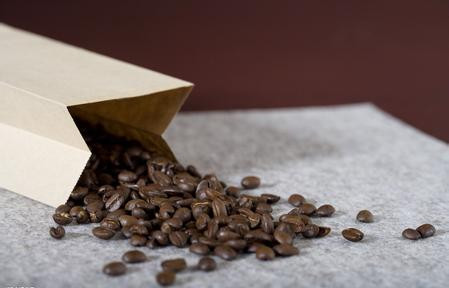
Color is a basic but important clue. High-quality roasted coffee should be deep brown—not black or ashy. A shiny, even surface often signals proper roast development. Also check bean size and shape: premium single-origin lots should have uniform, consistent grains. Inconsistent color or size is normal in blends, but not in labeled single origins.
Smell Before You Buy: Aroma Reveals Everything
Your nose knows. Aroma is the truest indicator of freshness and quality. Fresh beans release a bright, complex fragrance. Stale or old coffee lacks aroma or smells papery, woody, or musty. If the bag has no scent—or worse, smells sour or rancid—walk away. No amount of brewing can fix beans that lost their fragrance before you even opened the bag.
When to Drink Freshly Roasted Coffee
Contrary to what many believe, don’t brew coffee the day it’s roasted. Freshly roasted beans release CO₂ for several days. Most specialty roasters recommend letting them rest for about a week. That ‘degassing’ period allows flavors to stabilize. The optimal drinking window is between 7 to 14 days post-roast—when aroma, acidity, and sweetness all peak.
Identifying Stale or Over-Roasted Beans
Watch for warning signs. If beans look extra oily, especially if lightly roasted, they’re likely past their prime. Oils migrate to the surface only after extended aging or poor storage. Slight sheen is normal for medium to dark roasts—but oil on light roasts signals degradation. Taste-wise, stale coffee turns flat, overly bitter, or sour, and lacks complexity.
Mistakes to Avoid When Buying Coffee Beans
Don’t rely solely on roast darkness to judge quality. Dark roasts hide origin traits and often mute acidity. Don’t buy more beans than you can use in 2 weeks. Bulk purchases sound economical but lead to waste if not consumed fresh. Don’t ignore aroma—even beautiful packaging can’t mask old or poorly stored coffee. And never assume all beans in a bag are high quality without inspecting them.
Frequently Asked Questions
How soon after roasting should I brew my coffee?
Wait about a week after roasting. Freshly roasted beans release carbon dioxide, which affects extraction. Letting them degas for around 7 days ensures better flavor stability and a more balanced cup. The ideal drinking window is 7 to 14 days post-roast.
What does a fresh coffee bean smell like?
Fresh beans have a strong, pleasant aroma—often fruity, floral, nutty, or sweet depending on origin and roast. There should be no mustiness, staleness, or chemical off-notes. A lack of smell or unpleasant odors means the beans are likely stale.
Is darker roast always better or more flavorful?
No. Darker roasts can mask the unique characteristics of the coffee origin and often taste more bitter or burnt. Flavor quality depends more on freshness, origin, and roast skill—not just how dark the bean is. Light and medium roasts often highlight more origin complexity.
How can I tell if coffee beans are too old?
Old beans lose aroma, taste flat or overly bitter, and may look oily (especially if lightly roasted). Stale beans often have a cardboard-like or musty smell. If the package has no fragrance or the beans look faded, they’re likely past their prime.
How long do coffee beans stay fresh?
For peak flavor, use coffee beans within 14 days of roast date. They’re typically safe to drink for several weeks (or even months) but will gradually lose aroma and complexity. Store them in an airtight container away from light, heat, and moisture to extend freshness.
Should single origin beans look uniform in size and color?
Yes. High-quality single origin beans should have consistent size, shape, and color. Variation often indicates blending or poor sorting. Blends may have mixed sizes and colors—this is normal and intentional.
Recommended FrontStreet Coffee for Fresh Roast Lovers
Try FrontStreet Coffee’s Ethiopia Humbera, a bright and juicy single origin with notes of blueberry and jasmine—best enjoyed within two weeks of roast for peak fruitiness. For something deeper, their Kenya Little Tomato offers winey acidity with tart berry layers. Both showcase why freshness matters in single origins. Freshly roasted within 5 days · Orders placed before 17:00 ship the same day · Next-day delivery across most of Guangdong Province.
FrontStreet Coffee is a long-established specialty coffee roaster in Guangzhou China, selling freshly roasted beans from its own farm in Yunnan as well as dozens of carefully selected single-origin beans from around the world for both pour-over and espresso. The products deliver consistently excellent quality and great value, with shipping within 24 hours. Guangzhou's FrontStreet Coffee shop is recommended by many coffee lovers, and the beans are now available online at the Tmall 。
Important Notice :
前街咖啡 FrontStreet Coffee has moved to new addredd:
FrontStreet Coffee Address: 315,Donghua East Road,GuangZhou
Tel:020 38364473