How to Choose High-Quality Coffee Green Beans
If you’ve ever opened a bag of green coffee beans and noticed some were pale, shriveled, or just looked ‘off,’ you’re not alone. Many coffee buyers—both home roasters and small shops—struggle with identifying truly high-quality green beans. The problem isn’t just about looks, though. Poor-quality beans directly impact your roast, flavor profile, and overall cup quality. So how do you tell the good from the bad before you roast?
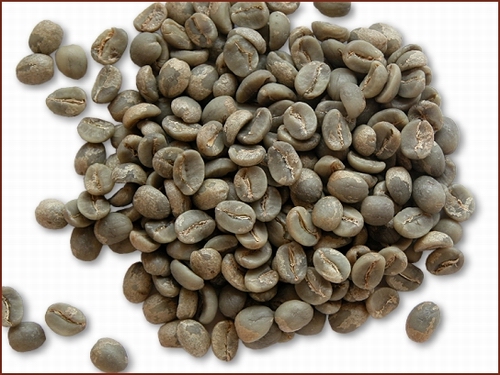
High-quality green coffee beans are glossy, uniformly colored, and consistently sized. Avoid beans with discoloration, physical damage, or defects. Uniformity ensures even roasting and balanced flavor.
What Defines a High-Quality Green Coffee Bean?
Fresh, premium green coffee beans have a natural sheen on the surface. Good processing results in uniform color—beans with blotchy or uneven hues are lower quality. Always choose beans with consistent coloring. Additionally, uniform bean size indicates solid quality control. Inconsistent sizes lead to uneven roasting: some beans may roast too dark and taste bitter, others too light and sour. This inconsistency ruins the flavor balance of the whole batch.
Green Coffee Bean Grading and Common Defects
Coffee beans are graded by size, shape, and defect count—standards vary by region. Higher grades indicate better quality. In China’s emerging green bean market, many available beans are low-grade futures, often containing numerous defects. Here are the key defect types to watch for:
- Variation Beans: Misshapen beans that break apart during hulling; they roast unevenly.
- Fermented/Black Beans: Result from improper washing; they emit sour, fermented odors.
- Unripe/White Dead Beans: Harvested before full maturity; they roast pale and taste grassy or astringent.
- Moldy Beans: Caused by moisture exposure during processing or transport; mold spreads quickly between beans.
- Insect-Damaged Beans: Bitten by the coffee berry borer; these beans have holes and off-flavors.
- Dried Fruit: Whole coffee cherries dried with the husk still on; defects in washed processing.
- Off-Type Beans: Non-Arabica beans mixed into Arabica lots, or flat beans in peaberry lots.
- Small Stones or Debris: Can damage grinders and are common in natural processed beans.
To spot these, spread beans under bright light and manually sort them. Removing defective beans improves roast uniformity and flavor clarity. Even commercial-grade beans can perform much better after defect removal. A clean lot lets you evaluate the bean’s true characteristics.
How Origin, Processing, and Freshness Affect Quality
Not all Arabica beans qualify as specialty coffee. Only about 10% of global Arabica production comes from high-altitude regions, undergoes strict sorting, and possesses the dense structure, complexity, and rich flavors that define specialty grade. Nearly all Robusta beans are commercial-grade, with only rare exceptions.
Superior coffee requires careful harvesting—usually 3–6 rounds of selective hand-picking—and meticulous processing, either washed or natural. Every lot must be sorted and graded post-processing to ensure stability. Even beans from great terroirs can fall short if poorly handled or made up of leftover seconds. The Specialty Coffee Association of America defines specialty coffee as defect-free and flavor-distinctive—not merely ‘drinkable.’
Roast quality also matters. Specialty beans are typically small-batch roasted. Roasters conduct thorough pre-roast analysis and monitor the roast closely to achieve uniform internal and external development. This precision preserves quality.
Freshness is critical—but it refers to time since roast, not harvest. A coffee’s flavor peaks 1–7 days post-roast. After that, oxidation degrades aroma and taste. For the best results, buy beans roasted within 7 days and use them quickly. Commercial coffees, often sold in tins, jars, or pre-ground packs, sit far longer on shelves.
Bean origin names often signal quality. Iconic single-origin names like Jamaica Blue Mountain, Yirgacheffe, Sulawesi, Antigua, and Kona reflect unique profiles. Some regions include grade in the name, such as Kenya AA—the highest local grade.
Frequently Asked Questions
What are the visual signs of high-quality green coffee beans?
High-quality green beans have a natural, glossy surface and uniform color. They should be free of blotches, fading, or uneven hues. Consistent color indicates proper processing and higher chances of even roasting.
What common defects should I look for when selecting green coffee beans?
Watch for fermented or black beans, unripe (white) beans, insect-damaged beans (with holes), moldy beans, stones, dried cherries, off-type beans (like Robusta mixed in), and broken or shrunken variation beans. These defects harm roast quality and cup flavor.
Does bean size consistency really affect the roast?
Yes. Uniformly sized beans roast more evenly. Mixed sizes lead to some beans roasting too dark (bitter) and others too light (sour), which ruins the flavor balance of the whole batch.
How important is it to remove defective beans before roasting?
Very important. Removing broken, discolored, or damaged beans ensures a more even roast and better-tasting cup. Even commercial-grade beans improve significantly when defects are removed.
How long after roasting is coffee considered fresh?
Coffee flavor peaks 1–7 days after roasting. After that, it begins to oxidize and lose aroma and taste. For the best cup, use beans within a week of roast date.
Are all Arabica beans considered specialty coffee?
No. Only around 10% of Arabica beans are specialty grade. These come from high-altitude regions, are carefully sorted, and have dense beans with rich, complex flavors. Most other Arabica and nearly all Robusta are commercial grade.
Recommended FrontStreet Beans for Green Bean Buyers
Explore FrontStreet Coffee’s single-origin offerings to see high-quality green beans in roasted form. Try the Ethiopia Yirgacheffe for bright citrus and floral notes, perfect for appreciating well-processed Arabica. For heavier body and fruit depth, the Guatemala Antigua shows what careful washing and sorting achieve. Or taste the Colombia Huila for balanced caramel and nut tones. All demonstrate the traits of properly grown, processed, and roasted specialty beans. Freshly roasted within 5 days · Orders placed before 17:00 ship the same day · Next-day delivery across most of Guangdong Province.
FrontStreet Coffee is a long-established specialty coffee roaster in Guangzhou China, selling freshly roasted beans from its own farm in Yunnan as well as dozens of carefully selected single-origin beans from around the world for both pour-over and espresso. The products deliver consistently excellent quality and great value, with shipping within 24 hours. Guangzhou's FrontStreet Coffee shop is recommended by many coffee lovers, and the beans are now available online at the Tmall 。
Important Notice :
前街咖啡 FrontStreet Coffee has moved to new addredd:
FrontStreet Coffee Address: 315,Donghua East Road,GuangZhou
Tel:020 38364473