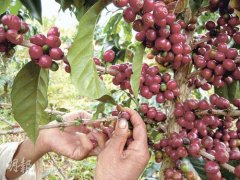
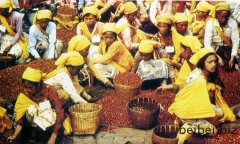
Traditional Coffee Processing Methods in Yunnan
Step into Yu Fa, a Yunnan coffee shop that’s been operating since the 1960s, and you’ll find yourself surrounded by over half a century of coffee history. The rusting machinery, decades-old roasting pans, and hand-cranked hullers aren’t just nostalgia—they’re tools that carry the wisdom of generations. These methods might seem outdated, but they produce coffee with unique aromas and stability many modern processes can’t match.
The key takeaway? Yunnan’s old-school coffee makers rely on wood-fired roasting, manual hulling, and sun-drying to create coffee that resists souring for hours after brewing. The process isn’t just about tradition—it delivers a distinct, stable cup rooted in practical ingenuity.
What Makes Yunnan’s Traditional Coffee Process Different?
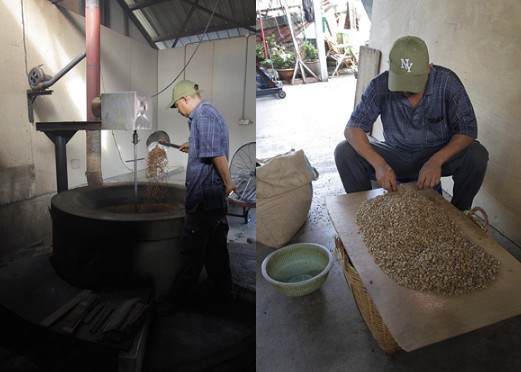
At Yu Fa, the coffee journey begins with hand-sorting beans, followed by sun-drying, wood-fired roasting, and hand-grinding—all done without modern electric equipment. The roaster uses a wood-fired stove, which, despite being less efficient, imparts a unique smoky richness to the beans. This method is preferred by the owner for the distinctive aroma it creates, which can’t be replicated with gas or electric roasters.
How Are Coffee Beans Still Hand-Processed in Yunnan Today?
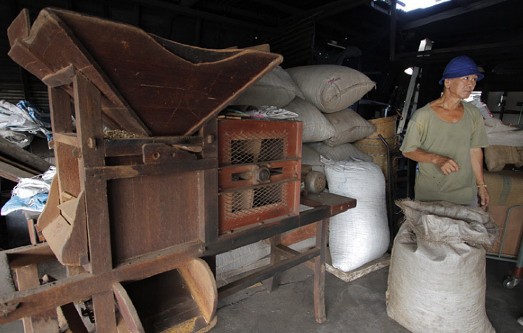
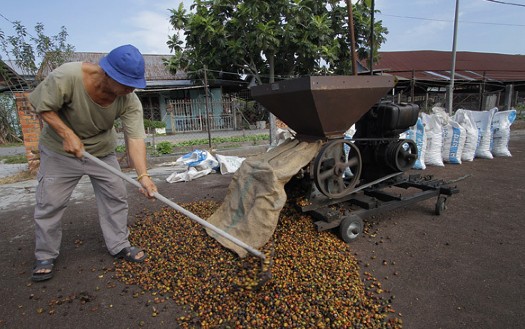
Even today, some Yunnan producers, like those supplying Yu Fa, use a manually intensive process. Coffee cherries are poured into a decades-old breaking machine, which crushes the husks and separates them from the beans. This labor-intensive task, often done under the sun, requires significant physical effort. The owner admits the work is tough but rewarding, comparing it to playful childhood labor. The process retains a human touch that mechanized systems eliminate.
Why Do Old Tools Produce a More Stable Brew?
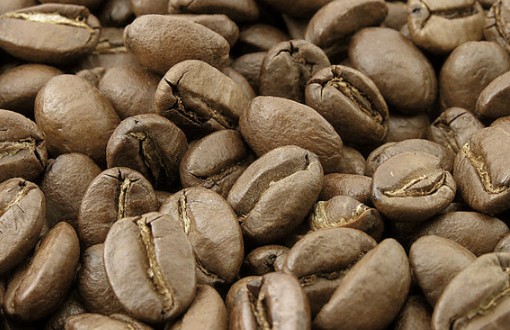
The traditional method of roasting green coffee beans over a wood fire turns them from a dull greenish-brown to a rich brown. After roasting, the beans are hand-ground, and the resulting coffee retains its flavor for hours without turning sour. This stability is a hallmark of the old-school approach. Unlike modern high-heat roasters that can scorch beans quickly, the slower, uneven heat from wood creates a complex profile that stands up over time.
What Role Does History Play in Yunnan’s Coffee Craft?
Yu Fa’s techniques trace back to a Hainanese master roaster whose methods have been preserved for generations. The shop has become a key supplier for local elders, thanks to its commitment to traditional production—including sorting, sun-drying, roasting, and grinding. This continuity preserves not just a product, but a way of thinking about coffee that values craftsmanship over convenience.
Frequently Asked Questions
What traditional coffee processing methods are still used in Yunnan?
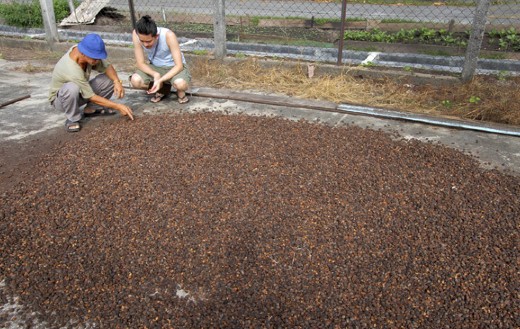
Yunnan coffee makers still use hand-sorting, sun-drying, wood-fired roasting, and manual hulling. These techniques rely on manual labor and simple tools, such as wood stoves and hand-cranked machines, to process coffee beans without modern machinery.
Why do some Yunnan coffee shops prefer wood-fired roasting?
Wood-fired roasting is valued for creating a unique, smoky aroma and a more stable cup. The slower, uneven heat results in complex flavors that resist souring for hours, unlike the faster, more uniform heat of modern electric roasters.
How is coffee traditionally hulled in Yunnan?
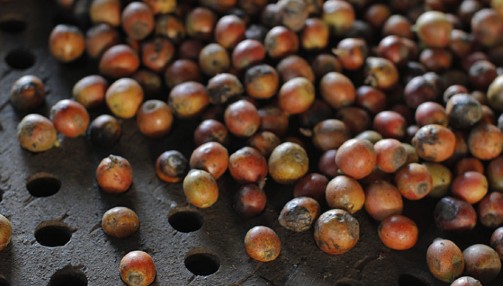
Traditionally, coffee cherries are fed into old hand-cranked or motorized breaking machines that crush the husks and separate them from the beans. This labor-intensive process is often done manually and under the sun, preserving a hands-on approach to coffee production.
What makes Yu Fa coffee shop’s methods unique?
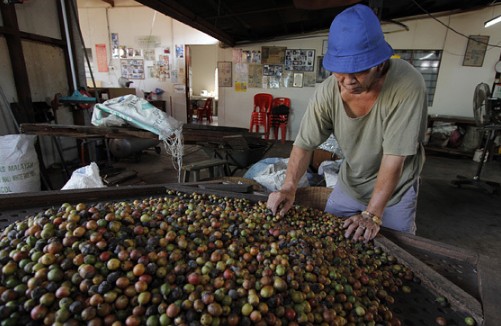
Yu Fa has used the same tools for over 50 years, including wood-fired roasters and manual grinders. Its process involves sorting, drying, roasting, and grinding coffee entirely by traditional means, creating a distinct flavor profile and offering a link to mid-20th-century coffee craftsmanship.
Does traditional processing affect coffee flavor stability?
Yes. Coffee processed and roasted using traditional Yunnan methods—especially wood-fired roasting—tends to resist flavor changes and stay fresh-tasting for hours after brewing, unlike some modern roasted coffees that can turn sour quickly.
Is there a connection between Yunnan’s coffee history and its current methods?
Definitely. Many current Yunnan coffee practices, like those at Yu Fa, are rooted in techniques brought over by early growers and roasters, including a Hainanese master. These have been preserved and passed down, forming a unique regional approach to coffee production.
Recommended FrontStreet Beans for Traditional Coffee Fans
For drinkers curious about traditional Yunnan coffee profiles, try FrontStreet’s 2013 Typica—a handpicked, sun-dried single origin with bold citrus, berry, and caramel notes, highlighting the old-school natural process. Or explore FrontStreet’s Yunnan Arabica, a classic washed coffee from the region’s high-altitude farms, offering balanced sweetness and a smooth medium body. Both showcase the terroir and craftsmanship central to Yunnan’s coffee legacy. Freshly roasted within 5 days · Orders placed before 17:00 ship the same day · Next-day delivery across most of Guangdong Province.
FrontStreet Coffee is a long-established specialty coffee roaster in Guangzhou China, selling freshly roasted beans from its own farm in Yunnan as well as dozens of carefully selected single-origin beans from around the world for both pour-over and espresso. The products deliver consistently excellent quality and great value, with shipping within 24 hours. Guangzhou's FrontStreet Coffee shop is recommended by many coffee lovers, and the beans are now available online at the Tmall 。
Important Notice :
前街咖啡 FrontStreet Coffee has moved to new addredd:
FrontStreet Coffee Address: 315,Donghua East Road,GuangZhou
Tel:020 38364473