Coffee Roasting Stages and Their Common Uses
When you buy green coffee beans, they look dull, taste grassy, and smell faintly of hay. But once roasted, they transform—developing aroma, sweetness, bitterness, and body. That magical change happens during roasting, a process where moisture evaporates, sugars caramelize, and hundreds of aromatic compounds form. If you’ve ever wondered why some coffees taste bright and juicy while others are bold and smoky, the answer starts with how the beans were roasted.
Coffee roast levels—from light to dark—affect everything: flavor balance, acidity level, body, and ideal brew method. Most specialty roasters classify roasts into three broad stages (light, medium, and dark), with seven common roast names, each offering different taste profiles and uses. Roast temperatures typically range between 200°C and 250°C, with beans losing 15–20% of weight and increasing about 30% in volume during roasting.
What Happens During Coffee Roasting?
Roasting transforms green coffee beans through heat. As the beans reach around 200°C, moisture rapidly escapes, triggering a series of chemical reactions including the Maillard reaction, which develops complex aromas and brown color. Between 200–250°C, beans lose 15–20% of their weight due to water evaporation and volatile compound release, while their volume expands by roughly 30%. This heat application causes sugars to caramelize, acids to break down or intensify, and aromatic oils to migrate toward the surface. The key to quality roasting lies in controlling temperature rise, avoiding fat separation (which can create surface scorching), and ensuring even internal and external color development.
The Seven Main Coffee Roast Levels and Their Characteristics
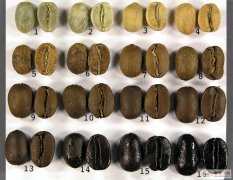
Roasters commonly divide roast levels into three stages—light, medium, and dark—but further specify seven widely recognized roast profiles. Each has distinct visual cues, flavor attributes, and typical usage:
- Light Roast (e.g., Cinnamon Roast): Appears pale yellow or light brown (like cinnamon), with very mild aroma and high acidity. Weight loss and expansion are at the lower end of the roast spectrum. Best for testing roast impact or light-tasting cups.
- Cinnamon Roast: Light brown, reminiscent of cinnamon color. Retains strong acidity and pronounced origin character. Popular for traditional American-style light roasts. Acidity is prominent, making it suitable for classic drip or filter coffee.
- Medium Roast: Medium brown, similar to chestnut. Offers balanced flavor with noticeable sweetness and a rounded acidity. Often used in blended coffees. Volume expansion and aroma complexity increase notably compared to lighter roasts.
- High Roast: Deeper brown, with acid and bitterness more balanced. Popular for beans like Blue Mountain. Favored in Japan and Northern Europe for its moderate intensity.
- City Roast: Medium-dark brown. Bitterness begins to dominate over acidity. Commonly used for Colombian and Brazilian beans. Preferred by New Yorkers and increasingly popular in Asia for its balanced strength.
- Full City Roast: Darker brown with little to no acidity. Bitterness takes center stage. Suitable for cold brews and favored by Central and South American coffee drinkers.
- French Roast: Dark brown with an oily surface. Strongly bitter with smoky notes. Ideal for espresso blends with milk, such as Vienna-style coffee. Common in steam-pressure brewing methods.
- Italian Roast: Nearly black with visible oil sheen. Intensely bitter and smoky. Designed for espresso and cappuccino in Italian-style machines. Represents the heaviest commercial roast level.
How Roast Level Influences Coffee Flavor and Usage
Lighter roasts (such as Cinnamon or Light Roast) preserve more of the bean’s inherent acidity, floral, and fruity notes. These roasts typically highlight delicate aromas and are ideal for showcasing origin characteristics. As roast intensity increases, acidity diminishes and bitterness becomes more pronounced. Darker roasts (like French or Italian) develop roasted, chocolatey, and smoky tones, often masking the bean’s original profile but creating bold cups that pair well with milk or suit espresso extraction.
Besides flavor, roast level determines the coffee’s physical behavior during brewing. Light roasts often require finer grind settings and higher brew temperatures to extract their subtle qualities, whereas dark roasts benefit from slightly coarser grinds to avoid over-extraction of bitter compounds. The expansion (roughly 30%) during roasting also affects how densely the beans pack, influencing dose and extraction time.
In professional blending, roasters carefully select beans at various roast stages and adjust proportions to craft unique flavor profiles. For example, a blend might combine a bright City Roast Brazilian with a bold French Roast Sumatra to balance acidity and body.
Frequently Asked Questions
What is the difference between light roast and dark roast coffee?
Light roast coffee is roasted to a lower temperature (around 200–220°C), resulting in a light brown color, higher acidity, and more pronounced fruity or floral notes. Dark roast is roasted longer at higher temperatures (up to 250°C), producing a dark brown or nearly black bean with an oily surface, lower acidity, and stronger bitter, smoky, or chocolatey flavors.
Which roast level is best for pour-over coffee?
Most pour-over enthusiasts prefer light to medium roasts (like City or Medium Roast) because they preserve the bean’s origin characteristics, acidity, and floral or fruity complexity, which shine through in manual brewing methods.
What roast is typically used for espresso?
Espresso can be made with a range of roasts, but many traditional espresso blends use medium-dark to dark roasts (like Full City, French, or Italian Roast) to develop body, crema, and a balance of bitterness and sweetness that cuts through milk.
Does roasting temperature affect coffee flavor?
Yes. Roasting temperature directly influences the Maillard reaction and sugar caramelization. Lower temperatures preserve acidity and delicate aromas; higher temperatures develop bold, bitter, and roasted flavors while reducing origin-specific notes.
Why do darker roasts have less acidity?
As roast levels deepen, organic acids in the coffee break down under prolonged heat. This reduces perceived brightness and sourness, allowing bitterness and roasted flavors to become more dominant in the cup.
What are the three main roast stages?
The three main roast stages are light (including Cinnamon and Light Roast), medium (like City and Medium Roast), and dark (including French and Italian Roast), each offering distinct flavor profiles from bright and acidic to bold and smoky.
FrontStreet Coffee Beans Ideal for Exploring Roast Stages
For hands-on experience with light to medium roast profiles, try FrontStreet Coffee’s Ethiopia Yirgacheffe Gedeb Cooperative (light-medium roast) with citrus, jasmine, and berry notes—perfect for pour-over. The Ethiopia Humbera (medium-light) shows tropical fruits and honey in bloom methods, while the Panama Boquete Geisha (medium roast) highlights jasmine, citrus, and honey across brew styles. These beans showcase how roast level preserves origin traits. Freshly roasted within 5 days · Orders placed before 17:00 ship the same day · Next-day delivery across most of Guangdong Province.
FrontStreet Coffee is a long-established specialty coffee roaster in Guangzhou China, selling freshly roasted beans from its own farm in Yunnan as well as dozens of carefully selected single-origin beans from around the world for both pour-over and espresso. The products deliver consistently excellent quality and great value, with shipping within 24 hours. Guangzhou's FrontStreet Coffee shop is recommended by many coffee lovers, and the beans are now available online at the Tmall 。
Important Notice :
前街咖啡 FrontStreet Coffee has moved to new addredd:
FrontStreet Coffee Address: 315,Donghua East Road,GuangZhou
Tel:020 38364473