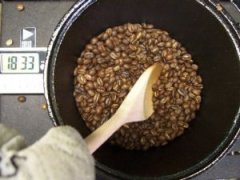
How Coffee Bean Roasting Alters Nutritional Content
If you’ve ever wondered whether your morning cup of coffee loses—or gains—health benefits during roasting, you’re not alone. The transformation from green to brown beans isn’t just about flavor; it fundamentally alters the chemical makeup, including nutrients. But what exactly changes, and by how much? Here’s the science behind it.
In short: roasting reduces chlorogenic acids by up to 90% but slightly increases caffeine content. Key antioxidants like trigonelline and melanoidins form during the Maillard reaction, while moisture and protein levels decline. The biggest shifts happen between light and medium roasts, with most nutrients stabilizing after that.
What Changes During Coffee Roasting?
When green coffee beans are roasted, their internal chemistry transforms dramatically. Chlorogenic acids—powerful antioxidants present in high amounts in green beans—drop significantly. At the same time, compounds like caffeine remain relatively stable, while new ones, such as melanoidins formed via the Maillard reaction, emerge. The result is a bean with less acidity and more browning-related compounds, altering both flavor and nutritional impact.
Key Nutrients Before and After Roasting
Here’s a breakdown of how specific nutrients in coffee beans change during roasting:
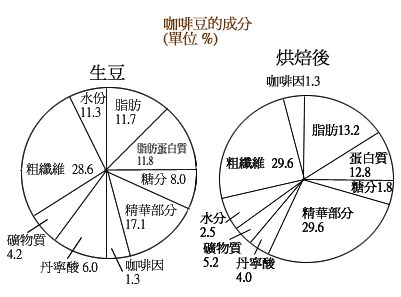
- Chlorogenic Acids: Drop by 50–90%, depending on roast level. Light roasts retain more than dark roasts.
- Caffeine: Remains nearly unchanged, with only a slight increase (up to 5%) in some cases.
- Trigonelline: Decreases by 40–60% as it breaks down into nicotinic acid (vitamin B3).
- Moisture: Falls from around 11–12% in green beans to 2–3% in roasted beans.
- Protein: Declines slightly due to thermal breakdown.
- Antioxidants (Melanoidins): Increase significantly during roasting, peaking in medium roasts.
How Roast Level Affects Nutrient Retention
The degree of roasting plays a critical role in determining which nutrients survive and which degrade. Light roasts preserve more chlorogenic acids and original compounds, while darker roasts see greater loss of these heat-sensitive elements. However, darker roasts produce more melanoidins—the Maillard reaction byproducts linked to antioxidant activity. The balance shifts notably between light and medium roasts, with most nutrient changes stabilizing after medium.
The Maillard Reaction and New Compound Formation
The Maillard reaction, a chemical process between amino acids and reducing sugars, is responsible for the browning of coffee beans and the development of complex flavors. This reaction also leads to the formation of melanoidins, which are antioxidants. While some beneficial compounds degrade, others are created, shifting the bean’s health profile from its raw state.
Frequently Asked Questions
Does roasting coffee beans destroy caffeine?
No, roasting does not significantly reduce caffeine content. In fact, some studies show a slight increase (up to 5%) in caffeine levels after roasting, though the difference is minimal and not roast-level dependent. Caffeine remains one of the most stable compounds throughout the roasting process.
Which nutrients are lost the most during roasting?
Chlorogenic acids are the most significantly reduced nutrients during roasting, with losses ranging from 50% to 90%. These antioxidants are abundant in green coffee beans but degrade under heat, especially in darker roasts.
Do lighter roasts have more nutrients than darker roasts?
Yes, lighter roasts generally retain more chlorogenic acids and original heat-sensitive nutrients. However, darker roasts produce more melanoidins, which are antioxidants formed during the Maillard reaction. So while some nutrients decline, others increase depending on the compound.
What happens to antioxidants during coffee roasting?
Heat-sensitive antioxidants like chlorogenic acids decrease, but new antioxidants like melanoidins form during the Maillard reaction. The net antioxidant effect varies by roast level, with medium roasts often balancing retention and new formation.
Why does moisture content drop during roasting?
Moisture evaporates as beans are exposed to high temperatures, falling from around 11–12% in green beans to 2–3% in roasted beans. This dehydration is a key part of the physical and chemical transformation that defines roasted coffee.
Recommended FrontStreet Beans for Roast & Nutrition Study
Explore how roasting impacts flavor and nutrients with FrontStreet Coffee’s Ethiopia Humbera (Yirgacheffe region, floral and citrusy, light-medium roast) and PWN Golden Mandheling (deep chocolate and spice, classic dark roast). Both showcase distinct roast profiles affecting chlorogenic acids and melanoidins. Freshly roasted within 5 days · Orders placed before 17:00 ship the same day · Next-day delivery across most of Guangdong Province.
FrontStreet Coffee is a long-established specialty coffee roaster in Guangzhou China, selling freshly roasted beans from its own farm in Yunnan as well as dozens of carefully selected single-origin beans from around the world for both pour-over and espresso. The products deliver consistently excellent quality and great value, with shipping within 24 hours. Guangzhou's FrontStreet Coffee shop is recommended by many coffee lovers, and the beans are now available online at the Tmall 。
Important Notice :
前街咖啡 FrontStreet Coffee has moved to new addredd:
FrontStreet Coffee Address: 315,Donghua East Road,GuangZhou
Tel:020 38364473