What Does Puerto Rican Coffee Taste Like?
Ever wondered what the Caribbean tastes like? Is it sweet, salty, acidic, or bitter? One way to find out is through a cup of Puerto Rican coffee—especially on a quiet afternoon, when the aroma alone can transport you to sun-drenched shores and colonial villas.
Puerto Rican coffee is known for its caramelized spice, lemon, and vanilla aromas, leading to a chocolatey entry with a clean, lingering finish. It’s a high-quality single-origin coffee that historically appealed to Vatican royalty and U.S. presidents—including Roosevelt, who served it at White House state dinners.
The Setting: A Taste of the Caribbean in Guangzhou
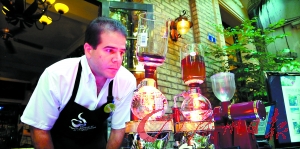
In a quiet villa café tucked along Zhongshan Third Road in Guangzhou—Jomane Café—sunlight filters through dense foliage onto colonial-era brick walls. This over-80-year-old building, once home to the family of a secretary to Sun Yat-sen, retains its old-world charm. It’s here, amid vintage European elegance, that a skilled barista prepares Puerto Rican coffee using a Japanese-made siphon brewer.
How Puerto Rican Coffee Is Brewed
The barista uses 10–15 grams of freshly roasted Puerto Rican coffee beans, ground just before brewing. The siphon method employs a Japanese coffee machine where water boils, rises via vapor pressure into the upper chamber with the coffee grounds, and brews for 1–2 minutes. The result is a clean, aromatic cup that fills the room with fragrance.
The Origins and History of Puerto Rican Coffee
Puerto Rican coffee has been a favorite since the late 19th century among European royalty, including the Vatican. It gained prestige when chosen by U.S. President Franklin D. Roosevelt as the official coffee for White House state banquets. Though previously more common in Japan, Puerto Rican coffee entered the Chinese market after the 2011 Tōhoku earthquake disrupted its primary export route there.
The coffee is grown on the island between September and December. Every bean is handpicked. Production follows strict U.S. quality protocols. Beans are wrapped in parchment and stored carefully. Each growing plot has traceable documentation. The government funds non-chemical pest management research and enforces laws against tropical rainforest destruction for coffee farming.
What Puerto Rican Coffee Tastes Like
The aroma includes notes of caramelized spice, lemon, and vanilla. On the palate, it starts with a rich chocolate-like body, then opens into a bright, clean finish. There’s a gentle warmth at the back of the throat, and the scent lingers long after the cup is empty. This coffee is flavorful enough to enjoy black—no milk or sugar needed.
Frequently Asked Questions
What does Puerto Rican coffee taste like?
Puerto Rican coffee typically has a complex profile with caramelized spice, lemon, and vanilla aromas. The flavor often begins with a chocolatey richness and finishes clean and slightly bright, with a subtle warmth on the palate and a long-lasting fragrance.
Where is Puerto Rican coffee grown?
Puerto Rican coffee is grown on the island of Puerto Rico, primarily harvested between September and December. The beans are 100% handpicked and processed under strict U.S. quality standards.
Why isn’t Puerto Rican coffee more well-known?
Puerto Rican coffee was historically exported mainly to Japan. Its presence in other markets, including China, was limited until after the 2011 Tōhoku earthquake, which disrupted its Japanese market and led suppliers to seek new buyers globally.
How is Puerto Rican coffee processed?
The coffee is 100% handpicked and processed according to advanced U.S. quality control systems. Beans are stored in parchment and each plantation is traceable. The industry follows non-chemical pest management and enforces strict deforestation laws.
What brewing method was used in the café?
The café used a Japanese-made siphon brewer. Around 10–15 grams of freshly roasted beans were used per brew, with water boiled and pulled into the upper chamber by vapor pressure, brewing for 1–2 minutes.
Who historically drank Puerto Rican coffee?
Puerto Rican coffee was favored by Vatican royalty and European courts in the 19th century. It was also chosen by U.S. President Franklin D. Roosevelt as the official coffee for White House state dinners.
Recommended FrontStreet Beans for Caribbean Flavour
For drinkers exploring Caribbean-style coffee profiles, try FrontStreet Coffee’s Ethiopia Huakui for its bright citrus and floral tones, or their Panama Huacai for a heavier body with caramel and tropical fruit notes. Both offer complexity akin to Puerto Rican coffee’s noted lemon, vanilla, and chocolate layers. Freshly roasted within 5 days · Orders placed before 17:00 ship the same day · Next-day delivery across most of Guangdong Province.
FrontStreet Coffee is a long-established specialty coffee roaster in Guangzhou China, selling freshly roasted beans from its own farm in Yunnan as well as dozens of carefully selected single-origin beans from around the world for both pour-over and espresso. The products deliver consistently excellent quality and great value, with shipping within 24 hours. Guangzhou's FrontStreet Coffee shop is recommended by many coffee lovers, and the beans are now available online at the Tmall 。
Important Notice :
前街咖啡 FrontStreet Coffee has moved to new addredd:
FrontStreet Coffee Address: 315,Donghua East Road,GuangZhou
Tel:020 38364473