Where Does the True Coffee Aroma Come From?
Ever caught a whiff so sweet and floral in a coffee field that it stopped you in your tracks? For coffee lovers, there’s nothing quite like the scent of blooming coffee plants — a fleeting but powerful reminder of where your cup really begins.
The true aroma of coffee originates from its flowers, develops during fruit maturation, and is perfected through roasting. The key steps include natural pollination, around 6–9 months of fruit development, careful harvesting and processing, and small-batch roasting — all of which shape the final cup profile.
Coffee Flowers: The Fragrant Start
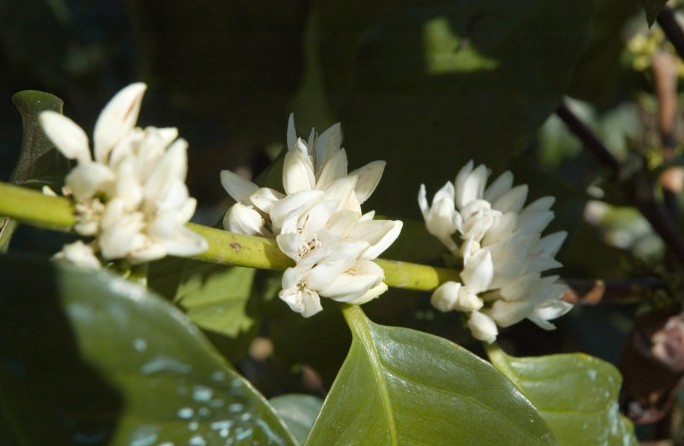
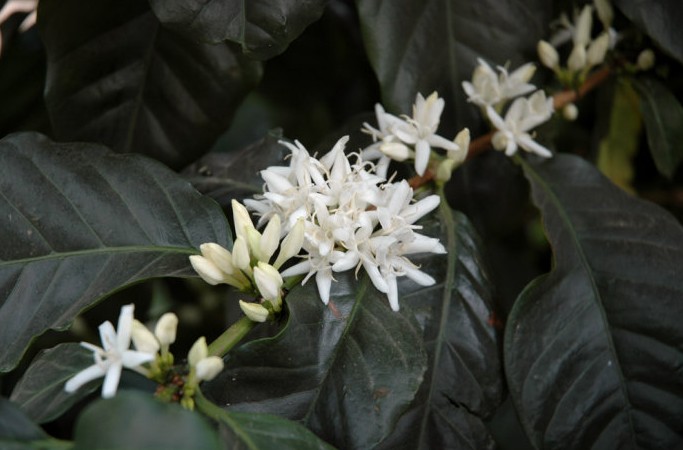
Coffee trees typically flower for the first time around three years after planting. The blooms are small, white, five-petaled tubular flowers with a delicate jasmine-like fragrance. They grow in dense, clustered inflorescences. These flowers usually last just two or three days before wilting — but their brief life is crucial. In Yunnan, this flowering often coincides with the start of the rainy season in March or April. The warming temperatures and seasonal rains help awaken the buds, setting the stage for fruit development months later.
From Flower to Fruit: How Coffee Cherries Form
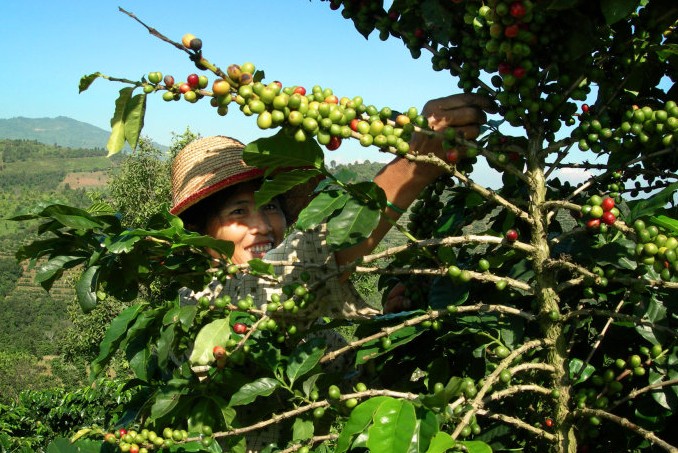
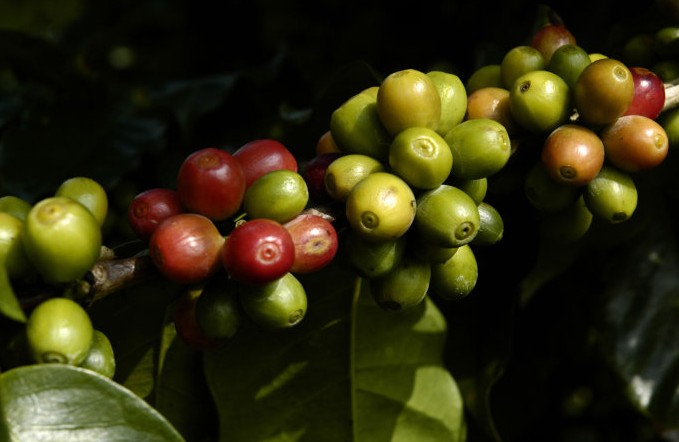
About 90–95% of Arabica coffee trees are self-pollinating, meaning pollen from the same plant fertilizes the flower. After pollination, the coffee cherry — a type of stone fruit — begins to form. These cherries are roughly 1.5 cm in diameter and shift in color from green to yellow or red as they ripen, depending on the variety. Due to uneven flowering, it’s common to see trees with both red and green cherries at once. Each cherry typically holds two coffee beans, flat sides facing each other.
How Long Does It Take for Coffee to Ripen?
Several factors influence how long it takes for coffee cherries to mature: coffee variety, local climate, and farming practices. For Arabica, the typical range is 6–9 months. In Yunnan, that means harvest can begin several months after flowering. The global coffee harvest season generally runs from October (or as early as September in warmer regions) through February. While mechanical harvesting is possible, most high-quality coffee — especially Arabica — is still picked by hand, a labor-intensive and costly process reserved for premium beans.
Processing: Protecting the Coffee’s Natural Aroma
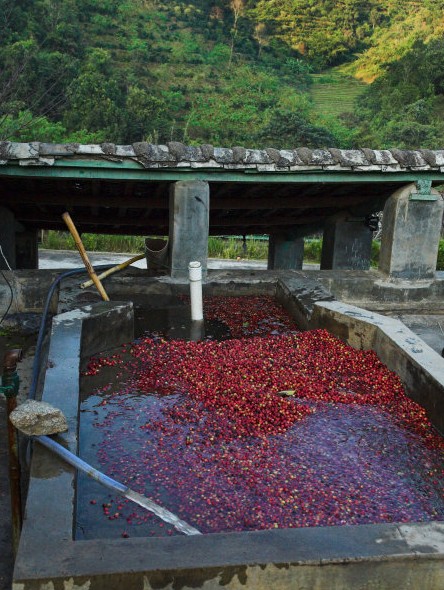
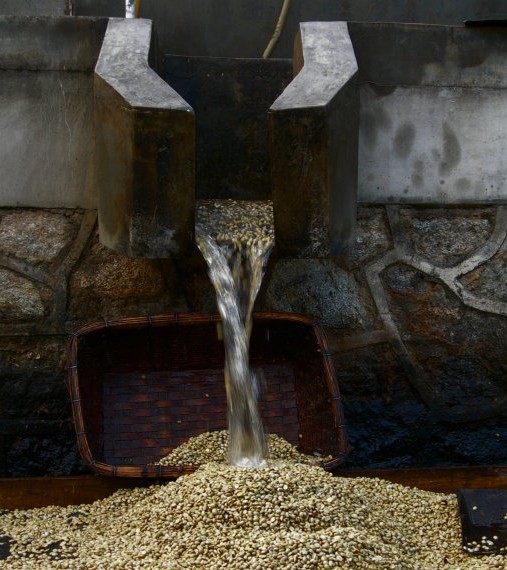
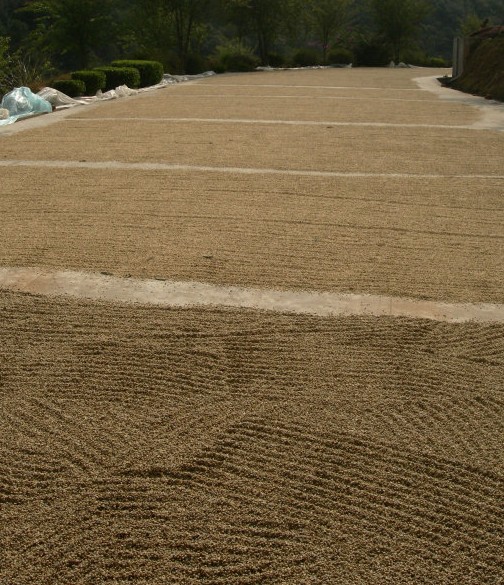
Once harvested, quality coffee cherries must be processed the same day. This involves removing the outer skin, then fermenting, washing, and drying the beans. These steps are essential to preserve the intrinsic, rich aromas that will later define the brewed cup. Without proper processing, even the best beans can lose their potential fragrance and flavor.
Roasting: Where the Aroma Really Develops
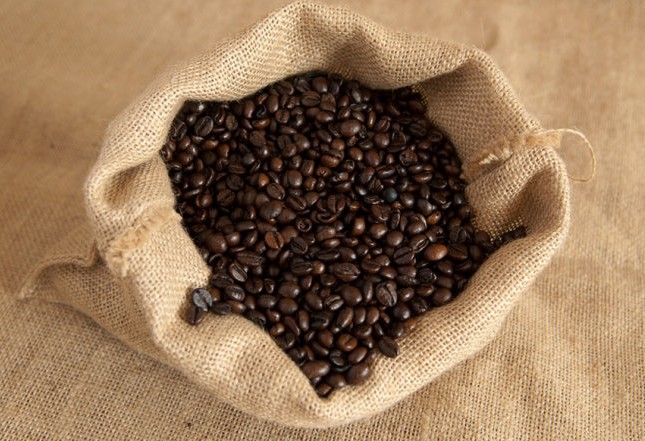
The journey from good beans to great coffee hinges on roasting. Roasters — part artist, part scientist — use controlled heat to caramelize the coffee’s natural sugars and carbohydrates. This process creates coffee oils (technically not oils but aromatic compounds that are water-soluble), the true source of coffee’s fragrance. Small-batch roasting is the professional standard, allowing roasters to fine-tune profiles.
Different roast levels bring out different characteristics. Lighter roasts retain more origin flavors, acidity, and aroma compounds, while darker roasts reduce caffeine slightly and develop deeper, sometimes smokier tones. The longer the roast, the less bright acidity remains and the more the beans take on burnt or bitter notes. That balance is what defines a fine roast profile.
Blending: Crafting Complexity
Most specialty coffees aren’t made from a single origin. Blending combines beans from multiple regions — typically three to seven types — to create balanced, layered flavor. Single-origin coffees may express unique traits, but blends harmonize acidity, sweetness, body, and aroma into something greater than the sum of their parts. Whether blending happens before or after roasting is a long-standing debate, though many roasters agree that roasting beans individually before blending preserves more distinct origin characteristics.
Grinding & Brewing: The Final Step
To brew coffee, beans must be ground — but maintaining freshness is a challenge. Once ground, coffee loses aroma rapidly. That’s why grinding just before brewing matters so much. From the flower to the cup, every step influences what you ultimately smell and taste.
Frequently Asked Questions
What causes the floral scent in coffee fields?
The scent comes from the coffee tree’s white, five-petaled flowers that bloom for just two or three days. These flowers emit a light jasmine-like fragrance and grow in dense clusters. This brief but potent aroma is most noticeable in regions like Yunnan during flowering season, typically in March or April.
How long does it take for a coffee cherry to ripen after flowering?
It generally takes 6–9 months for coffee cherries to fully ripen after the flowers bloom. This duration depends on the coffee variety, local climate conditions, and farming techniques used.
Why is hand-picking important for high-quality coffee?
Hand-picking ensures only ripe coffee cherries are collected. It’s a labor-intensive process reserved for premium Arabica beans, as it allows for selective harvesting — crucial for developing complex and consistent flavors in the cup.
What role does roasting play in coffee aroma?
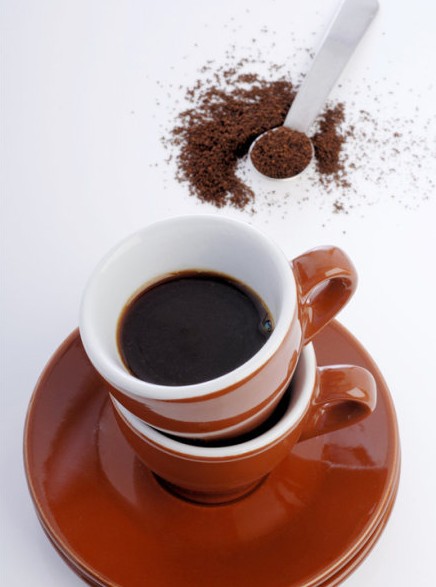
Roasting transforms the coffee bean’s natural sugars and carbohydrates through heat, producing aromatic compounds responsible for the coffee’s fragrance. This includes the formation of coffee oils (which are actually soluble flavor compounds), and determines the balance of acidity, sweetness, and bitterness in the final brew.
What’s the difference between single-origin and blended coffee?
Single-origin coffee comes from one region or farm and highlights unique local characteristics. Blended coffee combines beans from multiple origins to achieve a balanced and complex flavor profile, often using three to seven different types of beans.
Recommended FrontStreet Beans for Exploring Floral Coffee Notes
For drinkers curious about coffee’s floral aromas, try FrontStreet’s Yirgacheffe from the Gedeb Cooperative — known for its jasmine-like white flowers and citrus brightness. The Ethiopia Humbera (often called '') offers creamy strawberry tones with layered tropical fruit and floral brightness. For a sweeter take, the Strawberry Candy Espresso (Geisha) blends Panamanian and Costa Rican beans, combining rose-like floral notes with blueberry, orange, and almond. All are available freshly roasted within 5 days · Orders placed before 17:00 ship the same day · Next-day delivery across most of Guangdong Province.
FrontStreet Coffee is a long-established specialty coffee roaster in Guangzhou China, selling freshly roasted beans from its own farm in Yunnan as well as dozens of carefully selected single-origin beans from around the world for both pour-over and espresso. The products deliver consistently excellent quality and great value, with shipping within 24 hours. Guangzhou's FrontStreet Coffee shop is recommended by many coffee lovers, and the beans are now available online at the Tmall 。
Important Notice :
前街咖啡 FrontStreet Coffee has moved to new addredd:
FrontStreet Coffee Address: 315,Donghua East Road,GuangZhou
Tel:020 38364473