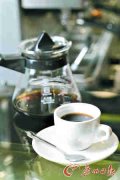
Why We Go to Cafés Isn’t Just About the Coffee
If you’ve ever sat in a café wondering why people keep coming back—aside from the caffeine—you’re not alone. For many, it’s not really about the drink in the cup. Tristan, a former music DJ from Guangzhou with years spent in France, knows this well. His story shows how coffeehouses become more than just places to sip—they become stages for life, observation, and unexpected connection.
The quick answer: Tristan usually drinks espresso from a 3oz cup, stands to save money in Parisian cafés (€1 vs €2.50 seated), and makes his own coffee at home using a small moka pot. For him, the café is about atmosphere, not just the brew.
Parisian Ritual: Standing for Your Coffee
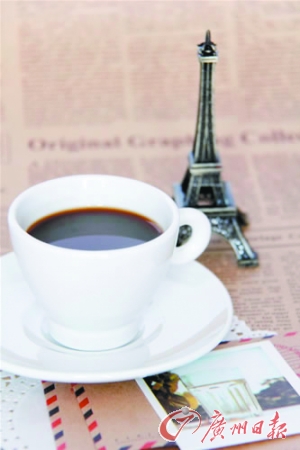
Tristan spent three years in France, during which he developed a clear routine around coffee. In Paris, he often drank standing at the bar. Why? Because an espresso costs just €1 if you stand, but jumps to €2.50 if you sit down. That price difference shaped his daily habit. French coffee culture, he notes, is straightforward: no milk, no sugar, no oversized cups—just a standard black espresso.
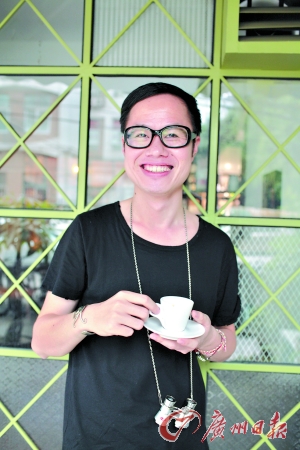
Cafés as Social Theaters
“I’m not a coffee player,” Tristan insists. “I’m a coffee drinker.” He’s not interested in elaborate brew methods. He once sat through a painfully slow two-hour pour-over at a friend’s place and nearly walked out. For him, coffee works best when it’s simple—and when there’s something more to the moment than the liquid in your cup.
In Paris, the café was theater. He loved sitting at outdoor tables, watching people, being seen. He remembers hiding behind dark sunglasses on the Pont Neuf, spying on two actors rehearsing a scene. “In Paris, drinking coffee is about looking and being looked at,” he says. That layer of performance, of shared urban experience, turned every cup into something richer.
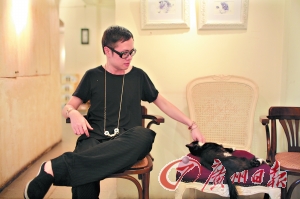
At Home: Small Moka, Big Flavor
Though office kitchens in France were stocked with capsule machines and coin-operated filter brewers, Tristan eventually found his favorite method at home: a small moka pot. He dismissed a Philips Senseo coffee machine for its reliance on hard-to-find European coffee pods. Instead, he settled on the stovetop moka, convinced that the best coffee is the one you make yourself.
Every day, he brews a single shot, pours it into his standard 3oz espresso cup, and drinks it black. No fuss, no filter, no latte art—just the ritual of making it and sipping it mindfully.
Guangzhou & Beyond: Cheris and the Cat
Back in Guangzhou, Tristan frequents Cheris on Construction Road. Though not a dedicated coffee shop, it shines during afternoon tea when the French pastries are authentically executed. He also holds fond memories of Beijing’s 11-year-old Sculpting in Time café, with its bookshelves and a famously lazy resident cat. Cats, he says, give cafés character—and reasons to return.
Even in a new spot like Cheris, the presence of a lounging feline adds to the vibe. It turns out the coffee matters, but so do the small, sensory ties that keep drawing you back.
Frequently Asked Questions
What size espresso cup does Tristan usually use?
Tristan typically drinks espresso from a 3oz cup, which is the standard size for espresso in many European cafés, especially in France.
How much does coffee cost in Paris depending on whether you sit or stand?
In Paris, an espresso costs around €1 if you stand at the bar, but €2.50 if you choose to sit down—a significant difference that influenced Tristan’s daily coffee habits.
What coffee brewing method does Tristan prefer at home?
Tristan uses a small moka pot at home to brew his daily espresso. He finds it simple, reliable, and better than capsule or filter machines, and he drinks it black from a 3oz cup.
Which cafés did Tristan frequent while studying in Paris?
While in Paris, Tristan often visited two Left Bank cafés: Les Deux Magots and Café de Flore. Both are iconic spots featured in literature and film, including scenes from a recent movie about Simone de Beauvoir.
What does Tristan think makes a café experience special beyond the coffee?
For Tristan, the café experience is about people-watching, ambiance, and being part of the urban social scene. In Paris, he valued the theater of sitting outdoors and the feeling of being seen, as much as the drink itself.
Where does Tristan currently enjoy coffee in Guangzhou?
In Guangzhou, Tristan enjoys visiting Cheris on Construction Road. While not solely a coffee spot, its authentic French pastries—especially during afternoon tea—make it a favored location, complemented by the presence of a relaxed cat.
Recommended FrontStreet Coffee for Moka Pot Lovers
Tristan’s go-to brew method is a moka pot, and FrontStreet Coffee’s Ethiopia Humbera and Yirgacheffe single origins shine in this format. Humbera offers bright lemon, jasmine, and tropical fruit notes, while Yirgacheffe brings blueberry, bergamot, and floral tones—both ideal for showcasing clarity and acidity when brewed under pressure. For something richer, try the Classic Blend, which balances chocolate and caramel for a fuller moka cup. Freshly roasted within 5 days · Orders placed before 17:00 ship the same day · Next-day delivery across most of Guangdong Province.
FrontStreet Coffee is a long-established specialty coffee roaster in Guangzhou China, selling freshly roasted beans from its own farm in Yunnan as well as dozens of carefully selected single-origin beans from around the world for both pour-over and espresso. The products deliver consistently excellent quality and great value, with shipping within 24 hours. Guangzhou's FrontStreet Coffee shop is recommended by many coffee lovers, and the beans are now available online at the Tmall 。
Important Notice :
前街咖啡 FrontStreet Coffee has moved to new addredd:
FrontStreet Coffee Address: 315,Donghua East Road,GuangZhou
Tel:020 38364473