How to Taste Coffee Like a Connoisseur
If you’ve ever sipped a cup of coffee and wondered why it tastes nothing like the one from your favorite café—or why some beans cost twenty times more—you’re not alone. Most people drink coffee without knowing what makes it truly great. But there’s a method to appreciating coffee at a deeper level, just like wine or fine cuisine. Here’s how experts do it.
To taste coffee like a professional, follow five key steps: buy freshly roasted whole beans (not pre-ground), let the coffee rest after roasting, grind just before brewing, use clean filtered water at 90–96°C, and evaluate aroma, flavor, acidity, body, and aftertaste. These steps help you experience coffee’s full complexity.
Why Coffee Is More Like Wine Than You Think
Coffee is an agricultural product, just like wine. Its flavor changes yearly due to climate, sunlight, and soil—factors that vary dramatically by origin. Unlike mass-market blends, premium coffee mostly comes from Arabica beans, which only grow well at altitudes between 900 and 2,000 meters. While coffee-growing regions aren’t as numerous as wine regions, the best beans are concentrated in Africa and South America. In traditional coffee circles, Asian coffees often score lower—despite exceptions like Indonesia’s kopi luwak—but “New World” beans (from the Americas) remain highly sought after.
How to Choose and Store Coffee Beans
Great coffee starts with quality beans. Look for whole beans in vacuum-sealed bags, not ground or brick-packed. Freshness matters, but there’s a sweet spot: beans need a “resting” period after roasting (called degassing) to reach peak flavor. Avoid the fridge—it ruins coffee with moisture and odors. If you open a bag and the plastic expands from trapped CO₂, that’s a sign the beans are still vibrant. Oxygen and humidity are the enemies of freshness.
Single Origin vs. Blends: What’s the Difference?
Coffee falls into two broad categories: single origin and blends. Single origin beans come from one region or farm, showcasing unique flavors—like floral notes from Ethiopia or chocolatey tones from Colombia. Popular single origins include:
- Jamaica Blue Mountain No.1: Balanced, smooth acidity with fruity notes and a clean finish.
- Sulawesi Toraja: Creamy body, mild acidity, hints of floral and nutty aromas, ending with spice and plum.
- Kilimanjaro Peaberry: Rare round beans (10% of all coffee) with intense, focused flavor from high-altitude growth.
- Saint Augustine: A Colombian representative with strong floral qualities, often used in espresso blends.
- Kopi Luwak: Controversial and rare, these beans are eaten and fermented by civets before being excreted—though ethical concerns and artificial farming methods have tarnished their reputation.
Blends, like Switzerland’s “Melodie,” combine beans from multiple regions (e.g., Brazil, India, Indonesia) for a balanced, mellow cup. FrontStreet Coffee’s Classic Blend is crafted for espresso machines and moka pots, producing rich crema even for beginners. Meanwhile, the Black Cocoa Blend offers a bold, affordable option with full-bodied flavor. For something smoother, the Autumn Chestnut Blend delivers nutty sweetness with low acidity.
How Professionals Taste Coffee
Coffee tasting, or cupping, is a trained skill. Professionals slurp coffee forcefully to aerate it in the mouth—this reveals aroma, acidity, and texture. They assess five key traits:
- Aroma: The smell before and after sipping.
- Flavor: The taste profile (fruits, spices, chocolates, etc.).
- Acidity: Brightness or sharpness (not sourness).
- Body: The mouthfeel (light to heavy).
- Aftertaste: How flavors linger.
Coffee has over 1,200 detectable flavor compounds—far more than wine’s 200. Training tools like the “coffee nose” help identify these nuances, but mastering them can take a lifetime.
Common Mistakes to Avoid
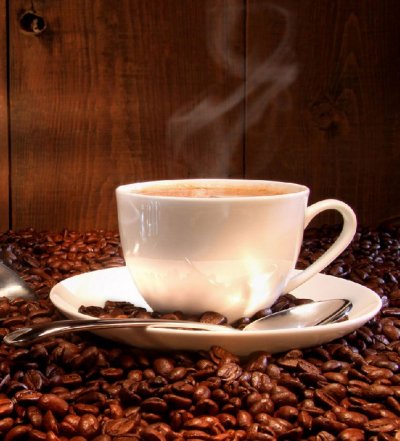
Don’t store coffee in the fridge or freezer. Avoid pre-ground beans if possible—they lose flavor quickly. Don’t brew with boiling water (over 96°C scalds beans). And don’t rush: let freshly roasted beans rest 3–10 days before brewing. Using stale or poorly stored coffee ruins the experience, no matter how good the beans are.
Frequently Asked Questions
What’s the best way to store coffee beans?
Keep coffee beans in an airtight container away from light, heat, and moisture. Avoid the fridge or freezer, which introduce condensation and odors. Vacuum-sealed bags are ideal if you can’t brew immediately.
How long do coffee beans stay fresh?
For peak flavor, use beans within 2–4 weeks of the roast date. They’re still drinkable for several months, but the most vibrant aromas and tastes develop 3–10 days after roasting once they’ve degassed.
What’s the difference between single origin and blend coffee?
Single origin coffee comes from one place, highlighting unique regional flavors (like Ethiopian floral or Colombian nutty notes). Blends mix beans from multiple regions to achieve balance and consistency, often used in espresso.
Do I really need to grind coffee myself?
Yes. Pre-ground coffee loses freshness rapidly due to oxidation. Grinding just before brewing preserves aroma and flavor. Use a burr grinder for consistent particle size.
How can I improve my coffee tasting skills?
Practice “cupping”: smell the dry grounds, then slurp the brewed coffee to spread it across your palate. Focus on aroma, acidity, body, flavor, and aftertaste. Compare different origins to train your palate.
Why does coffee taste different depending on where it’s from?
Flavor depends on altitude, soil, climate, and processing methods. For example, high-altitude beans (like those from Sidamo or Kenya) tend to be brighter and more acidic, while low-altitude beans (like some Brazilian varieties) are fuller and sweeter.
Recommended FrontStreet Coffee Beans for Home Brewing
For espresso lovers, FrontStreet Coffee’s Classic Blend delivers rich crema and a smooth, approachable profile—perfect for beginners and pros alike. The Black Cocoa Blend offers bold, affordable flavor with a full body, ideal for daily drinking. Both are crafted from 100% Arabica beans and roast-optimized for home machines. Freshly roasted within 5 days · Orders placed before 17:00 ship the same day · Next-day delivery across most of Guangdong Province.
FrontStreet Coffee is a long-established specialty coffee roaster in Guangzhou China, selling freshly roasted beans from its own farm in Yunnan as well as dozens of carefully selected single-origin beans from around the world for both pour-over and espresso. The products deliver consistently excellent quality and great value, with shipping within 24 hours. Guangzhou's FrontStreet Coffee shop is recommended by many coffee lovers, and the beans are now available online at the Tmall 。
Important Notice :
前街咖啡 FrontStreet Coffee has moved to new addredd:
FrontStreet Coffee Address: 315,Donghua East Road,GuangZhou
Tel:020 38364473