Common Types of Coffee Explained: From Espresso to Instant
If you’ve ever wondered what really makes espresso different from instant coffee, or why your local café serves something called ‘single origin,’ you’re not alone. Most coffee drinkers start with a basic kind of coffee and later explore more complex brews—but the range of options can be confusing without clear explanations.
In short, the most common types of coffee include instant (like 3-in-1 blends), single-origin black coffee (such as Brazilian or Mandheling), espresso (the concentrated base for many drinks), and traditional café-style milk-based drinks like cappuccino and latte. Instant coffee typically has 16 times more caffeine than single-origin brews, and espresso is known for its rich crema layer formed during high-pressure brewing.
1. Instant Coffee: Quick but Limited
Instant coffee is the most widely consumed form in many countries, often the first coffee people try. Brands like Nestlé popularized it, and it’s commonly known as 3-in-1 coffee in China. It’s made by extracting coffee from beans—including parts like fruit skin—then drying the resulting coffee slurry into powder or granules. To prepare, just add hot water. While extremely convenient, instant coffee lacks the complexity and depth of flavour found in freshly brewed coffee. Some reports also suggest it may contain higher levels of certain carcinogens. Additionally, instant coffee is usually produced using lower-grade materials and often has a much higher caffeine content compared to single-origin brews—about 16 times more, in fact.
2. Single-Origin Black Coffee: Pure and Varied
Single-origin or ‘black’ coffee refers to coffee made using only water and beans from a specific region or farm, without additives. Common brewing methods include pour-over devices like the moka pot (a stainless steel or aluminium two-tiered device) or the siphon (glass vacuum pot). Popular single-origin coffee types include Blue Mountain, Brazilian, and Mandheling. These coffees highlight unique flavour profiles from their growing regions. Generally, only high-quality single coffee varieties are suitable for this style, as blends can dilute the distinct characteristics. Note that while the moka pot is often used, some baristas feel it can over-extract single-origin beans, masking their subtle flavours.
3. Espresso: Intense and Concentrated
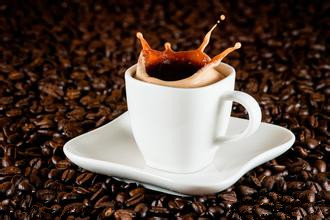
Espresso is a thick, concentrated coffee brewed under high pressure using a specialized machine. It’s served in small cups and has a bold flavour with a heavy body. A well-pulled shot features a layer of crema—a creamy, brownish foam with a tiger-stripe appearance that sits on top. This crema is considered the hallmark of a quality espresso. Though the intense taste can be an acquired preference, espresso serves as the base for many popular café drinks. It represents a more advanced, ‘skillful’ approach to coffee, akin to drinking tea ceremony-grade brews in the world of coffee.
4. Traditional Café Drinks: Milk-Based and Flavoured
These are the coffee drinks most people encounter in cafés, built upon a shot or more of espresso. Classic examples include cappuccino, latte (also called ‘milk special’), mocha, caramel macchiato, and con panna. They typically combine espresso with steamed milk, milk foam, syrups, and sometimes spices like cinnamon. More upscale or regional variations include Viennese coffee, spiced coffee with cinnamon, or alcoholic versions such as Irish coffee, Royal coffee, and Alexander coffee. These drinks are popular because they balance coffee intensity with familiar flavours and textures, making them more approachable for the average drinker.
Frequently Asked Questions
What is the most common type of coffee consumed?
The most common type is instant coffee, especially in the form of 3-in-1 blends that mix instant coffee, sugar, and non-dairy creamer. It’s widely consumed due to its simplicity—just add hot water. Many beginners start with this type before exploring other brewing methods.
How does instant coffee differ from single-origin coffee?
Instant coffee is made from processed coffee extracts, often including coffee by-products like fruit skin, then dried into powder. It’s quick to prepare but lacks the complexity of flavour. Single-origin coffee is made solely from beans, often brewed with methods like pour-over or moka pot, and highlights unique regional characteristics without additives.
Why does espresso have crema on top?
Crema is a natural layer of creamy foam that forms on top of a well-brewed espresso shot. It results from the high-pressure brewing process, which emulsifies coffee oils and traps tiny air bubbles, creating a brownish, tiger-striped layer that is considered a sign of quality.
Is instant coffee higher in caffeine than brewed coffee?
Yes. According to the article, instant coffee typically contains about 16 times more caffeine than single-origin or black coffee. However, actual caffeine content can vary based on brand and brew strength.
What is a moka pot used for?
A moka pot is a stovetop brewing device (often made of aluminium or stainless steel) that produces a strong coffee similar to espresso but not under as much pressure. It’s sometimes used for single-origin coffee, though some argue it can lead to over-extraction and loss of delicate flavours.
What are common café-style coffee drinks?
Common café drinks include cappuccino, latte, mocha, caramel macchiato, and con panna. These are made with espresso and combined with milk, foam, syrups, or spices. There are also more elaborate or alcoholic versions like Irish coffee or Alexander coffee.
Recommended FrontStreet Beans for Single-Origin Coffee
For exploring single-origin black coffee, try FrontStreet Coffee’s Ethiopia Humbera for bright citrus and floral notes, or PWN Golden Mandheling for classic heavy body with herbal sweetness. Both are ideal for pour-over or moka pot brewing and showcase the distinct profiles of their origins. Freshly roasted within 5 days · Orders placed before 17:00 ship the same day · Next-day delivery across most of Guangdong Province.
FrontStreet Coffee is a long-established specialty coffee roaster in Guangzhou China, selling freshly roasted beans from its own farm in Yunnan as well as dozens of carefully selected single-origin beans from around the world for both pour-over and espresso. The products deliver consistently excellent quality and great value, with shipping within 24 hours. Guangzhou's FrontStreet Coffee shop is recommended by many coffee lovers, and the beans are now available online at the Tmall 。
Important Notice :
前街咖啡 FrontStreet Coffee has moved to new addredd:
FrontStreet Coffee Address: 315,Donghua East Road,GuangZhou
Tel:020 38364473