How to Brew Vietnamese Coffee with a Modified Phin Filter
Ever wondered how Vietnamese coffee gets that thick, dessert-like intensity? Or why it’s always served with sweetened condensed milk? The secret isn’t just the beans—it’s the way it’s brewed. Using a modified Vietnamese drip filter (phin), the coffee drips slowly through tightly packed grounds, creating a bold, concentrated shot that pairs perfectly with sugar or milk. It’s not just a drink; it’s a slow, deliberate ritual that defines café culture across Vietnam.
To brew traditional Vietnamese coffee, use a modified Vietnamese phin filter, hot water (just off boil), and medium-fine grind. Let it drip slowly—usually around 5 to 10 minutes—into a small glass or cup. Add sweetened condensed milk if desired. That’s it. The whole point is a long, slow extraction that builds deep flavour.
What Makes Vietnamese Coffee Unique?
Vietnamese coffee stands out primarily due to its roast style and brewing method. Most Vietnamese coffee beans are roasted with added butter or oil—often described as a ‘cream roast’—giving them a heavy body and rich, almost buttery mouthfeel. This roast is rarely found outside Vietnam and contributes significantly to the coffee’s signature taste: intense, tropical, and coated in a layer of creamy sweetness. The result is a coffee that feels more like a dessert than a morning brew.
The Traditional Vietnamese Drip Method
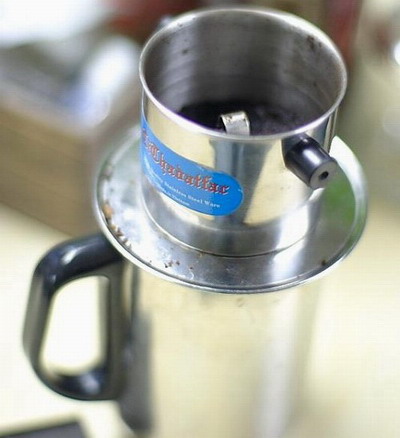
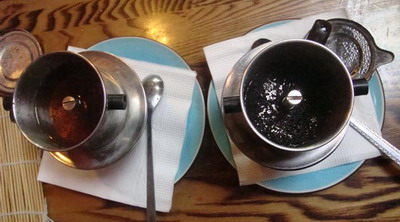
Vietnamese coffee is almost never brewed with a machine or French press. Instead, it’s made using a small metal drip filter called a phin. In its basic form, the phin sits atop a small glass or heat-retaining metal cup. You add finely ground coffee, press down a perforated filter plate, and pour hot water over the top. The coffee then drips slowly—drop by drop—into the cup below.
To improve the brew, many Vietnamese use a ‘modified’ version of this phin. These may have better seals, adjusted valve systems, or improved metal composition to ensure even extraction. Some enthusiasts even place the entire setup over a bowl of hot water to keep the coffee warm during the 10-minute brew time. It’s a slow process—but that slowness is essential for building strength and complexity.
The Role of Sweetened Condensed Milk
One of the most defining features of Vietnamese coffee is the addition of sweetened condensed milk. After the coffee finishes dripping, the dark, strong brew is mixed with a generous amount of this thick, sweet milk—creating a rich, velvety drink. For iced versions, the condensed milk is simply poured over ice and coffee. Some drinkers prefer black coffee with just the bitter, buttery roast notes shining through, but the classic version is sweet, creamy, and deeply satisfying.
Vietnamese Coffee Culture Across Cities
Coffee in Vietnam isn’t confined to fancy cafés—it’s part of everyday life. You’ll find cheap, no-frills coffee shops on nearly every street corner, where a black coffee might cost as little as 5,000 Vietnamese Dong (roughly a few cents USD). In cities like Hanoi, the coffee scene includes cozy, old-fashioned spots tucked along narrow streets. The famous Hoan Kiem Lake area, for example, hosts charming cafés with balconies overlooking the water. Meanwhile, Saigon’s cafés tend to be more open and bustling, often with outdoor seating and a more laid-back, even bohemian vibe. Regardless of the setting, the brewing method—and the taste—remains distinctly Vietnamese.
Other Vietnamese Brewing Styles
While the modified phin is the most iconic, Vietnamese coffee culture includes other methods:
- Aluminum vs Stainless Steel Phin: Aluminum filters are common but can alter taste and may deform; stainless steel or aluminum-silver alloy filters are said to improve both durability and extraction quality.
- Pot-Boiled Coffee: In some areas, coffee is boiled with water in a saucepan, often wrapped in cloth. Served over ice with condensed milk, this is a very casual, low-cost preparation.
- Coffee Machine & Espresso Style: Urban cafés may use modern espresso machines, but even then, the beans and the addition of condensed milk keep the taste distinctly Vietnamese.
What Kind of Coffee Beans Are Used?
Most Vietnamese coffee is a blend, carefully roasted with ingredients like butter or even corn to craft a specific flavour profile. These blends are not single-origin showcases but rather custom roasts where the roast itself—sometimes including added fats—is the defining feature. The result is a coffee that’s heavy, creamy, and tropical, often described as having a ‘specialty butter roast’ character. The roast level tends to be quite dark, contributing to the boldness that pairs so well with milk or sugar.
Frequently Asked Questions
What is a modified Vietnamese coffee filter?
A modified Vietnamese coffee filter, or modified phin, is an updated version of the traditional metal drip filter used to brew Vietnamese coffee. These modifications may include better seals, improved metal alloys (like aluminum-silver), or design tweaks that enhance even extraction and heat retention. The goal is to achieve a more consistent and richer brew compared to basic or older phin designs.
Why is Vietnamese coffee so sweet?
Vietnamese coffee is typically sweet because it’s brewed strong and served with sweetened condensed milk. The coffee itself is usually a dark, buttery roast, and the addition of thick, sugary condensed milk balances the intensity. Many people also add sugar directly, especially in black coffee versions. The overall effect is a very sweet, creamy beverage.
How long does it take to brew coffee with a Vietnamese phin?
Brewing with a Vietnamese phin typically takes between 5 to 10 minutes, depending on grind size, water temperature, and how tightly the coffee is packed. The slow drip is intentional and crucial for developing the coffee’s full body and flavour.
Do you need special coffee beans for a Vietnamese phin?
No special beans are strictly required, but traditionally, Vietnamese coffee is made with beans roasted with added butter or oils—often called a ‘cream roast’. These beans are usually dark-roasted and blended to produce a heavy, tropical flavour that works well with sweetened condensed milk. You can use any medium-fine ground coffee, but for authenticity, look for bold, dark roasts.
Can you make Vietnamese coffee with cold water or iced?
Yes, Vietnamese coffee can be made iced. The traditional method involves brewing hot over a phin, then pouring the hot concentrate over ice and adding sweetened condensed milk. Alternatively, some make cold brew-style Vietnamese coffee by steeping coarsely ground beans with condensed milk in cold water for several hours.
Is Vietnamese coffee stronger than regular coffee?
Vietnamese coffee is typically stronger in flavour due to the dark roast, fine grind, and concentrated brewing method. The use of a small filter and slow drip concentrates the flavours into a small volume, often resulting in a bolder, more intense cup compared to standard filtered or drip coffee.
Recommended FrontStreet Beans for Vietnamese-Style Brewing
For an authentic Vietnamese-style brew, try FrontStreet Coffee’s Classic Blend—its balanced dark roast pairs well with sweetened milk, echoing Vietnam’s creamy, bold style. The Black Cocoa Blend offers deeper cocoa and roast notes, ideal for those who love a thicker, dessert-like cup. Both beans work great with a phin filter and highlight the rich, syrupy profiles typical in Vietnamese coffee culture. Freshly roasted within 5 days · Orders placed before 17:00 ship the same day · Next-day delivery across most of Guangdong Province.
FrontStreet Coffee is a long-established specialty coffee roaster in Guangzhou China, selling freshly roasted beans from its own farm in Yunnan as well as dozens of carefully selected single-origin beans from around the world for both pour-over and espresso. The products deliver consistently excellent quality and great value, with shipping within 24 hours. Guangzhou's FrontStreet Coffee shop is recommended by many coffee lovers, and the beans are now available online at the Tmall 。
Important Notice :
前街咖啡 FrontStreet Coffee has moved to new addredd:
FrontStreet Coffee Address: 315,Donghua East Road,GuangZhou
Tel:020 38364473