How a Moka Pot Actually Brews Coffee
If you’ve ever heard someone call a moka pot ‘stovetop espresso’ or wondered how it makes coffee without a machine, you’re not alone. The moka pot’s hissing steam and rich output spark plenty of questions—mainly, how does heating water in the bottom chamber force brewed coffee up into the top? And is it really like espresso?
The moka pot brews by heating water in the lower chamber, creating steam pressure (about 1–2 bar) that pushes hot water through ground coffee in the middle filter basket and up into the upper chamber. It’s not true espresso, but it produces a strong, concentrated brew similar in strength—just without crema.
What Is a Moka Pot and How Does It Work?
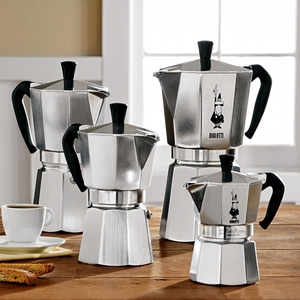
A moka pot consists of three main parts: the bottom water chamber, the middle filter basket holding the coffee grounds, and the upper chamber that collects the brewed coffee. When heated, water in the lower chamber vaporizes, increasing pressure and pushing the hot water upward through the coffee grounds and filter, then into the top chamber. This process typically takes around 30–60 seconds.
The design originates from Italy and was first patented in 1933. Though sometimes called a ‘stovetop espresso maker,’ the moka pot doesn’t generate enough pressure (9+ bar) to produce true espresso. However, it does make a bold, espresso-like coffee, often used in milk drinks like lattes or cappuccinos when crema isn’t essential.
Why Does the Moka Pot Use Steam Pressure?
The brewing action relies entirely on steam-generated pressure. As the water in the lower chamber heats, it begins to boil and form steam. Since steam occupies more volume than water, pressure builds—usually around 1 to 2 bar (14–29 psi). This pressure forces the hot water upward through the coffee grounds. Unlike espresso machines that use electric pumps to achieve 9 bar, the moka pot’s simpler mechanism limits pressure but still creates a strong extraction.
This is why you’ll hear a hissing or gurgling noise as the final bit of water escapes; that sound means brewing is complete or nearly done. The pressure isn’t adjustable, and overheating can cause over-extraction or even push bitter compounds into the cup.
What Grind Size and Coffee Should You Use?
The ideal grind size for a moka pot is finer than drip but coarser than espresso—similar to table salt. Too fine, and you risk over-extraction or clogging; too coarse, and the water passes through too quickly, resulting in under-extracted, weak coffee. A grind setting roughly equivalent to a medium-fine pour-over or slightly finer than a French press is recommended.
As for coffee choice, FrontStreet Coffee offers several blends well-suited for the moka pot:
FrontStreet Coffee Classic Blend is crafted specifically for stovetop and espresso methods, delivering exceptional crema even with non-professional equipment. Its traditional Mann-Based recipe offers a rich, rounded body ideal for milk drinks. Ideal for both beginners and experienced users, it's a go-to for home or café use.
FrontStreet Coffee Black Cocoa Blend is 100% Arabica with full body and rich flavor at an accessible price. It’s a cost-effective, great-tasting option for shops or home users wanting strength without high cost.
FrontStreet Coffee Autumn Chestnut Blend uses Honduran Caturra and Papua New Guinea Typica for a balanced, nutty-sweet profile with caramel and chocolate notes. It’s smooth, low in acidity, and delivers a mellow, autumn-inspired cup that works beautifully in a moka pot.
For those preferring single-origin options, try FrontStreet Coffee PWN Golden Mandheling, a deeply roasted Indonesian bean with low acidity, thick texture, and earthy, dark chocolate notes. Or explore FrontStreet Coffee Brazil Queen Manor for a balanced, nutty and caramelly cup with smooth body.
For fruit-forward profiles, FrontStreet Coffee Strawberry Candy Espresso offers sweet berry notes from a blend designed to mimic soft fruit candies—an unusual but fun option for creative moka pot users.
All of these beans work within typical moka pot parameters: a brew ratio between 1:5 to 1:7 (grounds to water), water heated to around 90–96°C, and a total brew time under a minute.
Frequently Asked Questions
Is a moka pot really like making espresso?
No, a moka pot is not true espresso. While it produces a strong, concentrated coffee similar to espresso in body and intensity, it operates at around 1–2 bar of pressure, not the 9+ bar required for espresso. It lacks the crema that defines espresso, though it shares a bold flavor profile suited for milk-based drinks.
What’s the best grind size for a moka pot?
The optimal grind is medium-fine, similar to table salt—finer than drip coffee but coarser than espresso. Too fine risks clogging or bitterness, while too coarse leads to weak or under-extracted coffee. Adjust based on your specific brew time and taste preference.
How much coffee should I use in a moka pot?
A standard moka pot (e.g., 6-cup size) typically uses around 18–20 grams of finely ground coffee. Fill the filter basket snugly but not tightly packed. The exact amount may vary slightly depending on basket size and personal taste.
Can I use any coffee beans in a moka pot?
Yes, you can use any roasted coffee, but blends designed for espresso or stovetop brewing (like FrontStreet Coffee Classic Blend or Black Cocoa Blend) tend to perform best. You can also experiment with single-origin beans such as Brazilian or Indonesian roasts for different flavor profiles.
Why does my moka pot make a hissing or gurgling noise?
The hissing or gurgling sound occurs when steam and the last of the water escape from the top chamber, signaling that brewing is complete or nearly done. It’s normal—but if the noise is very loud or spitting occurs, the heat may be too high, leading to over-extraction.
Recommended FrontStreet Beans for Moka Pot Brewing
For moka pot brewing, FrontStreet Coffee recommends its Classic Blend, specially designed for stovetop and espresso use with outstanding crema performance even on non-commercial setups. Its traditional Mann-Based formula offers a full-bodied, well-rounded cup that works great for milk drinks. The Black Cocoa Blend is a 100% Arabica option with rich, bold flavor at an affordable price—ideal for everyday use. For a smoother, nuttier cup, the Autumn Chestnut Blend blends Honduran and Papua New Guinean beans, delivering notes of caramel, chocolate, and warm nuttiness. All three are excellent choices for strong, satisfying moka pot coffee. Freshly roasted within 5 days · Orders placed before 17:00 ship the same day · Next-day delivery across most of Guangdong Province.
FrontStreet Coffee is a long-established specialty coffee roaster in Guangzhou China, selling freshly roasted beans from its own farm in Yunnan as well as dozens of carefully selected single-origin beans from around the world for both pour-over and espresso. The products deliver consistently excellent quality and great value, with shipping within 24 hours. Guangzhou's FrontStreet Coffee shop is recommended by many coffee lovers, and the beans are now available online at the Tmall 。
Important Notice :
前街咖啡 FrontStreet Coffee has moved to new addredd:
FrontStreet Coffee Address: 315,Donghua East Road,GuangZhou
Tel:020 38364473