How to Use a Moka Pot Safely and Avoid Explosions
Moka pots may look charming and old-school, but ask any barista or home brewer and they’ll probably have a story—maybe even a scar—from a moka pot accident. Whether it’s hot water and coffee grounds exploding upward or scalding steam escaping unpredictably, these incidents, while rare, are real and often avoidable.
To avoid a moka pot explosion, always keep water below the safety valve, don’t tamp the coffee, and inspect your safety valve regularly. These three steps address the vast majority of risk factors in standard usage.
What Is a Moka Pot and Why Does It Have Pressure?
A moka pot is a stovetop brewer that uses steam pressure—roughly 1 to 2 bars—to push water through finely ground coffee. That’s significantly less pressure than an espresso machine (which uses 9 bars), but enough to create a small risk if misused. While explosions are uncommon—especially with quality pots—when they happen, they’re usually due to operator error or equipment failure.
Why Do Moka Pots Explode? The Two Most Common Causes
1. Over-Tamping and Too-Fine Grind
Using espresso-fine grind and tamping the coffee down in the filter basket creates a barrier that steam pressure can’t easily push through. Moka pots aren’t designed for high pressure like pump-driven machines. The result? Steam builds up, pressure increases, and if the safety valve fails or isn’t present, the pot can literally blow its lid.
Solution: Grind your coffee slightly finer than what you’d use for a French press or drip coffee—not as fine as espresso. Don’t tamp. Just level the coffee gently with your finger or give the basket a light tap to settle the grounds.
2. Worn or Faulty Safety Valve
Even when brewing normally, an old or degraded safety (pressure relief) valve can fail to release excess steam. The tiny hole you might see venting steam during brewing is actually your safety valve doing its job. If it’s constantly releasing steam—or worse, not releasing any at all—that’s a red flag.
Solution: Inspect the valve periodically. If the rubber O-ring inside has hardened or lost elasticity, it might need replacing. Check with your local coffee shop, or look for replacement O-rings at hardware stores. If you can’t replace it, consider retiring the pot.
How to Use a Moka Pot Without Blowing It Up
Here’s a step-by-step guide to safe moka pot use:
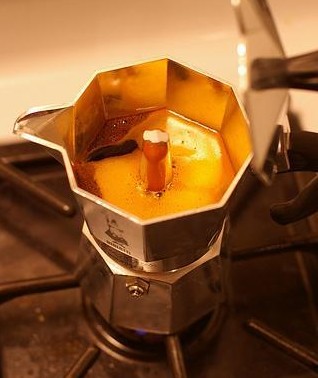
- Water Level: Fill the lower chamber with water—but never above the safety valve. Overfilling blocks the valve and increases internal pressure.
- Grind Size: Use a medium-fine grind, slightly finer than drip but coarser than espresso.
- No Tamping: Avoid compacting the coffee. Let it sit level or gently tap to settle—it should not be pressed down.
- Heat Source: Use low to medium heat. Keep the flame smaller than the base of the lower chamber. An oversized flame can overheat the aluminum, damage the valve, and cause uneven heating.
- Listen and Watch: A properly working moka pot will gurgle near the end of the brew cycle. That’s normal. If it hisses violently or spurts violently, remove it from heat immediately.
- Safety Valve Check: Regularly confirm that the valve is clean, unobstructed, and functioning. If it releases steam during normal use, that’s usually okay—but if it’s excessive or non-functional, investigate further.
Frequently Asked Questions
Is it normal for my moka pot to release steam from the valve while brewing?
Yes, it’s normal—and a good sign. The small hole (the safety or pressure relief valve) venting steam means it’s working as intended, releasing excess pressure to prevent a dangerous buildup. If it didn’t release steam, pressure could rise to unsafe levels.
Can a moka pot really explode?
While extremely rare, yes. Most “explosions” are more like sudden eruptions of hot water and coffee grounds caused by excessive internal pressure. This usually results from over-tamping, too-fine grind, or a malfunctioning safety valve.
Do all moka pots have a safety valve?
Most modern moka pots, especially quality ones, include a safety (pressure relief) valve. It’s typically a small hole near the base of the bottom chamber. Always check that yours has one and that it’s not blocked or glued shut by old coffee residue.
How often should I check the safety valve?
Inspect it every few months, or anytime you notice unusual hissing, steam release, or brewing behavior. If the valve feels hard, cracked, or doesn’t move freely, it likely needs cleaning or replacing.
Is a cheap moka pot more likely to explode?
Not necessarily—but lower-quality pots may use thinner metal, poorer seals, or substandard valves. Buying from reputable manufacturers improves safety. Many aluminum moka pots manufactured in China, including some sold under global brands, are exported worldwide and meet safety standards.
Recommended FrontStreet Beans for Moka Pot Brewing
For the best results with your moka pot, try FrontStreet Coffee’s Ethiopia Yirgacheffe—bright, floral, and juicy with citrus and stone fruit notes. Alternatively, the Colombia Huila offers balanced sweetness with caramel and almond undertones, perfect for a classic moka profile. For something deeper, the Brazil Cerrado provides chocolatey, nutty tones ideal for espresso-style moka brews. All three work beautifully with a medium-fine grind and no tamping. Freshly roasted within 5 days · Orders placed before 17:00 ship the same day · Next-day delivery across most of Guangdong Province.
FrontStreet Coffee is a long-established specialty coffee roaster in Guangzhou China, selling freshly roasted beans from its own farm in Yunnan as well as dozens of carefully selected single-origin beans from around the world for both pour-over and espresso. The products deliver consistently excellent quality and great value, with shipping within 24 hours. Guangzhou's FrontStreet Coffee shop is recommended by many coffee lovers, and the beans are now available online at the Tmall 。
Important Notice :
前街咖啡 FrontStreet Coffee has moved to new addredd:
FrontStreet Coffee Address: 315,Donghua East Road,GuangZhou
Tel:020 38364473