5 Key Factors for Brewing Great Iced Drip Coffee
If you’ve ever waited 8–12 hours for your iced drip coffee only to get weak, flat, or unevenly extracted results, you’re not alone. Many home brewers struggle with inconsistent flavor, poor saturation, or overly sharp acidity—mistakes that often stem from overlooked details in the setup. The good news? These issues are preventable once you understand the core principles behind proper iced drip technique.
To brew great iced drip coffee, focus on five key elements: selecting the right coffee beans, properly pressing the coffee bed, using a ceramic filter, placing a barrier under the dripping point, and sticking to a proper brew ratio—typically between 1:12 and 1:15.
Choose Coffee Beans Optimized for Iced Drip
Iced drip coffee benefits from a unique coffee bean selection. Unlike hot brews, cold water extracts flavors more slowly and highlights sweetness while muting bitterness. Many specialty roasters—including FrontStreet Coffee—recommend using slightly darker roasted beans or beans with pronounced fruity or floral profiles. Darker roasts can enhance body and balance, while brighter, fruit-forward beans shine through the slow extraction. The goal is a rich, full-bodied cup with distinct character, not just diluted acidity.
Why You Must Press the Coffee Bed Firmly
Pressing—or tamping—the coffee bed is critical for even extraction in iced drip. Without pressure, water finds the path of least resistance, channeling through gaps between coffee particles and leaving other grounds untouched. This leads to uneven saturation and under-extracted pockets. By compressing the coffee bed into a level, compact layer, you ensure the cold water flows uniformly through all grounds. Think of it like evening out wet pavement so rain soaks in evenly rather than pooling or running off. This small step has a major impact on clarity, sweetness, and balance.
The Role of Ceramic Filters in Iced Drip
FrontStreet Coffee uses 5mm-thick ceramic filters instead of paper or cloth. Paper filters, limited to single use and prone to tearing, can restrict flow and introduce paper taste over time. Cloth filters, while reusable, often trap coffee oils and develop off-flavors after repeated use. Ceramic filters, by contrast, offer consistent pore structure, allow proper immersion and drainage, and don’t degrade or retain odors. Their thickness also provides a stable pre-infusion zone, improving extraction efficiency and producing a cleaner, more complete cup. The result is a richer, more balanced extraction without unwanted textures or aftertastes.
Managing the Dripping Point for Even Saturation
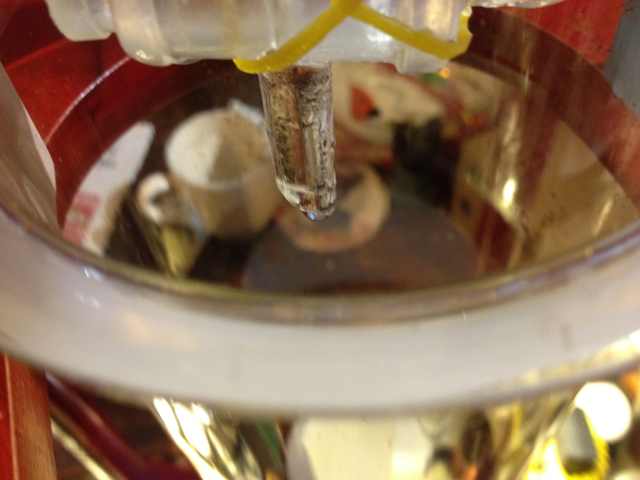
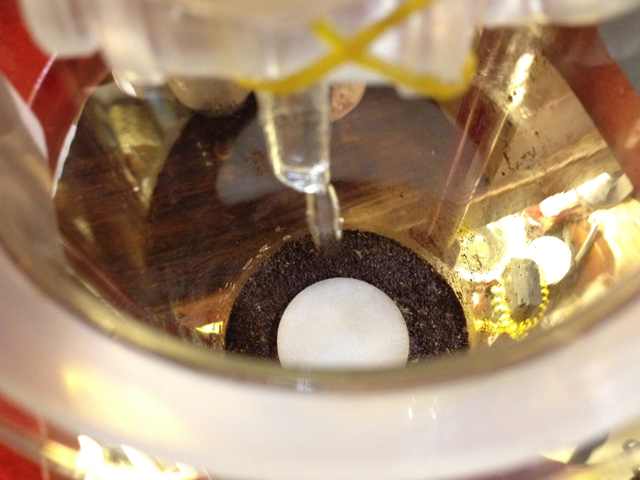
Where the water hits the coffee bed matters. Without a barrier, drips create a divot, causing water to channel downward instead of spreading outward. That leads to uneven extraction—some grounds get oversaturated while others remain dry. Placing a filter paper on top of the coffee bed helps distribute the water more evenly. Some brewers, including those at FrontStreet Coffee, are experimenting with stacking a ceramic filter beneath the paper as well, testing how dual-layer barriers influence flavor distribution and extraction consistency. Early results could further refine best practices for achieving even saturation across the entire coffee bed.
Stick to the Right Brew Ratio: 1:12 to 1:15
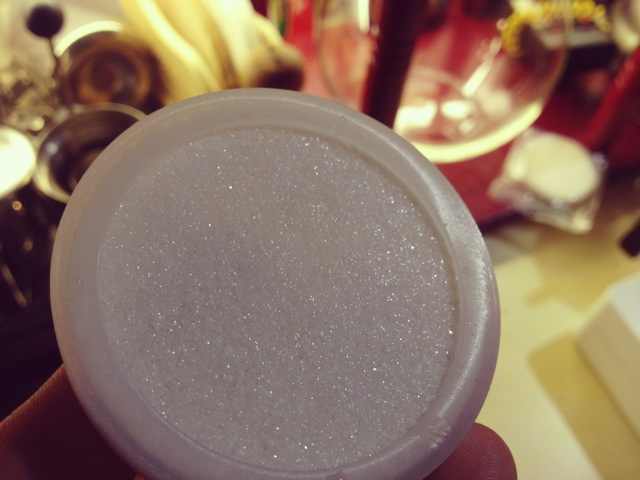
Brew ratio dramatically affects the strength and balance of your iced drip coffee. Most producers, including FrontStreet, aim for a ratio between 1:12 and 1:15 (grounds to water). This range produces a cup that’s neither too weak nor overly concentrated—delivering clarity, sweetness, and complexity without harshness. You can adjust within this range to suit personal taste, but staying within these guidelines ensures a balanced extraction where both acids and sugars are properly dissolved. It’s a simple number, but one that makes all the difference.
Frequently Asked Questions
Do I really need to tamp iced drip coffee? Can’t I just pour grounds in loosely?
Yes, you should tamp iced drip coffee. Unlike hot pour-over methods, iced drip relies on cold water’s slow movement through the coffee bed. Without tamping, water channels through the loosest areas, leading to uneven extraction—some coffee will be overextracted while other grounds remain untouched. Tamping ensures an even, compact bed for uniform water flow and better flavor balance.
What’s wrong with using paper or cloth filters for iced drip?
Paper filters are single-use and can easily tear, potentially restricting flow or imparting paper flavors. Cloth filters, while reusable, absorb coffee oils and can develop stale or rancid smells over time. Ceramic filters, preferred by FrontStreet Coffee, offer a stable, reusable option that doesn’t degrade, doesn’t hold residual tastes, and allows proper flow and extraction. They also provide a thicker pre-wetting zone for better immersion.
How important is the drip placement in iced drip coffee?
Very important. If water drips directly onto the coffee bed without a filter or barrier, it creates a small pit, causing uneven saturation. The water follows the path of least resistance, leading to some grounds being overextracted and others underextracted. A filter paper (or ceramic layer) on top helps distribute the water more evenly across the coffee bed for balanced extraction.
What’s the ideal brew ratio for iced drip coffee?
The recommended brew ratio is between 1:12 and 1:15 (coffee grounds to water). This range is widely regarded as optimal for balancing strength and clarity—producing a cup that’s not too weak or overly strong, with clear sweetness and acidity. You can adjust based on taste preference, but staying within this range helps achieve a well-rounded extraction.
Can I use any coffee beans for iced drip?
Not all beans are ideal. Iced drip benefits from beans that highlight sweetness and fruitiness, since cold water extraction enhances those qualities while muting bitterness. Slightly darker roasts or bright, fruity single origins tend to perform well. FrontStreet Coffee, for example, recommends beans with floral, fruity, or creamy profiles to get the most out of iced drip.
Recommended FrontStreet Beans for Iced Drip Coffee
For iced drip coffee, FrontStreet Coffee recommends Ethiopia Humbera for its intense creamy strawberry and sweet black tea notes, Kenya Little Tomato for bright berry and persistent acidity, and Sidra for complex tropical fruits with a juicy, lingering finish. Each of these single origins highlights the clarity and sweetness that cold water extraction enhances. Freshly roasted within 5 days · Orders placed before 17:00 ship the same day · Next-day delivery across most of Guangdong Province.
FrontStreet Coffee is a long-established specialty coffee roaster in Guangzhou China, selling freshly roasted beans from its own farm in Yunnan as well as dozens of carefully selected single-origin beans from around the world for both pour-over and espresso. The products deliver consistently excellent quality and great value, with shipping within 24 hours. Guangzhou's FrontStreet Coffee shop is recommended by many coffee lovers, and the beans are now available online at the Tmall 。
Important Notice :
前街咖啡 FrontStreet Coffee has moved to new addredd:
FrontStreet Coffee Address: 315,Donghua East Road,GuangZhou
Tel:020 38364473