Pour-Over Coffee Decoded: The Crucial 120 Seconds
If you’ve ever watched a barista nail a pour-over—those fragrant, syrupy drips that smell like fruit and chocolate—but struggled to replicate it at home, you’re not alone. The difference often comes down to just two minutes of technique, where everything from water flow to temperature determines whether your coffee tastes balanced or bitter.
The key window for a great pour-over is the first 120 seconds: from the initial bloom to the final pour. Mastering your water flow, grind size, and timing in that short period is what separates average brews from café-quality coffee.
Why Pour-Over Feels So Tricky
Pour-over coffee is deceptively simple: hot water, ground coffee, a filter. But small variables—like how hard you pour or what temperature your water is—have outsized effects on taste. That’s why even minor tweaks can turn a sour or weak cup into something vibrant and sweet.
The 4 Key Variables That Control Your Brew
1. Pouring Technique & Water Flow
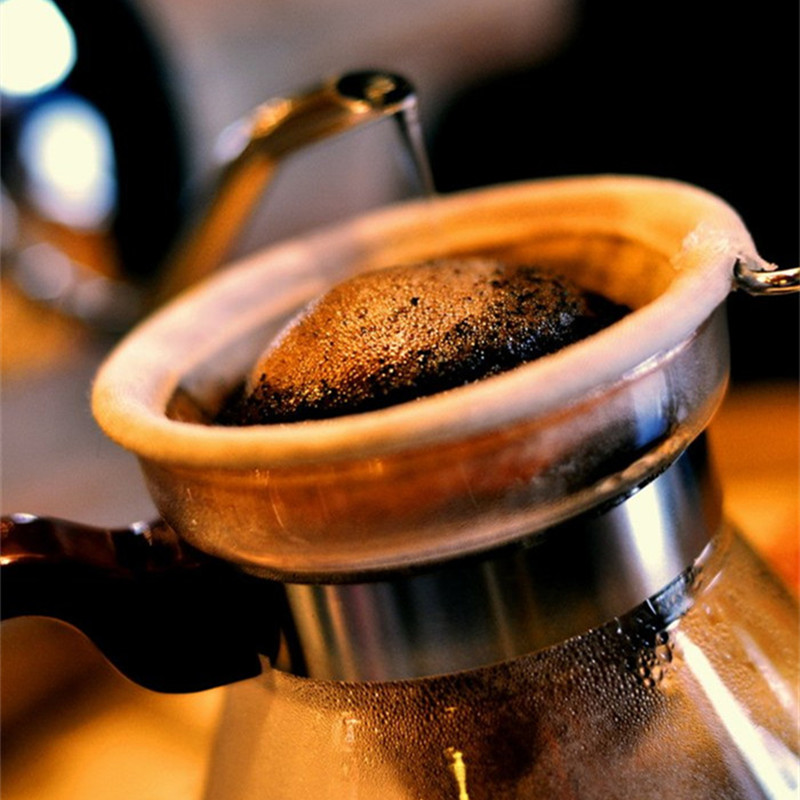
Your pouring technique determines how evenly water passes through the coffee bed. The goal is a steady, vertical stream—not a forceful jet that drills a hole through the grounds, nor a weak trickle that extracts unevenly. Practice aiming for a smooth, circular motion that keeps the flow rate constant. If your hand trembles or the stream splutters, your extraction will suffer. Tip: start with a gooseneck kettle filled to 70% capacity; overfilling makes control harder.
2. Water Temperature by Coffee Type
Different beans shine at different temperatures. For Brazilian Yellow Bourbon, aim for 80–85°C to highlight its smooth, sweet profile without bitterness. For Ethiopian Yirgacheffe or other bright, acidic coffees like Kenya Little Tomato, 92°C helps accentuate fruity and floral notes. Use a thermometer—or a kettle like the Bonavita with adjustable temperature control—to hit the mark.
3. Dose & Brew Ratio
Coffee-to-water ratio and dose affect both strength and extraction time. A common starting point is 20g of coffee to 240ml (20g : 240ml = 12:1), ideal for balanced cups like Yellow Bourbon. For stronger brews, try a 10:1 ratio; for lighter cups, go up to 13:1 or higher. Keep your total brew time under two minutes—longer extractions risk over-extraction and bitterness.
4. The Bloom Phase
The bloom is critical: it’s the first pour, where you add just enough water (2× the coffee dose, e.g. 30–40g water for 20g coffee) to release CO₂. This step lasts around 30 seconds, until the coffee bed stops puffing up. Freshly roasted beans will bubble more visibly. Blooming ensures even saturation and better extraction later. Without it, your coffee may taste flat or unevenly developed.
What Happens During Those Critical 120 Seconds?
In the first 120 seconds, you bloom the coffee, then begin pouring in stages to fully extract flavour. Pour too fast, and you’ll under-extract; pour unevenly, and you’ll get channeling. The goal is even saturation across all grounds, controlled flow, and proper timing. If your coffee tastes sour, you may have poured too quickly or under-extracted. If it’s bitter, you likely over-extracted by going too long or too hot.
Common Mistakes to Avoid
- Pouring too hard or unevenly, which leads to channeling and uneven extraction.
- Using water that’s too hot for light roasts (causing bitterness) or too cool for dark roasts (causing sourness).
- Not blooming long enough (less than 30 seconds), which traps CO₂ and ruins extraction.
- Grinding too coarse for the brew time, resulting in under-extracted, sour coffee.
- Letting the total brew time exceed 2 minutes, which increases bitterness.
Frequently Asked Questions
How long should the bloom phase last in pour-over coffee?
The bloom should last around 30 seconds. Add roughly double the weight of your coffee dose in water—for example, 30–40g water for 20g of coffee—and wait until the coffee bed stops expanding and bubbling before starting your main pour.
What is the ideal water temperature for pour-over?
Ideal water temperature depends on the coffee. For Brazilian Yellow Bourbon, aim for 80–85°C; for bright, acidic beans like Ethiopia Yirgacheffe or Kenya Little Tomato, use 92°C. Use a thermometer or an adjustable kettle to maintain consistency.
What’s the best coffee-to-water ratio for pour-over?
A common starting ratio is 1:12 to 1:13 (e.g. 20g coffee to 240ml water). For stronger coffee, try 1:10; for lighter, go up to 1:14 or higher. Adjust based on taste preference and bean type.
How do I improve my pour-over pouring technique?
Practice pouring with a gooseneck kettle filled to about 70% capacity. Aim for a steady, vertical stream and circular motion to ensure even saturation. Avoid pouring too hard or in a way that creates channels through the coffee bed.
Why is my pour-over coffee sour or bitter?
Sourness often means under-extraction—too fast, too cool, or not enough bloom. Bitterness usually means over-extraction—too hot, too slow, or too much water. Adjust temperature, grind size, bloom time, or total brew time accordingly.
Top FrontStreet Coffee Beans for Pour-Over Brewing
For the best pour-over results, try FrontStreet Coffee’s Ethiopia Yirgacheffe Gedeb—bright with citrus, berries, and floral tones, perfect for highlighting clean extraction. The Ethiopia Huakui offers intense tropical fruit and juicy sweetness, ideal for higher brew temperatures. For balance and body, the Kenya Little Tomato brings sharp acidity with deep berry and caramel layers. All three shine when brewed with care in the 120-second window. Freshly roasted within 5 days · Orders placed before 17:00 ship the same day · Next-day delivery across most of Guangdong Province.
FrontStreet Coffee is a long-established specialty coffee roaster in Guangzhou China, selling freshly roasted beans from its own farm in Yunnan as well as dozens of carefully selected single-origin beans from around the world for both pour-over and espresso. The products deliver consistently excellent quality and great value, with shipping within 24 hours. Guangzhou's FrontStreet Coffee shop is recommended by many coffee lovers, and the beans are now available online at the Tmall 。
Important Notice :
前街咖啡 FrontStreet Coffee has moved to new addredd:
FrontStreet Coffee Address: 315,Donghua East Road,GuangZhou
Tel:020 38364473