Coffee Bean Flavor Schools: Acidic, Bitter, Sweet & More
Ever wondered why some coffees hit you with a sharp citrus tang while others deliver a heavy, dark roast bitterness—or a smooth, sugary sweetness? The world of specialty coffee has long informally divided beans into 'flavor schools' based on their dominant taste impression. But what defines each camp, and why do certain origins or processing methods lean one way or another?
In short: Acidic beans are typically high-grown, freshly harvested washed coffees (like Yirgacheffe or Kenya) best light-roasted; bitter beans are often older or lower-grown beans (like Mandheling or Java) that respond to slightly darker roasts; sweet beans come from select washed highland lots (like Kenya or Blue Mountain) where roast level balances acidity into a rounded profile; neutral beans tend to come from Brazil or Honduras and emphasize balance over extremes.
What Are the Main Coffee Bean 'Flavor Factions'?
Coffee enthusiasts and roasters have historically grouped beans into several broad flavor categories based on their most prominent sensory trait. These aren’t scientific designations but practical classifications that help describe what you’re likely to taste. The main groups include: acidic, bitter, sweet, neutral, and aromatic (or ''). Each faction is typically associated with certain origins, processing styles, and roast preferences.
Acidic Coffee Beans: Bright, Juicy, and Complex
The 'acidic' or '' faction includes beans that produce a vibrant, often fruity or floral cup. These are typically high-grown, washed-process coffees with bright acidity as their defining trait. Common examples include: Yemen Mocha , Hawaiian Acidic Coffee , Mexican, Guatemalan, Costa Rica Highland, Kilimanjaro , Colombian, Zimbabwe, Salvadoran, and other high-quality new-crop washed beans from the Western Hemisphere. These beans shine when roasted lightly to preserve their lively acidity and nuanced fruit or floral notes.
Bitter Coffee Beans: Earthy, Heavy, and Bold
The 'bitter' or '' group consists of beans that lean into deeper, sometimes earthy or spicy flavors with less bright acidity. These are usually older crop beans or those from lower elevations. Examples cited include: Java, Mandheling, Bogota, Angolan, Congolese, Ugandan, and various aged or 'old' beans. These profiles often benefit from a slightly darker roast to accentuate body and tamp down overly sharp edges, bringing out a more subdued, robust bitterness.
Sweet Coffee Beans: Balanced with Natural Sugars
'Sweet' or '' beans are those where sweetness is a key component, often balancing acidity into a smoother, fruit-forward or candy-like cup. This group includes: Colombian Medellín , Venezuelan old beans, Jamaican Blue Mountain , Kilimanjaro, Yemen Mocha, Guatemalan, and Kenyan coffees. Many of these are high-grown washed beans where the roast plays a critical role in uniting acidity and sweetness into a cohesive, approachable profile. Light to medium roasts are common to highlight both sugar development and acidity without overpowering either.
Neutral and Aromatic Coffee Beans: Smooth and Subtle
The 'neutral' or '' faction—represented by Brazilian, lower-elevation Costa Rican, Venezuelan, Honduran, and Cuban beans—emphasizes balance and lack of extreme flavors. These are often chosen for their smooth, understated profiles that work well in blends or for those who prefer a less assertive cup. Separately, the 'aromatic' or '' group (including Colombian Medellín, Mocha, Blue Mountain, Guatemalan, and Costa Rican beans) highlights beans with rich, rounded aromatics and a refined mouthfeel, often achieved through careful processing and moderate roasting.
Why Roast Level Matters So Much
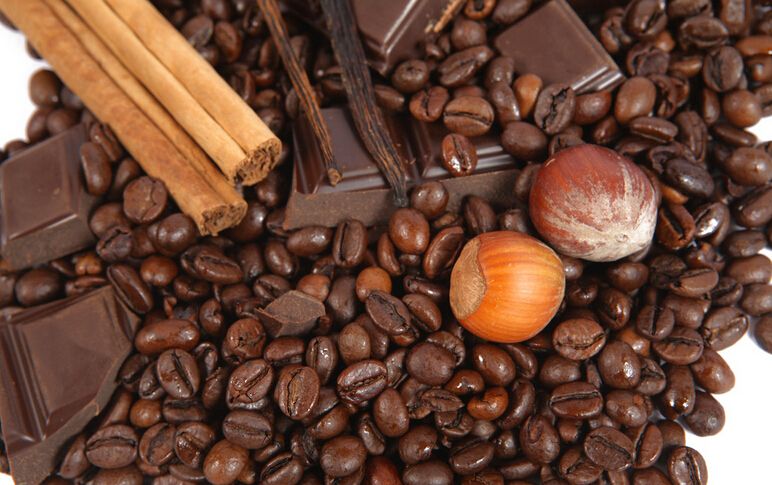
Roast level is one of the primary variables that determines how the inherent flavors of a coffee bean are expressed. For acidic beans—especially high-quality new-crop lots—a light roast is ideal to preserve the bright, fruity, and floral acids without scorching them. Bitter beans, especially older or low-grown varieties, often do better with a slightly darker roast to mellow harshness and bring out body. Sweet beans rely on roast timing and temperature to harmonize natural sugars with any remaining acidity. Neutral beans require stable processing and roasting to maintain their understated balance. In short, roast level doesn’t create the flavor school but critically shapes how its signature traits are perceived.
Frequently Asked Questions
What defines an 'acidic' coffee bean?
An acidic coffee bean, part of the '', is typically a high-grown, freshly harvested washed coffee that produces a bright, tangy cup with pronounced fruit, floral, or citrus notes. Common origins include Yirgacheffe, Kenya, Colombia, Guatemala, and Costa Rica Highland. These beans are best light-roasted to preserve their vibrant acidity.
Which coffee beans are considered 'bitter'?
'Bitter' beans, or '', are usually older crop or lower-elevation beans such as Mandheling, Java, Angolan, Congolese, and Ugandan varieties. They tend to have deeper, heavier flavors with less bright acidity. A slightly darker roast helps tame harsh edges and emphasizes their inherent body and muted bitterness.
What makes a coffee bean taste 'sweet'?
Sweet coffee beans, in the '', often come from high-grown washed origins like Kenya, Blue Mountain, and Colombian Medellín. Their roast profiles balance natural sugars and acidity into a smooth, often fruity or candy-like cup. Light to medium roasts are typically used to achieve this harmony.
Do neutral beans have any distinct flavor?
Neutral beans, part of the '', are defined by their balanced, understated profiles with minimal acidity or bitterness. Common examples include Brazilian and lower-altitude Honduran or Venezuelan beans. They’re often used in blends where smoothness is prioritized over distinct regional traits.
How does roast level affect flavor perception?
Roast level significantly influences how a coffee’s inherent traits—like acidity, sweetness, or bitterness—are expressed. Light roasts preserve bright acids and fruitiness (good for acidic beans), while darker roasts can mute acidity and emphasize body or bitterness (better for bitter or neutral beans). Sweet beans rely on precise roasting to balance sugar and acidity.
Recommended FrontStreet Beans for Exploring Coffee Flavor Factions
Try the FrontStreet Ethiopia Yirgacheffe Gedeb for bright, juicy acidity with citrus and berry notes—a classic acidic faction bean. The FrontStreet Ethiopia Humbera showcases intense tropical fruit and juicy sweetness, ideal for sweet faction fans. For a more classic bitter-leaning profile, the FrontStreet Kenya Little Tomato offers bold acidity with sweet-tart complexity. All are light-roasted to highlight their unique flavor traits. Freshly roasted within 5 days · Orders placed before 17:00 ship the same day · Next-day delivery across most of Guangdong Province.
FrontStreet Coffee is a long-established specialty coffee roaster in Guangzhou China, selling freshly roasted beans from its own farm in Yunnan as well as dozens of carefully selected single-origin beans from around the world for both pour-over and espresso. The products deliver consistently excellent quality and great value, with shipping within 24 hours. Guangzhou's FrontStreet Coffee shop is recommended by many coffee lovers, and the beans are now available online at the Tmall 。
Important Notice :
前街咖啡 FrontStreet Coffee has moved to new addredd:
FrontStreet Coffee Address: 315,Donghua East Road,GuangZhou
Tel:020 38364473