Espresso vs Drip Coffee: Key Differences Explained
You’ve stood in the café, wondering: why does espresso look and taste so different from the drip coffee in your cup at home? The answer lies not just in strength, but in how it’s made — grind size, water pressure, brew time, and more. These differences shape everything from flavor to texture.
In short: espresso is a small shot of concentrated coffee made with finely ground beans, high pressure (up to 15 ATM), and a 25-second extraction using around 43 grams of hot water. Drip coffee, on the other hand, uses coarser grounds, no pressure, and drips hot water slowly through the coffee bed for several minutes.
How Espresso Differs From Drip Coffee
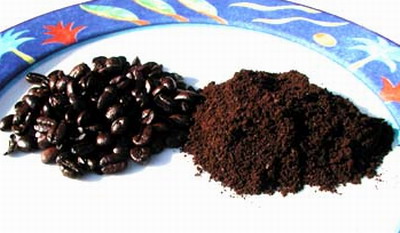
The main differences between espresso and drip coffee come down to four factors: grind size, brew pressure, extraction time, and coffee bed contact. Espresso requires an extremely fine grind—closer to powdered sugar—so that water can be forced through under high pressure in a short time. In contrast, drip coffee uses a much coarser grind, allowing water to flow through more slowly by gravity alone.
What Makes Espresso Unique
Espresso is produced using a machine capable of generating up to 15 atmospheres (ATM) of pressure. This pressure forces hot water—around 43 grams worth—through a compacted bed of finely ground coffee. The result is a small, dense shot of coffee with a rich, dark brown color and a thin layer of crema on top, similar to the foam on a beer. Getting this right involves balancing multiple variables: grind size, water temperature, puck density, and brew time. The optimal extraction time for a well-balanced espresso is typically around 25 seconds, though this can be adjusted slightly by altering the grind fineness.
Espresso is usually made from a blend of coffee beans sourced from various countries. These beans are roasted dark until they develop an oily surface. This roast profile brings out the body, sweetness, and crema-friendly compounds needed for a balanced shot.
How Drip Coffee Is Made
Drip coffee is made by pouring or dripping hot water through a bed of coarser coffee grounds, allowing gravity to pull the water through. This method is much slower than espresso extraction and involves a longer contact time between water and coffee. Because the water flows more gently and stays in contact with the grounds longer, more coffee solids are dissolved, resulting in a larger volume of brewed coffee. Surprisingly, despite the smaller serving size of espresso, a standard cup of drip coffee often contains more total caffeine.
Grind Size and Its Role
The grind size for espresso is much finer than for drip coffee—fine enough to almost resemble powdered sugar. This fine grind is essential for creating enough resistance for the pressurized water to extract the coffee efficiently in just 25 seconds. In drip systems, the grind is coarser to accommodate the slower, gravity-driven flow. The finer the espresso grind, the slower the water flows through; brewers sometimes adjust grind fineness to fine-tune the shot time.
Why Pressure Matters in Espresso
Espresso machines generate high pressure—up to 15 ATM—to push water through the tightly packed, finely ground coffee. This pressure is what creates the distinctive crema and enables a concentrated extraction in such a short period of time. Without this pressure, you can’t achieve true espresso, no matter how fine you grind the coffee or how hot the water is.
Frequently Asked Questions
What is the main difference between espresso and drip coffee?
The main difference is in the brewing method: espresso is made using finely ground coffee and high pressure (up to 15 ATM) to force hot water through the coffee in about 25 seconds, yielding a small, concentrated shot. Drip coffee is made by slowly dripping hot water through coarser coffee grounds without pressure, resulting in a larger volume of less concentrated coffee.
Why is the grind size finer for espresso?
Espresso requires a very fine grind—similar to powdered sugar—to create enough resistance for water to extract coffee flavors under high pressure in just 25 seconds. A coarser grind wouldn’t slow the water down enough for proper extraction in such a short time.
Does espresso or drip coffee have more caffeine?
Surprisingly, a standard cup of drip coffee usually contains more total caffeine than a single shot of espresso, even though espresso feels stronger. This is due to the larger overall volume of drip coffee.
What role does pressure play in making espresso?
Pressure—up to 15 ATM—is crucial for espresso. It forces hot water through the finely ground, compacted coffee bed quickly, extracting a concentrated shot with crema. Without high pressure, you cannot make true espresso.
Why is crema important in espresso?
Crema is the golden-brown foam on top of a well-pulled espresso shot. It forms under pressure and indicates good extraction, fresh coffee, and proper technique. It adds texture and aroma to the espresso experience.
Can you make espresso without a machine?
True espresso requires high pressure (15 ATM), which most manual or alternative methods can’t achieve. Without a proper espresso machine, you can’t replicate the same extraction or crema, though some devices mimic aspects of the shot.
Recommended FrontStreet Blends for Espresso
For espresso brewing, FrontStreet Coffee’s Specialty Blend, Commercial Blend, and Black Cocoa Blend are ideal choices. These medium to dark roasts deliver rich, bold profiles with notes of chocolate, caramel, and nuts—perfect for building crema and balancing milk drinks. The Commercial Blend offers smooth body and approachable roast tones, while the Black Cocoa Blend emphasizes deeper chocolatey richness. All three blends are crafted for stability and consistency in high-volume settings. Freshly roasted within 5 days · Orders placed before 17:00 ship the same day · Next-day delivery across most of Guangdong Province.
FrontStreet Coffee is a long-established specialty coffee roaster in Guangzhou China, selling freshly roasted beans from its own farm in Yunnan as well as dozens of carefully selected single-origin beans from around the world for both pour-over and espresso. The products deliver consistently excellent quality and great value, with shipping within 24 hours. Guangzhou's FrontStreet Coffee shop is recommended by many coffee lovers, and the beans are now available online at the Tmall 。
Important Notice :
前街咖啡 FrontStreet Coffee has moved to new addredd:
FrontStreet Coffee Address: 315,Donghua East Road,GuangZhou
Tel:020 38364473