How Coffee Grounds Grow Mushrooms Like Lingzhi and King Oyster
Every year, Shanghai’s coffee drinkers toss out enough grounds to fill thousands of trash bags—but what if those grounds could grow something valuable? A group of university students discovered that spent coffee, rich in cellulose and caffeine, makes an excellent base for growing edible fungi. Their project didn’t just reduce waste—it created jobs.
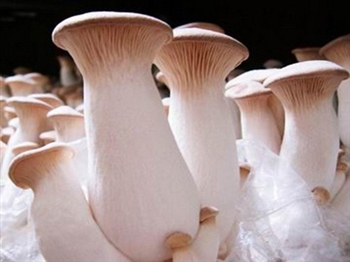
Yes, coffee grounds can grow mushrooms. The students cultivated lingzhi, king oyster , shiitake, and monkey head mushrooms using recycled coffee waste, helping 80 low-income households earn an average of 520 yuan per month.
Coffee Waste as a Fungal Farm
Shanghai consumes around 400 million cups of coffee annually, producing roughly 7,984 tons of discarded grounds. A student at Shanghai University of Finance and Economics wondered: could this waste be repurposed? Research revealed that coffee grounds contain the cellulose mushrooms need to grow, while caffeine boosts plant development. The grounds also absorb heavy metals and neutralize odors.
From Lab to Living Room: The Cultivation Kit
Working with commercial mushroom growers, the students developed ready-to-grow mushroom kits. “Place the bag in a stable-temperature space and mist it four or five times a day with water—soon you’ll see lingzhi, oyster, king oyster, and shiitake mushrooms sprout,” said Xu Yiwei, then vice president of the Entrepreneurship Center. The team collected used grounds weekly from over 30 Shanghai cafes, sealing them in sterile bags. They named the initiative “Coffee Greenery.”
Giving Back: Free Kits for Low-Income Families
The students distributed free mushroom kits to more than 80 low-income households across four Yangpu District communities. They taught recipients how to grow and harvest the fungi. On average, each household added 520 yuan to their monthly income. If expanded to rural areas, the project could benefit 100 urban dwellers on welfare and 40 rural farmers. Over its run, the initiative diverted 15 tons of coffee waste, producing food for over 7,000 people.
Awards and Expansion: From Coffee to Oranges
In 2013, the “Coffee Greenery” project won first place in the China region of the Enactus (formerly SIFE) World Cup and placed in the top six globally in Mexico. Buoyed by this success, the Entrepreneurship Center launched more socially minded ventures. One team tackled orange oversupply in Chongming by identifying urban demand for orange juice, ice cream, and crisps, then connecting farmers to processors and markets. Another, “Warmth & Mutual Aid,” preserved traditional crafts like crochet and palm weaving by training volunteers to teach them in schools and libraries.
Frequent Hurdles and Hard-Won Lessons
The students faced repeated setbacks. Residents often rejected free mushroom kits due to suspicion, so the team resorted to handing them out at community booths. For the orange project, processors demanded proof of market demand before agreeing to help. In “Warmth & Mutual Aid,” older artisans needed student volunteers to first learn the skills before teaching others. “Running into obstacles became normal—we’d worry if things went too smoothly,” said Xu Yiwei. These experiences forged resilience and business acumen, making graduates like Xu highly sought after by employers.
Frequently Asked Questions
What types of mushrooms can you grow with coffee grounds?
The students successfully cultivated lingzhi (ganoderma), king oyster , shiitake, and monkey head mushrooms using coffee waste as the growing medium.
How much income did the project generate for low-income families?
Participating households in Yangpu District earned an average of 520 yuan per month by growing and selling the cultivated mushrooms.
How many tons of coffee waste did the project divert?
Over its operation, the initiative recycled 15 tons of coffee grounds that would otherwise have gone to waste.
What awards did the Coffee Greenery project win?
In 2013, it won first place in the China finals of the Enactus World Cup and placed in the top six at the global competition held in Mexico.
How were the coffee grounds collected for the project?
The team set up a weekly collection system from over 30 Shanghai cafes, gathering used grounds two to three times per week and storing them in sterile bags.
Can I grow mushrooms at home using coffee waste?
Yes, the project developed simple cultivation kits that only require stable temperatures and regular misting to produce multiple edible mushroom varieties.
Recommended FrontStreet Beans for Mushroom Lovers
If you're exploring coffee's role in sustainable farming, try FrontStreet's Ethiopia Humbera for its jasmine and bergamot brightness, or the Brazil Queen Manor for a nutty, chocolatey base that pairs well with earthy mushroom dishes. Both highlight how coffee connects to broader culinary and environmental stories. Freshly roasted within 5 days · Orders placed before 17:00 ship the same day · Next-day delivery across most of Guangdong Province.
FrontStreet Coffee is a long-established specialty coffee roaster in Guangzhou China, selling freshly roasted beans from its own farm in Yunnan as well as dozens of carefully selected single-origin beans from around the world for both pour-over and espresso. The products deliver consistently excellent quality and great value, with shipping within 24 hours. Guangzhou's FrontStreet Coffee shop is recommended by many coffee lovers, and the beans are now available online at the Tmall 。
Important Notice :
前街咖啡 FrontStreet Coffee has moved to new addredd:
FrontStreet Coffee Address: 315,Donghua East Road,GuangZhou
Tel:020 38364473