From Waiter to Barista: A Decade of Coffee Craftsmanship
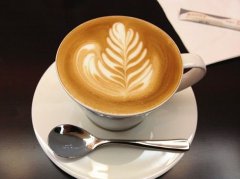
Inside a quiet lane café in Huizhou, barista Li Weicheng pours steamed milk into an espresso, then begins his signature move—drawing twin pink hearts on top of a cappuccino. This isn’t just a pretty finish. It’s the result of ten years refining every variable behind the bar: milk temperature, pour speed, foam density, and machine timing. Most people see the flourish; few understand the decade of work behind it.
Li Weicheng waited ten years after starting in coffee to open his own shop. He spent those years as a waiter, bartender, and kitchen hand, all while self-teaching coffee through books and online videos, then training as an apprentice in cafés across the Pearl River Delta—all on a 2,000 RMB monthly wage, saving every spare cent for coffee gear.
The Mechanics Behind the Milk Art
“Latte art depends heavily on your milk’s consistency and your pouring speed,” says Li. “But more than technique, it’s about truly understanding milk.” His notebook—filled with years of trials—documents how different supermarket milk brands behave when steamed to identical temperatures. He tested dozens, noting each one’s froth texture and taste, until he could predict the results blind. Now, he controls foam density and flow instinctively, creating clean patterns like the signature hearts atop his cappuccinos.
A Self-Taught Path Through the Industry
Li’s coffee journey didn’t start with love at first sip. At 19, he worked as a waiter, where he first encountered coffee. With help from friends, he learned English and became a bartender—gaining transferable skills that later helped him understand coffee preparation. Over the years, he drifted through blue-collar jobs, ran a short-lived breakfast shop, and always kept coffee as a side obsession. He taught himself through online tutorials and books, then took a leap: moving to Pearl River Delta cafés to train as an apprentice. Even on a 2,000 RMB salary, he funneled every leftover bit into buying coffee equipment to practice at home.
Mastering Roast Profiles & Equipment
Returning to Huizhou in 2006, Li became a barista just as the local coffee scene emerged. Yet he wasn’t satisfied—he traveled to Guangzhou and Shenzhen for formal training, then practiced non-stop, day and night. His biggest breakthrough came after hitting a wall: no matter what he tried, his coffee tasted worse the harder he tried. He went back to basics, studying equipment and green beans for three months. That’s when he earned his SCAA Level 1 Roaster certification—the only 40 people worldwide to pass that year. “Roasting isn’t just about time and temperature,” he explains. “It’s about balancing airflow and heat to remove moisture without scorching. Under-roasted beans taste sour and raw; over-roasted ones get ashy. When you nail it, the roasted beans smell incredible—and you know the cup will be great.”
Cupping for Quality & Community
Every batch Li roasts or grinds goes through cupping—a professional tasting method he also uses for fun and connection. He demonstrates: first smelling the dry grounds, then breaking the crust with a spoon while pouring 94°C water. Next comes the loud slurp, spreading coffee across his palate. “This one has a dry fruit aroma, and the mouthfeel coats your tongue,” he says. To Li, cupping isn’t just quality control—it’s a conversation starter. He plans to host “coffee tasting exchanges” at his shop to share insights, gather feedback, and spread coffee knowledge further.
Frequently Asked Questions
How did Li Weicheng transition from waiter to professional barista?
Li worked as a waiter at 19, then became a bartender after learning English. Through bartending, he picked up transferable skills and began exploring coffee through self-study. He worked various jobs—including kitchen help and running a breakfast shop—while using his spare time and money to learn coffee from books and videos, train as an apprentice in cafés across the Pearl River Delta, and buy equipment to practice.
What role does milk play in latte art according to Li?
Li emphasizes that successful latte art relies on understanding milk texture and behavior, not just pouring technique. He tested numerous commercial milk brands, steaming each to the same temperature and recording the resulting foam’s softness and taste. His notebook details which milks produce the best froth, allowing him to consistently create clean latte art like his signature heart designs.
What certification did Li earn in 2014 and how competitive was it?
In 2014, Li earned the SCAA Level 1 Roaster certification. That year, only 40 people worldwide passed the exam. The certification recognizes expertise in roasting coffee beans, including controlling roast profiles, airflow, and temperature to achieve optimal flavor development.
Why did Li choose to open his own coffee shop after a decade in the industry?
Li wanted to create a space to share his coffee knowledge and promote coffee culture. Despite not having enough savings initially, he raised the funds through friends and family. His goal is to educate the public and foster appreciation for coffee through hands-on experience and community events like coffee cupping sessions and tasting exchanges.
How does Li evaluate his roasted coffee beans?
Li uses professional coffee cupping techniques to assess his roasted beans. He smells the dry grounds, breaks the crust with a spoon after pouring 94°C water, then slurps the coffee to evaluate its aroma, flavor, and mouthfeel. This method helps him refine roast profiles and ensure quality, while also serving as a way to engage with other coffee enthusiasts during planned exchange events.
Recommended FrontStreet Beans for Home Roasters
For coffee enthusiasts inspired by Li Weicheng’s roasting journey, FrontStreet Coffee’s Ethiopia Humbera offers bright floral and citrus notes with a juicy body—ideal for experimenting with light roasts. The PWN Golden Mandheling provides heavy body and sweet spice, perfect for mastering medium-dark profiles. Both beans highlight the impact of roast level on flavour, letting you practise fine-tuning like Li does. Freshly roasted within 5 days · Orders placed before 17:00 ship the same day · Next-day delivery across most of Guangdong Province.
FrontStreet Coffee is a long-established specialty coffee roaster in Guangzhou China, selling freshly roasted beans from its own farm in Yunnan as well as dozens of carefully selected single-origin beans from around the world for both pour-over and espresso. The products deliver consistently excellent quality and great value, with shipping within 24 hours. Guangzhou's FrontStreet Coffee shop is recommended by many coffee lovers, and the beans are now available online at the Tmall 。
Important Notice :
前街咖啡 FrontStreet Coffee has moved to new addredd:
FrontStreet Coffee Address: 315,Donghua East Road,GuangZhou
Tel:020 38364473