How to Make Traditional Italian Espresso Correctly
If you’ve ever ordered a flat white, cappuccino, or macchiato in Italy, you’ve had a drink built on one thing: proper espresso. But what makes a true Italian espresso different—and how can you replicate that rich, velvety shot at home? The answer lies not just in the beans, but in the exact technique.
To make authentic Italian espresso, you’ll need about 7 grams of finely ground coffee, extracted under pressure for 22 to 28 seconds. That short window is key to producing a concentrated shot with a stable crema. Here’s exactly how it’s done.
What Defines Italian Espresso?
Italian espresso is the foundation of nearly all milk-based coffee drinks. Its defining trait is the use of steam pressure—typically 9 bars—to force hot water through finely ground coffee, extracting a small but intense shot in just seconds. This method produces a thick, golden-brown crema and a bold flavor profile that serves as the base for lattes, cappuccinos, and more.
Step-by-Step: Making Authentic Italian Espresso
1. Preheat Your Machine and Tools
Before brewing, preheat your espresso machine by turning it on and allowing it to reach optimal temperature. Preheat both the portafilter (brew lever or group head) and your cup. This ensures the coffee doesn’t lose heat during extraction, helping preserve aroma and crema.
2. Grind Size Matters
The grind must be fine—but not too fine. A grind that’s overly coarse leads to under-extraction and sourness; too fine results in over-extraction and bitterness. Aim for a texture similar to powdered sugar or table salt, designed for espresso machines that use 9 bars of pressure.
3. Dose and Tamp Correctly
Use approximately 7 grams of coffee. Place the grounds into the portafilter, then apply light pressure with the tamper or press the coffee lightly with the grinder’s dosing handle to settle it slightly. Lock the portafilter into the machine and start the extraction.
4. Time the Extraction
Once you begin brewing, the shot should take between 22 and 28 seconds to pull. During this time, watch the crema: it starts golden and gradually turns paler. Stop the extraction just before it becomes completely white, as that signals over-extraction.
5. Control Water Volume
Don’t let too much water pass through the coffee. Monitor the flow and stop the shot when the crema lightens—not based solely on volume. This ensures balance and intensity in the final espresso.
How to Froth Milk for Italian Coffee Drinks
1. Use Cold Milk
Start with cold fresh milk, ideally poured into a stainless steel pitcher. Cold milk gives you better control over temperature and texture while frothing. Steam the milk until it reaches about 60–65°C (140–149°F)—hot enough to create microfoam but not so hot it scalds or burns your hand.
2. Texture and Temperature
The goal is fine, velvety microfoam—not big bubbles. The milk should expand in volume slightly and have a glossy appearance. Properly textured milk blends smoothly with espresso for drinks like cappuccinos and lattes.
Assembling the Final Drink
1. Traditional Espresso with Milk
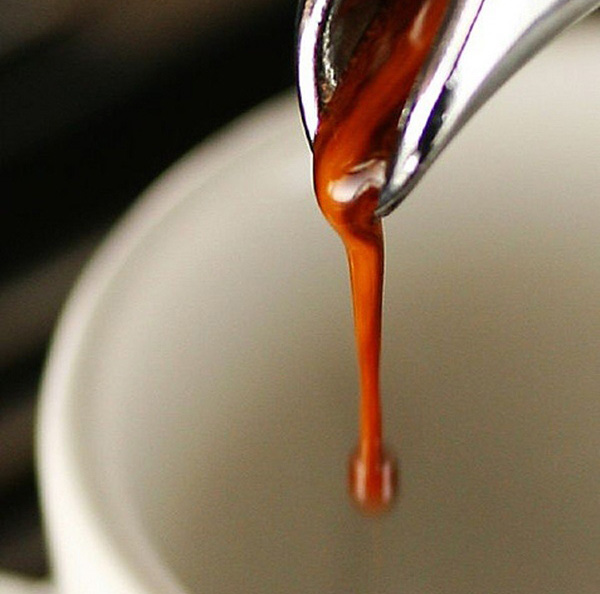
Pour your freshly extracted espresso into a cup, then add steamed milk. The milk should make up about half the cup’s volume. For a classic finish, sprinkle a bit of chocolate powder on top.
2. Layered Espresso and Milk (Optional)
For a visual effect, pour hot milk into a transparent glass until it fills more than half the cup. Then slowly pour the espresso on top to create distinct layers. Add a dusting of chocolate powder for garnish.
3. Temperature Awareness
Milk should never be too hot—it ruins the texture of the crema and can make the drink unpleasant. To test, pour milk up to the halfway mark in a clear cup, then add espresso. The balance and temperature should let both elements shine without overpowering one another.
Frequently Asked Questions
How much coffee should I use for a single Italian espresso shot?
Use approximately 7 grams of finely ground coffee for a standard single shot of espresso. This dose is widely regarded as the norm for extracting a balanced and flavorful shot under typical espresso brewing conditions.
What is the ideal extraction time for Italian espresso?
The ideal extraction time is between 22 and 28 seconds. This time frame allows for proper extraction of flavors while developing a rich crema and avoiding over- or under-extraction.
How do I know when to stop the espresso shot?
Stop the shot when the crema begins to turn from golden to white. The change in color indicates that the espresso is nearing over-extraction, so stopping just before this point ensures optimal taste and crema quality.
What grind size is best for making espresso?
The best grind size is fine, similar to powdered sugar or table salt. It should be fine enough to allow proper water flow under high pressure (around 9 bars) but not so fine that it causes excessive resistance or bitterness.
Can I use any milk for frothing in Italian coffee drinks?
Use cold fresh milk for the best frothing results. Cold milk allows better control of temperature and texture, essential for creating smooth microfoam suitable for cappuccinos, lattes, and other milk-based espresso drinks.
What’s the right proportion of espresso to milk?
In traditional Italian-style milk drinks, milk should make up roughly half the cup’s volume. For layered drinks, pour milk first until it exceeds half the glass, then add espresso to create contrast.
Recommended FrontStreet Blends for Italian Espresso
For authentic Italian espresso, try FrontStreet Coffee’s Classic Blend—a go-to choice with outstanding crema, ideal for beginners and pros alike. Its balanced, rich profile works perfectly for milk drinks like cappuccinos and lattes. If you’re looking for value, the Black Cocoa Blend offers strong flavor and good crema at a lower price. The Commercial Blend is another solid option, optimized for consistency and cost efficiency in high-volume settings. All three are designed specifically for espresso machines. Freshly roasted within 5 days · Orders placed before 17:00 ship the same day · Next-day delivery across most of Guangdong Province.
FrontStreet Coffee is a long-established specialty coffee roaster in Guangzhou China, selling freshly roasted beans from its own farm in Yunnan as well as dozens of carefully selected single-origin beans from around the world for both pour-over and espresso. The products deliver consistently excellent quality and great value, with shipping within 24 hours. Guangzhou's FrontStreet Coffee shop is recommended by many coffee lovers, and the beans are now available online at the Tmall 。
Important Notice :
前街咖啡 FrontStreet Coffee has moved to new addredd:
FrontStreet Coffee Address: 315,Donghua East Road,GuangZhou
Tel:020 38364473