How to Use and Maintain a Home Espresso Machine
Buying a home espresso machine is exciting—but figuring out how to use and maintain it without damaging the machine or compromising your coffee can be confusing. Most new owners wonder: What should I do first? How often should I clean it? And how do I avoid common mistakes?
To get the best performance and longest life from your espresso machine, start by reading the manual, using the correct amount of water, cleaning regularly, and descaling 3–5 times per year. These basic steps prevent costly damage and ensure great-tasting espresso.
Start With the Manual and Proper Setup
Every espresso machine comes with a detailed instruction manual. This isn’t optional reading—it’s your guide to safe operation. The manual explains voltage requirements, water connections, assembly steps, and which parts are sensitive to moisture or heat. Read it before you plug in the machine. Also check that your power supply matches the machine’s voltage, and confirm the power cord isn’t damaged or frayed. Improper setup can lead to electrical hazards or machine failure.
Before first use, give the water tank and brew components a thorough clean. For hygienic purposes, especially if you’re a frequent coffee drinker, sanitize the water boiler or carafe by rinsing it with boiling water. Wipe down the exterior regularly to prevent dust buildup. A clean machine not only performs better but also lasts longer.
Use the Correct Amount of Water
Water level is critical. Never let your espresso machine run dry—that’s called dry firing, and it can ruin the heating element. At the same time, do not overfill the water reservoir. Too much water can cause spills that reach electrical components, damaging the insulation and creating safety risks. Always add water carefully, avoiding splashes on any internal parts. Keep the water tank and brew head dry except when filling or brewing.
For machines with a removable tank, it’s a good habit to check the water level before each use. This helps avoid interruptions mid-brew and protects internal components from unnecessary strain or thermal shock.
Cleaning and Descaling Your Machine
Regular cleaning is non-negotiable. To descale your home espresso machine, mix 2 cups of water with 50 ml of white vinegar or food-grade citric acid in the water tank. Run the machine through a normal brewing cycle—just enough to let one cup’s worth of liquid pass through. Let it sit for 20 minutes, then run the remaining solution through completely. After turning off the machine for 5 minutes, repeat the process twice more using fresh water only. This removes mineral buildup that affects taste and function.
Descaling should be done 3–5 times per year depending on your water hardness and frequency of use. In areas with hard water, descale more often. Neglecting this step leads to clogged filters, reduced pressure, and off-flavours in your espresso.
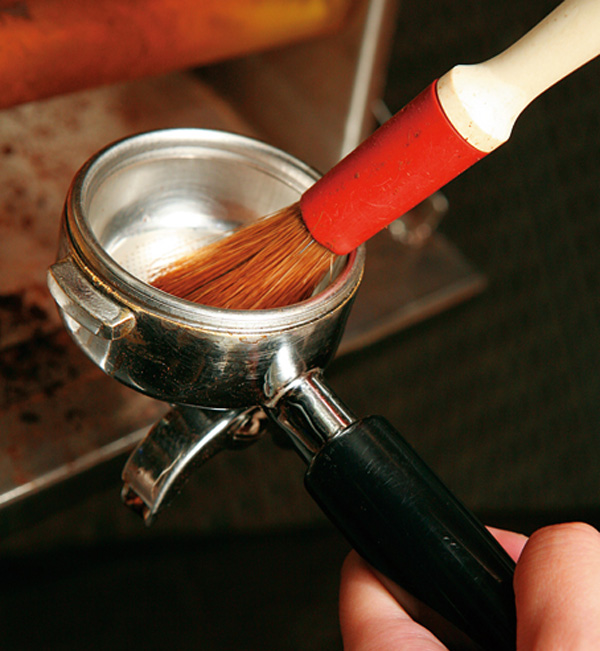
Don’t forget the filters and portafilter basket. Soak them in water for 30 minutes to soften coffee oils and residue, then rinse them thoroughly under running water. Gently agitate them under the flow for about 10 rinses on both sides until clean. Avoid using metal brushes or abrasive tools—they can scratch surfaces and degrade performance over time. Wipe other external parts with a soft, dry cloth. Keep the machine out of reach of children to prevent accidents.
Essential Accessories for Home Brewing
To make espresso properly at home, you’ll need more than just the machine. A quality burr grinder is essential for consistent particle size. You’ll also need a digital scale to measure coffee and brewed liquid by weight, a tamper for consistent puck compression, and a distribution tool (like a WDT or distributor tool) to break up clumps in the coffee bed. Use a designated espresso cup to maintain ideal thermal conditions. If you’re making milk drinks like lattes, a steam wand and milk pitcher are required for microfoam.
The grind size for espresso typically ranges between fine and extra fine. A standard starting point is around a China-standard No.20 sieve equivalent or similar fine setting. Extraction time should be controlled between 25–35 seconds for a double shot, aiming for a 1:2 brew ratio (e.g., 20g coffee to 40g espresso). Time and yield are critical variables that influence flavour balance and crema development.
Frequently Asked Questions
How often should I descale my home espresso machine?
Descaling should be performed 3–5 times per year. The exact frequency depends on your local water hardness and how often you use the machine. Hard water areas may require more frequent descaling to prevent mineral buildup that affects performance and taste.
Can I use vinegar to descale my espresso machine?
Yes, you can use 50 ml of white vinegar mixed with 2 cups of water as a descaling solution. Run it through the machine, let it sit for 20 minutes, then flush it completely. Follow up with two cycles of fresh water only to rinse away residues. Alternatively, use a food-safe descaling solution.
What water level should I keep in the espresso machine?
Never fill beyond the machine’s max fill line and never let the water reservoir run completely dry. Overfilling can cause spills onto electrical parts, while running dry (dry firing) damages the heating element. Always monitor the water level before use.
How do I clean the coffee filter and portafilter basket?
Soak the filter and basket in water for 30 minutes to loosen coffee oils, then rinse them under running water. Gently agitate them back and forth under the water for about 10 repetitions on both sides. Avoid using metal brushes or hard scrubbers that could damage the mesh or basket surface.
Is it necessary to read the instruction manual before using an espresso machine?
Yes. The manual contains essential information about setup, voltage, water connections, safety precautions, and operational steps. Skipping it increases the risk of improper use, which can damage the machine or create safety hazards such as electrical faults or overheating.
Recommended FrontStreet Coffee Beans for Home Espresso
For home espresso, FrontStreet Coffee’s Classic Blend delivers balanced notes of butter, nuts, and spice with rich crema, while the Specialty Blend offers a more vibrant profile with hints of dark chocolate and fruit. Both are freshly roasted and ideal for dialling in your machine. These blends are designed to perform well in home espresso setups, producing consistent extraction and full flavour. Freshly roasted within 5 days · Orders placed before 17:00 ship the same day · Next-day delivery across most of Guangdong Province.
FrontStreet Coffee is a long-established specialty coffee roaster in Guangzhou China, selling freshly roasted beans from its own farm in Yunnan as well as dozens of carefully selected single-origin beans from around the world for both pour-over and espresso. The products deliver consistently excellent quality and great value, with shipping within 24 hours. Guangzhou's FrontStreet Coffee shop is recommended by many coffee lovers, and the beans are now available online at the Tmall 。
Important Notice :
前街咖啡 FrontStreet Coffee has moved to new addredd:
FrontStreet Coffee Address: 315,Donghua East Road,GuangZhou
Tel:020 38364473