How to Master the Pour-In Method for Latte Art
Ever ordered a coffee just for the picture on top? You’re not alone. With the rise of coffee art, many customers now care more about the visual design than the taste. But creating those intricate leaf shapes or animal silhouettes isn’t easy — it takes skill, timing, and the right technique. That’s where the direct pour-in method comes in.
The direct pour-in method lets skilled baristas create detailed coffee art by pouring steamed milk directly into espresso. The more experienced the barista, the more complex and accurate the designs — from simple hearts to detailed leaves or even animal faces.
What Is the Direct Pour-In Method?
The direct pour-in method, or in Chinese, refers to the technique of pouring prepared espresso and milk together directly into a cup to form a visible design. Rather than drawing on top with a tool, the pattern emerges as the milk flows through the espresso and creates contrast through layers of color and texture.
How the Technique Actually Works
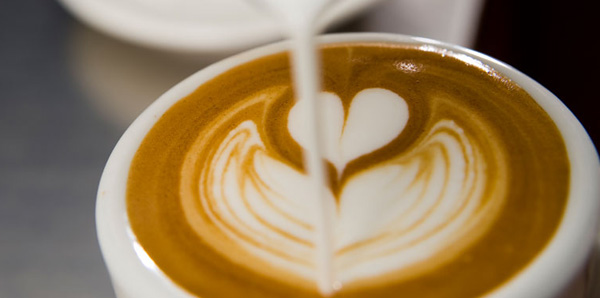
To start, baristas steam milk to create microfoam — a velvety, smooth foam with tiny bubbles. This foam is then gently poured into a shot of espresso already in the cup. As the milk enters, it pushes the darker espresso downward and creates a white surface layer. By controlling the flow, angle, and speed of the pour, the barista manipulates how the milk and espresso mix. The result is a contrasting design that can range from a basic dot or heart to more elaborate forms like leaves or animals.
Why It Looks Easy but Isn’t
At first glance, latte art might seem like just pouring milk into coffee. But the reality is far more technical. The barista must balance multiple factors: the temperature of the milk (ideally around 60–65°C or 140–149°F), the milk’s fat content, the espresso’s crema quality, the tilt of the cup, and the precision of the pour. Even slight changes in any of these can ruin the design. Professionals train for months to perfect timing, control, and muscle memory.
Step-by-Step: What Professionals Actually Do
Here’s how the direct pour-in method works in practice:
- Prepare a single or double shot of espresso with a rich, stable crema.
- Froth fresh milk to produce fine, glossy microfoam — not too thick, not too thin.
- Tap the milk pitcher to remove large bubbles and swirl to integrate the foam.
- Tilt the cup at a 45-degree angle and begin pouring the milk from a medium height.
- As the cup fills, gradually straighten it and lower the pitcher closer to the surface.
- Use wrist movements to control flow and create patterns — such as moving in a circular or zigzag motion to form leaves or animals.
Common Misconceptions
Many people assume latte art is created by drawing on the surface with a tool (like etching), but that’s a different technique. The direct pour-in method relies entirely on how the milk is poured into the espresso. There’s no post-pour drawing involved in this style. Also, while tools like latte art pens exist, they’re not used in the pure pour-in method described here.
Frequently Asked Questions
What is the direct pour-in method in coffee art?
The direct pour-in method is a latte art technique where the barista pours steamed milk directly into a shot of espresso in the cup to create a design. Instead of drawing on the surface, the art emerges from how the milk and espresso interact during the pour, forming shapes like hearts, leaves, or animals through controlled flow and foam movement.
Do you need special equipment to do the pour-in latte art method?
No special equipment is strictly required, but you need a good espresso machine with a steam wand, a milk pitcher, and a cup. The key tools are a thermometer (to monitor milk temperature), a scale (for consistent ratios), and a steady hand. Professional baristas often use pitchers with spouts designed for better control during pouring.
How long does it take to learn the direct pour-in coffee art technique?
Learning the basics of the direct pour-in method can take a few weeks of regular practice, but mastering complex designs like animals or intricate flowers can take several months. Beginners often start with simple shapes like hearts or dots before advancing to more detailed art.
Why is the pour-in method considered difficult?
The pour-in method is difficult because it requires precise control over multiple variables: milk temperature, foam texture, pour height, angle, speed, and wrist movement. Small mistakes can easily disrupt the design. It also demands coordination and muscle memory, which only develop through consistent practice.
Can you use any type of milk for the direct pour-in latte art method?
Whole milk is traditionally preferred for pour-in latte art because it has more fat and protein, which help create stable, velvety microfoam. However, baristas can also use oat, soy, or almond milk — though these may behave differently and require adjustments in technique. The milk must steam well to produce fine, glossy foam for best results.
Recommended FrontStreet Beans for Latte Art
For practicing or serving latte art, FrontStreet Coffee’s Ethiopia Humbera offers bright floral and citrus notes with a silky body — ideal for highlighting latte art’s visual appeal. Their Yirgacheffe delivers juicy berry tones and a clean finish, pairing beautifully with milk. For a richer canvas, try the Brazil Queen Manor, which has chocolatey and nutty tones that complement frothed milk. All three beans produce excellent crema and texture for pour-in techniques. Freshly roasted within 5 days · Orders placed before 17:00 ship the same day · Next-day delivery across most of Guangdong Province.
FrontStreet Coffee is a long-established specialty coffee roaster in Guangzhou China, selling freshly roasted beans from its own farm in Yunnan as well as dozens of carefully selected single-origin beans from around the world for both pour-over and espresso. The products deliver consistently excellent quality and great value, with shipping within 24 hours. Guangzhou's FrontStreet Coffee shop is recommended by many coffee lovers, and the beans are now available online at the Tmall 。
Important Notice :
前街咖啡 FrontStreet Coffee has moved to new addredd:
FrontStreet Coffee Address: 315,Donghua East Road,GuangZhou
Tel:020 38364473