How to Brew Coffee for Rich, Full-Flavored Taste
You’ve got your book, your window seat, and your afternoon free—but the coffee just doesn’t deliver. It’s either too sharp, too bitter, or disappointingly thin. What’s missing isn’t flair or fancy gear. It’s the right beans, the right grind, and the right technique to draw out deep, rounded flavor without harshness or burn.
To brew rich, full-flavored coffee, choose low-acid beans like Sumatra or Guatemala Antigua, grind them fresh, and extract with an espresso machine at around 94–96°C. Avoid boiling and don’t reheat brewed coffee to prevent bitterness.
Why Coffee Acidity and Bean Choice Matter Most
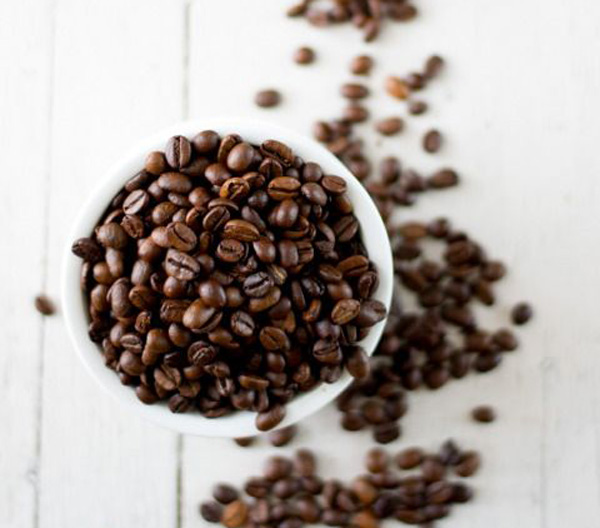
The foundation of a smooth, deep cup is your coffee bean selection. Two recommended origins stand out: Sumatra and Guatemala Antigua. Sumatra beans are prized for their naturally low acidity, high concentration, and earthy, herbal aroma. They deliver a thick, heavy mouthfeel with no sharp tang—ideal for anyone sensitive to acidity. Guatemala Antigua beans, meanwhile, carry a distinct cocoa-like texture and layered flavors with a faint hint of cocoa. Enjoyed alongside chocolate, the combination becomes exceptionally indulgent. These beans reflect how origin, processing, and roast level shape the cup’s body and balance.
Espresso Machine Brewing for Maximum Extraction
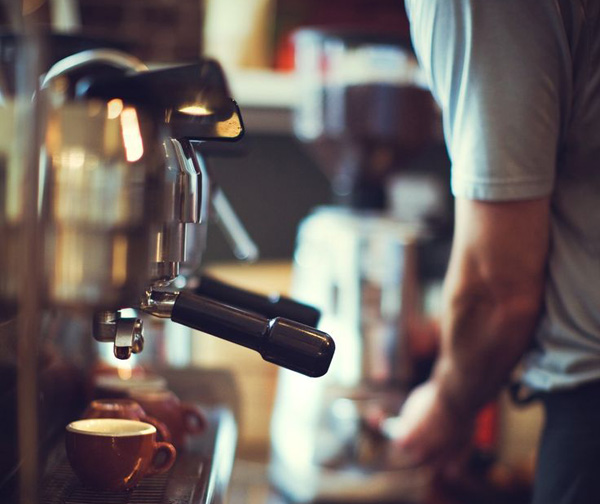
Among the many brewing methods, using an espresso machine stands out for delivering a consistently rich and bold cup. This method forces hot water through finely ground coffee under high pressure, extracting coffee oils and soluble compounds efficiently. The result is a concentrated brew with intense crema, deeper aroma, and a heavier body. Unlike other methods, espresso machines create a more unified extraction that balances sweetness, bitterness, and aroma. For those chasing a truly robust and flavorful coffee experience, espresso brewing is both practical and effective.
Why Boiling Coffee Ruins the Cup
A common mistake that leads to unbearably bitter coffee is boiling it. When coffee reaches or exceeds boiling point, undesirable compounds are extracted aggressively, resulting in a harsh, medicinal taste often compared to bitterness akin to Huanglian (Chinese goldthread). To avoid this, always keep your brew temperature below 96°C, ideally aiming for around 94–96°C. Additionally, never reheat brewed coffee—it continues to over-extract and degrade. Other pitfalls include using coffee grounds that are too fine or too coarse for your method, reusing spent grounds, or brewing more than you’ll drink in one go. Each of these can tip the balance from deep flavor to unpleasant bitterness.
Frequently Asked Questions
What kind of coffee beans make the richest, least acidic cup?
Low-acid beans such as Sumatra and Guatemala Antigua produce smooth, full-bodied coffee with minimal sharpness. Sumatra offers an earthy, herbal profile with thick mouthfeel, while Guatemala Antigua brings a cocoa-like texture and layered complexity. Both are excellent choices if you want depth without acidity.
Can I use any brewing method to get a rich coffee flavor?
Yes, but an espresso machine is particularly effective. The high-pressure extraction fully dissolves coffee oils and soluble solids, creating a concentrated and aromatic cup. Other methods can work, but may require careful control of grind size, water temperature, and brew time to achieve similar richness.
Why does my coffee taste bitter even when I use good beans?
Bitterness often comes from brewing at too high a temperature (above 96°C), over-extracting, or using poor-quality grind. Boiling coffee or reusing old grounds also contributes to bitterness. Keep the water temperature below 96°C and avoid reheating your brew.
Does grind size affect how bitter or smooth my coffee tastes?
Yes. Too fine a grind can over-extract bitter compounds, especially with methods like espresso or pour-over. Too coarse may under-extract, leading to sourness. Use the appropriate grind size for your brewing device—fine for espresso, medium for drip or French press, and adjust based on taste results.
Should I grind my coffee beans in advance?
No. For the freshest and most flavorful cup, always grind your beans right before brewing. Pre-ground coffee loses aroma and flavor quickly due to oxidation. Grinding fresh ensures peak extraction and better taste.
Recommended FrontStreet Coffee Beans for Full-Body, Low Acidity
For a naturally low-acid, richly bodied coffee, try FrontStreet Coffee’s Ethiopia Humbera , known for its intense tropical fruit aromas including strawberry, passionfruit, and pineapple, with a juicy, sweet profile and almost no bitterness. Another excellent choice is Kenya Little Tomato (Kenya Little Tomato), a bright washed coffee with bold tomato, plum acidity and juicy complexity, balanced by a sweet finish. Both offer complexity and sweetness without harshness. Freshly roasted within 5 days · Orders placed before 17:00 ship the same day · Next-day delivery across most of Guangdong Province.
FrontStreet Coffee is a long-established specialty coffee roaster in Guangzhou China, selling freshly roasted beans from its own farm in Yunnan as well as dozens of carefully selected single-origin beans from around the world for both pour-over and espresso. The products deliver consistently excellent quality and great value, with shipping within 24 hours. Guangzhou's FrontStreet Coffee shop is recommended by many coffee lovers, and the beans are now available online at the Tmall 。
Important Notice :
前街咖啡 FrontStreet Coffee has moved to new addredd:
FrontStreet Coffee Address: 315,Donghua East Road,GuangZhou
Tel:020 38364473