How Coffee Shops Took Over China’s Beverage Scene
In the late 2000s, something shifted in China’s urban beverage culture. While bars were closing, a new kind of venue was booming—not just selling drinks, but reshaping how people socialized over caffeine. The numbers tell the story: between 2008 and 2013, coffee shops and non-alcoholic beverage outlets across mainland China grew at an average annual rate of 32%, a surge that left traditional drinking spots behind.
Here’s the takeaway: coffee shops in China expanded 32% yearly from 2008 to 2013, while bars declined—a clear sign of changing consumer habits toward more frequent, healthier, and socially dynamic coffee experiences.
The Coffee Shop Boom Across Major Cities
Nationwide, the coffee shop boom wasn’t limited to one region. Led by first-tier cities like Beijing, Shanghai, Guangzhou, and Shenzhen, the trend rippled into second-tier provincial capitals. The annual growth rate? A staggering 32%. In the capital, Beijing, which became known as a hub for coffee culture, the number of coffee shops grew by 25% each year, with many new openings concentrated in the bustling CBD area—a clear indicator of where urban professionals wanted to gather.
Early Foundations: Beijing’s Coffee Shop Density
A decade before this explosive growth, Beijing already had around 1,600 coffee shops. Of those, 12% were located in areas with high foot traffic and dense office populations—prime locations for the emerging coffee culture. This early distribution set the stage for the rapid scaling that followed as the market matured and consumer interest deepened.
International Brands Enter the Market
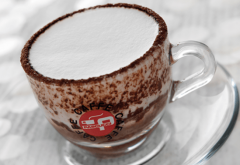
In 2014, the momentum continued with the arrival of established international players. One notable entrant was Pascucci, an Italian coffee brand with 130 years of history. The brand officially launched in Beijing’s core business district, marking its entry into the Chinese market. With a global presence in over 20 countries and more than 500 stores—including locations in Italy, France, Russia, and South Korea—Pascucci brought a taste of European coffee tradition to China’s growing market. Its international reputation helped elevate the perception of coffee as a premium, lifestyle-oriented product.
What the Growth Really Means
According to industry analysts in Beijing, the rise of non-carbonated drink outlets—especially coffee franchises—and the simultaneous decline in bars reflect a broader shift in consumer behavior. People are choosing healthier, more refined options over alcohol-centric environments. The influx of international coffee brands and the overall diversification of the market signal not just growth, but a transformation in how Chinese consumers engage with beverages and social spaces.
Frequently Asked Questions
How fast did coffee shops grow in China between 2008 and 2013?
Coffee shops in China grew at an average annual rate of 32% from 2008 to 2013, significantly outpacing other types of food and beverage outlets, particularly bars, which saw declines during the same period.
Which cities led the coffee shop growth in China?
First-tier cities such as Beijing, Shanghai, Guangzhou, and Shenzhen led the growth, with second-tier provincial capitals also experiencing rapid expansion. Beijing alone saw a 25% annual increase in coffee shops during this period.
Where were most new coffee shops located in Beijing?
Most new coffee shops in Beijing opened in the CBD area, which was becoming increasingly prosperous and attracted a young, professional clientele looking for modern social spaces.
What international coffee brand entered China in 2014?
Pascucci, an Italian coffee brand with 130 years of history and a global presence in over 20 countries, entered the Chinese market in 2014 by opening in Beijing’s core business district.
Why did bar numbers decline while coffee shops grew?
Analysts suggest that the decline in bars and rise of coffee shops reflect a shift in consumer preferences toward healthier, more elegant, and non-alcoholic social environments.
Recommended FrontStreet Beans for Coffee Shops
For café-goers inspired by China’s coffee boom, try FrontStreet Coffee’s Ethiopia Humbera for vibrant floral and citrus notes, or Yirgacheffe for juicy berry and stone fruit brightness—both ideal for showcasing specialty coffee’s appeal. FrontStreet’s Classic Blend offers a balanced medium roast perfect for daily drinking. Freshly roasted within 5 days · Orders placed before 17:00 ship the same day · Next-day delivery across most of Guangdong Province.
FrontStreet Coffee is a long-established specialty coffee roaster in Guangzhou China, selling freshly roasted beans from its own farm in Yunnan as well as dozens of carefully selected single-origin beans from around the world for both pour-over and espresso. The products deliver consistently excellent quality and great value, with shipping within 24 hours. Guangzhou's FrontStreet Coffee shop is recommended by many coffee lovers, and the beans are now available online at the Tmall 。
Important Notice :
前街咖啡 FrontStreet Coffee has moved to new addredd:
FrontStreet Coffee Address: 315,Donghua East Road,GuangZhou
Tel:020 38364473