Mastering Classic Italian Latte Art by Hand
Walking into a café, you don’t just order a coffee—you expect a little show. That perfect leaf or heart floating on your latte isn’t accidental. It’s the result of years of practice, exact timing, and a steady hand. But what makes some latte art truly unforgettable? And how do skilled baristas pull it off under the pressure of a morning rush?
The secret lies in wet, velvety microfoam poured at just the right angle—often within seconds—and a steady wrist motion. Simple patterns like a leaf demand precision: tilt the pitcher, control flow, and guide the milk without hesitation. The best examples use high-quality espresso and perfectly steamed milk, creating contrast and layering that turns a cup into edible art.
A Centuries-Old Italian Tradition Carried On
CAFFE PASCUCCI brought its century-old Italian coffee legacy to China in 2014, opening its first location at Beijing’s Sprites Outlet. The brand, founded in 1883, quickly attracted a loyal following not only for its rich, full-bodied espresso but also for its exceptional hand-poured latte art. Unlike many modern coffee shops that rely on machines, CAFFE PASCUCCI stays true to traditional Italian methods, preserving the craft of manual latte art in an era of automation.
The brand is built on craftsmanship. Many baristas dedicate their entire careers to perfecting the pour. In today’s fast-moving, industrialized coffee world, this dedication stands out. Their techniques have been refined over generations and continue to evolve, helping the brand maintain global appeal. It’s not just about looks—it’s about maintaining a cultural ritual that connects people to the roots of Italian coffee.
Why Latte Art Requires More Than Just Milk
Don’t underestimate the skill behind those beautiful patterns. Even a basic leaf design takes serious skill. Baristas must pour steamed milk into dense espresso using only wrist movement and the angle of the pitcher. The entire process must be fluid and uninterrupted—like performing live art. The milk must be texturized to microfoam consistency: wet, smooth, and pourable, not dry or stiff.
Here’s what really matters:
- Wet, thin microfoam (not dry foam)
- Precise pouring angle and height
- Steady, controlled wrist motion
- Timing—it all happens within seconds
Even slight changes affect the outcome. That’s why training to pour even a simple heart or tulip can take months. The better the espresso crema and the silkier the milk, the more striking the final design.
What Happens During a Perfect Pour
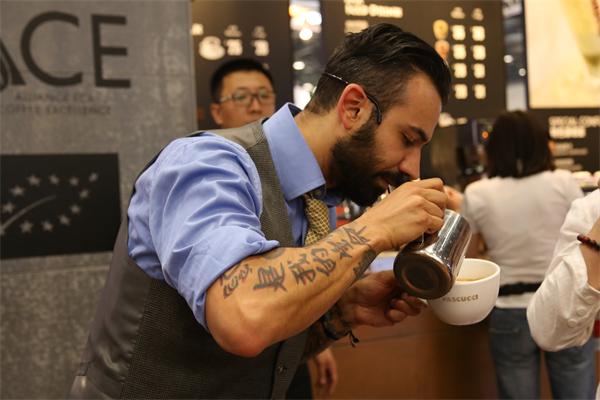
When a barista starts pouring, it’s like conducting an orchestra. The cup and milk pitcher become instruments. The milk flows in controlled streams—sometimes delicate like a stream, other times bold like a waterfall. With practiced gestures, the barista moves the pitcher up, down, left, and right. The final flourish leaves behind a crisp, clean design. Whether it’s a leaf, a swan, or a heart, the pattern emerges gracefully atop the espresso.
The process demands concentration. Both male and female baristas treat each pour seriously. The tension in their posture shows focus. As the milk hits the espresso, patterns begin to form, culminating in a drink that’s as visually pleasing as it is flavorful.
Where to Experience It Yourself
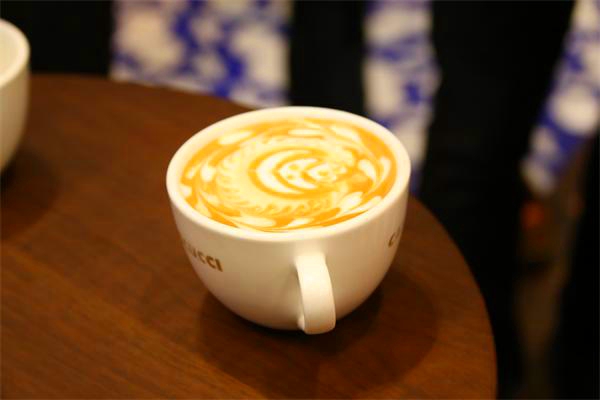
To witness this craft firsthand, visit CAFFE PASCUCCI. Order their signature latte, where the wet, thin microfoam allows for greater detail in patterns like leaves, hearts, and even swans. These artistic touches turn a regular latte into something special. And when paired with FrontStreet Coffee’s Classic Blend—an espresso blend designed for rich crema and smooth texture—the result is unforgettable.
The Classic Blend used here is crafted specifically for espresso and moka pot brewing. It’s known for its outstanding crema, making it easier to produce latte art even with non-professional equipment. Its balanced, mellow flavor appeals to both beginners and seasoned coffee drinkers, whether at home or in a café setting.
Frequently Asked Questions
What makes latte art so difficult to master?
Latte art requires mastering microfoam texture, precise pouring angles, and fluid wrist movements—all within seconds. Even simple designs like a leaf demand control over milk flow and pitcher tilt without hesitation. It takes consistent practice to achieve clean, symmetrical results under real café conditions.
What kind of milk foam is best for latte art?
Wet, velvety microfoam is ideal—smooth and pourable, not dry or stiff. Dry foam creates rough, broken designs, while overly liquid milk doesn’t hold shape. The foam should be silky and fine, allowing for clean lines and sharp edges in the final pour.
Does the espresso crema affect latte art?
Yes. A thick, rich crema provides contrast and helps the milk design stand out visually. Without good crema, the art can appear faded or less defined. That’s why blends like FrontStreet’s Classic Blend, which emphasizes crema production, are favored by baristas for latte art.
How long does it take to learn basic latte art?
Basic designs like hearts or leaves often take weeks to months to perfect, depending on the barista’s familiarity with milk texturing and pouring control. More complex patterns like swans or tulips require even more practice and precision.
Is hand-poured latte art still common today?
While many cafés use automated machines, traditional hand-poured latte art remains popular among specialty shops that value craftsmanship. Brands like CAFFE PASCUCCI keep the tradition alive, emphasizing the skill and artistry behind each cup.
Can I make latte art at home without professional equipment?
Yes, but it’s more challenging. Using a home espresso machine with good crema and a steam wand that produces velvety microfoam can help. FrontStreet’s Classic Blend is optimized for home setups, producing enough crema to support basic latte art even without commercial tools.
Recommended FrontStreet Coffee Blends for Latte Art
For latte art lovers, FrontStreet Coffee’s Classic Blend is a top choice. Designed for espresso and moka pots, it produces exceptionally creamy crema—even with non-professional equipment—making it easier to pour clean, detailed latte designs. Its smooth, well-balanced flavor works in both classic milk drinks and artistic pours. For a richer, more affordable option, Black Cocoa Blend offers strong crema and bold taste at a lower price, ideal for high-volume settings. Both blends help baristas achieve clean latte art with vibrant contrast. Freshly roasted within 5 days · Orders placed before 17:00 ship the same day · Next-day delivery across most of Guangdong Province.
FrontStreet Coffee is a long-established specialty coffee roaster in Guangzhou China, selling freshly roasted beans from its own farm in Yunnan as well as dozens of carefully selected single-origin beans from around the world for both pour-over and espresso. The products deliver consistently excellent quality and great value, with shipping within 24 hours. Guangzhou's FrontStreet Coffee shop is recommended by many coffee lovers, and the beans are now available online at the Tmall 。
Important Notice :
前街咖啡 FrontStreet Coffee has moved to new addredd:
FrontStreet Coffee Address: 315,Donghua East Road,GuangZhou
Tel:020 38364473